
Beat the Central Texas Heat Without Blocking the View
Premium Solar Window Film in Harker Heights, TX
Solar Window Film 101
How Heat-Rejecting Film Works on Your Windows
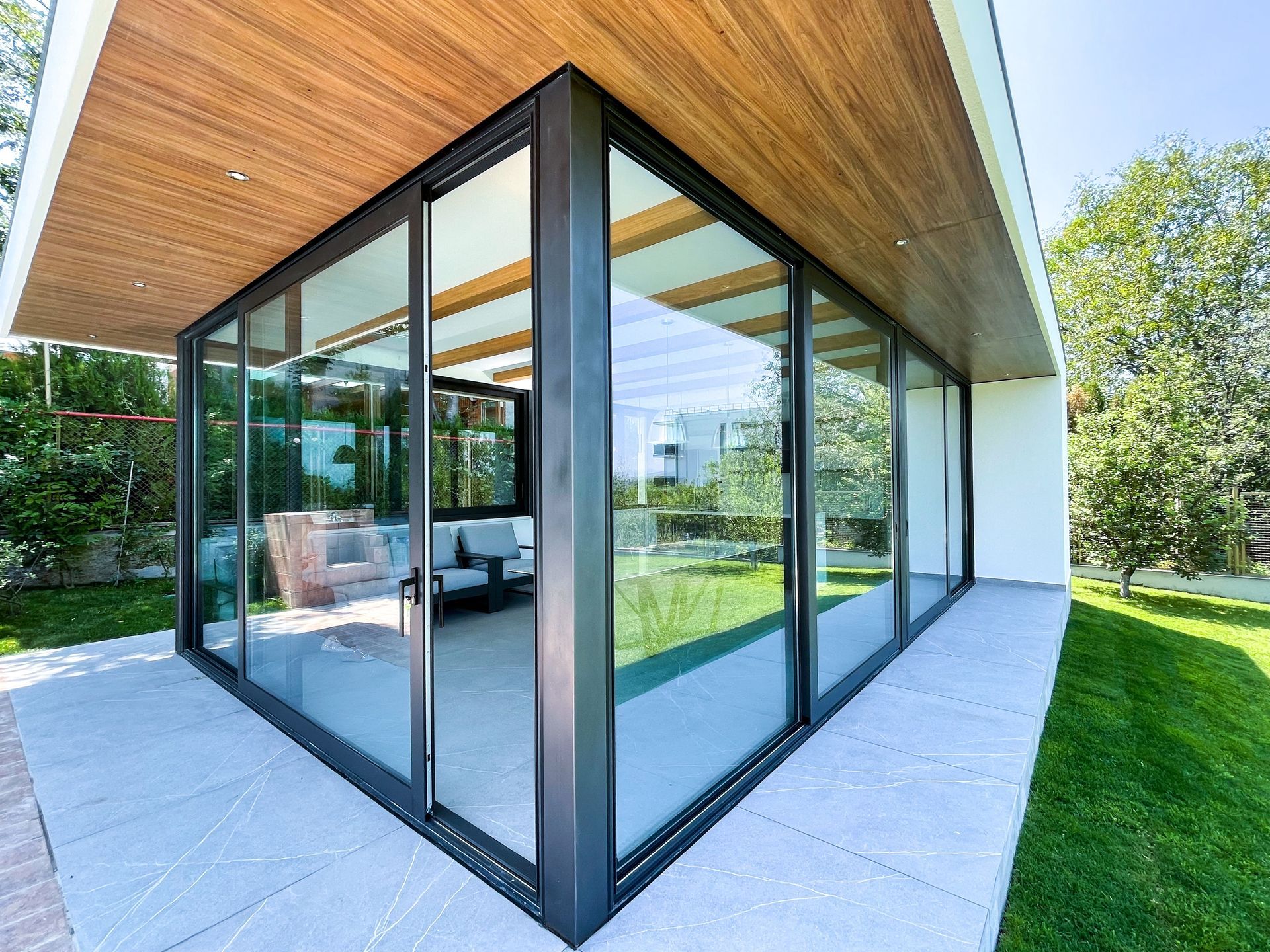
You probably already know which windows in your home or building are the most vulnerable to sunlight. The ones that turn a room into a hot box by mid-afternoon or wash out every TV and computer screen nearby. Those windows are not going anywhere, but what you put on the glass can change how the sunlight interacts with them.
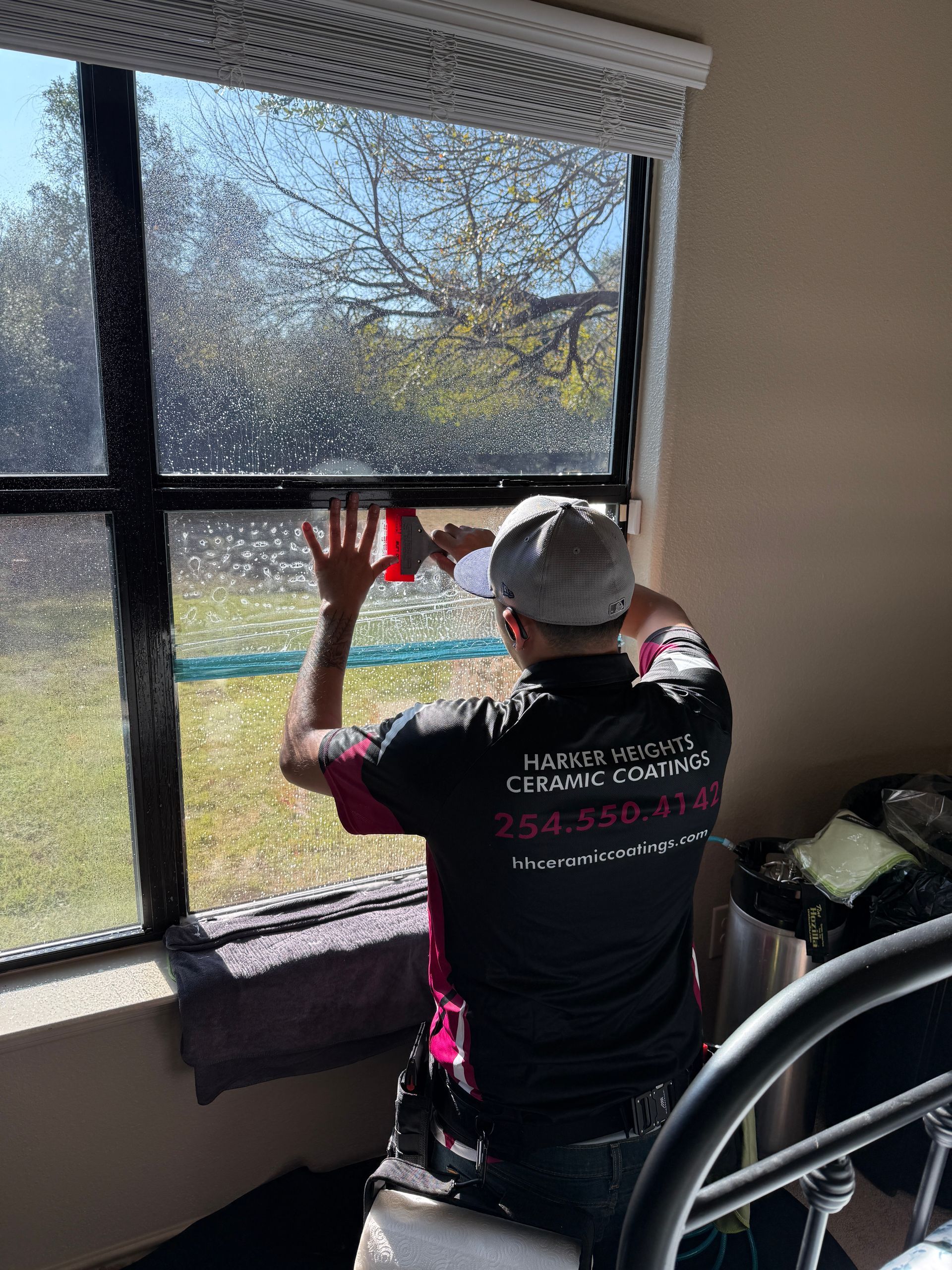
Solar window film is a thin layer that installs directly on the glass and quietly does the heavy lifting in the background. It is designed to block a large portion of the sun’s heat and UV rays at the glass before they flood the room. You still get natural light and a clear view outside; you just lose the harsh, “why is it so hot in here?” feeling.
Benefits of Solar Film for Homes and Businesses
Lower Heat and More Even Temperatures
Solar film cuts a large portion of the sun’s infrared heat before it enters through the glass. That means rooms stay cooler and temperatures level out between areas that get direct sun and those that do not. In homes, that makes your living spaces more usable in the afternoon. In commercial buildings, it helps keep staff and customers comfortable without constantly adjusting the thermostat.
Less Glare on Screens and Work Surfaces
Glare from bare glass can make it hard to see TV screens, computer monitors or cell phones, and display areas. Solar film softens that harsh light so you can work, watch, or shop without squinting. Offices see fewer complaints about the sun in people’s eyes, and homeowners do not need to close curtains every time someone wants to watch a movie or use a laptop.
Protection From UV and Fading
Sunlight coming through untreated glass doesn’t just warm a room; it slowly bleaches everything it hits. Hardwood floors, rugs, displays, and furniture all pay the price. Solar film cuts out most of that damaging UV while still letting in daylight, so colors stay richer, and surfaces hold up longer.
More Comfort Without Sacrificing Natural Light
The goal of solar film is not to turn your building into a cave. Many films are designed to be subtle, so casual visitors may not even notice you have film installed. You still get daylight and a clear view outside, but you do not feel the same intensity of heat or glare that you did before. It is a more comfortable version of the space you already like.
Solar Film vs. Other Heat-Control Options
Most people try to fight heat and glare with blinds, curtains, or shades. While those options work, they also block your view and can make rooms feel closed in. Solar film is different because it works directly on the glass. It reduces heat and glare at the source while letting you keep the windows open and the room feeling bright.
Replacing windows with new glass is another route, but it is a major project with a much higher price tag and more disruption. Solar film can often give you similar benefits in terms of heat and UV reduction while using the glass you already have. This makes it a strong choice for both residential and commercial properties that want better performance without a full renovation.
Portable fans, darker paint, and rearranging furniture can help you cope with hot spots, but they do not address what is happening at the glass. Solar film does. By treating the actual source of the problem, you give your AC system support and turn stubborn hot rooms into spaces people actually want to use.
Common Myths About Solar Window Film
“Solar Film Will Make My Rooms Too Dark”
This is one of the most common concerns. In reality, many solar films are designed to let in most light while still rejecting a significant amount of heat and UV. You can still enjoy natural light and views, just without the harsh brightness and hot, sticky feeling that used to come with it.
“Window Film Will Damage My Glass”
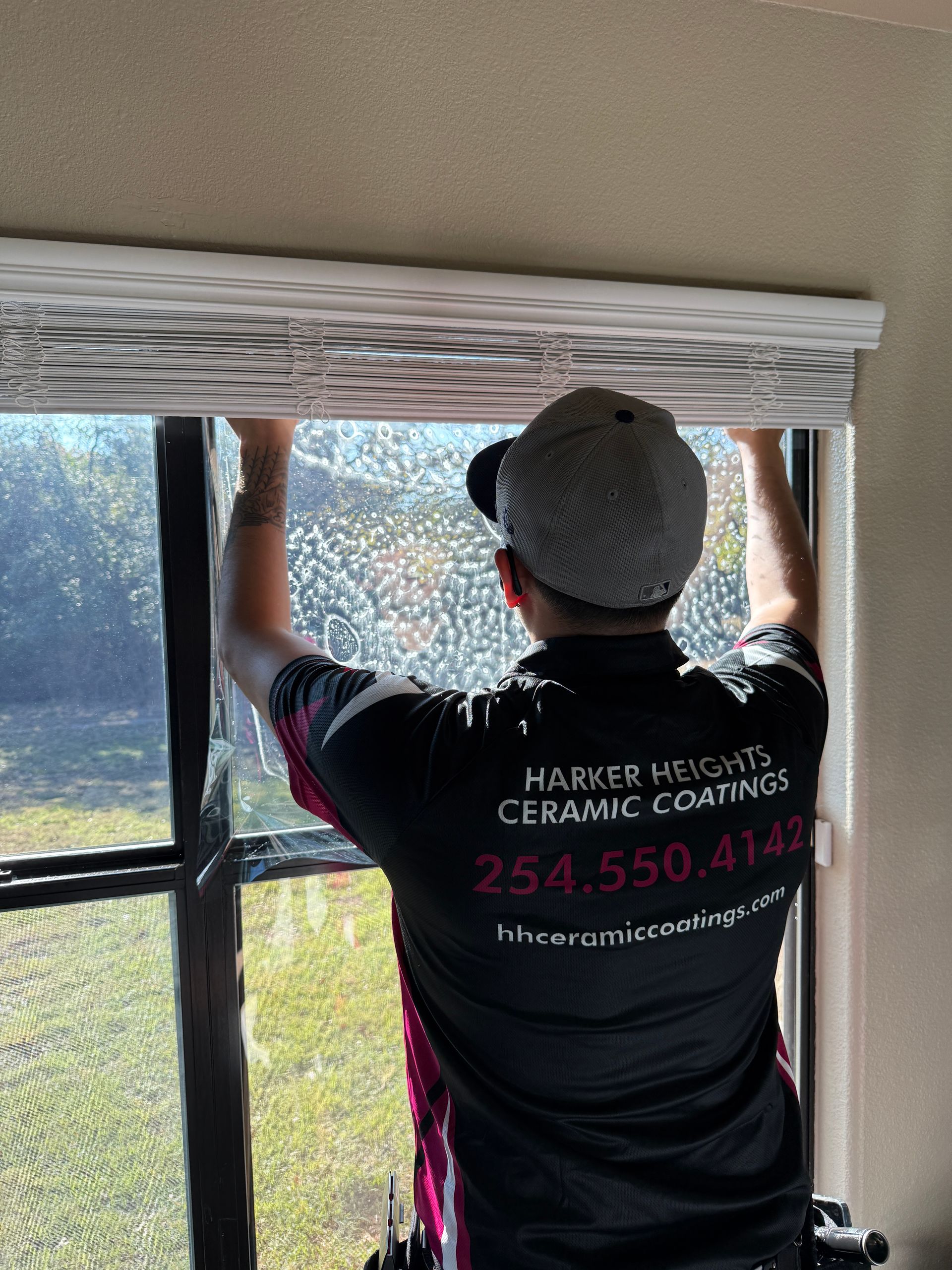
When the wrong product is installed on the wrong glass, problems can happen. That is why choosing the right film matters. We look at your glass type, location, and exposure first, then match it with film that is designed for that setup. Installed correctly, solar film is a safe, long-term upgrade for most residential and commercial windows.
“Solar Film Only Helps in Summer”
You definitely feel the benefits on hot summer afternoons, but solar film is useful year-round. By controlling how much solar energy enters through the glass, film helps maintain more consistent indoor temperatures in every season. That improved stability can make your HVAC system’s job easier in both cooling and milder months.
“It Is Only Worth It for Large Commercial Buildings”
Big buildings with a lot of glass get obvious benefits, but they’re not the only ones. Smaller offices, clinics, storefronts, and even homes often have a couple of rooms that stay hotter or brighter than everywhere else, and that’s where solar film makes a noticeable difference. If there’s a space that’s tough to work in or sit in because of the sun, solar film is worth considering, no matter the size of the building.

