Window Tint Percentages, Explained Plainly: What Each One Looks Like and Does
If you have ever stood in a shop and been asked, "What percentage do you want?" and felt lost, you are not alone. Most people coming in for tint have no idea what the numbers mean or what they will look like on the car. The terminology sounds technical, but it really is not. Let us walk through window tint percentages explained the way we would in person, with examples that actually make sense.
By the end of this article, you will know what the numbers mean, what each one looks like on the road, and how to think about picking the right percentage for your car in Central Texas.
What the Percentage Number Actually Means
The percentage on tint film refers to Visible Light Transmission, or VLT. It is the amount of visible light that passes through the film and into the car.
Here is the key thing most articles get wrong: a higher percentage means a lighter tint, not a darker one. A 70 percent film lets 70 percent of the light through. A 5 percent film lets only 5 percent through, which is very dark. That backwards-feeling math trips people up at first.
When you stack film on factory glass, you also have to think about the glass itself. Most car windows already have some tint from the factory, particularly on the back glass. Adding film changes how much light gets through the combination.
What Each Percentage Looks Like in Real Life
Here is the practical view, with what each looks like from outside and feels like from inside:
- 70 percent. Barely visible from outside. Looks almost factory. Inside, the car feels close to normal but with better UV blocking. Common pick for windshield strip or full windshield install.
- 50 percent. Light tint with a subtle shade. Still see-through from outside in most lighting. Cuts glare meaningfully. A nice middle ground.
- 35 percent. Where things start to look like real tint. From outside, you can still make out faces. From inside, visibility is good even at night.
- 20 percent. Noticeably dark. From the outside, it looks intentional. Daytime is easy. Night driving requires more attention to mirrors.
- 5 percent. Often called limo tint. Hard to see through from the outside. Daytime is fine in good light. At night, you will want to know your car well.
There is no universally right answer. The right number depends on what you want the car to do and where you drive.
What the Percentage Does for Heat
Here is where people get confused. The VLT percentage tells you about visible light, but it does not directly tell you about heat. Two films with the same darkness can perform very differently on heat rejection.
What actually rejects heat is the type of film. A ceramic film at 35 percent will keep your car cooler than a basic dyed film at the same 35 percent. Ceramic films have particles that block infrared radiation, which is what you feel as heat.
At our shop, we install three Autobahn film options. The non-ceramic black film blocks 99 percent of UV and rejects 43 percent of the heat. The black ceramic rejects 60 percent. The Ceramic i3 rejects 93 percent. The light percentage is separate from heat performance.
For more on the film options we install, see our window tint page.
How Texas Law Fits Into the Choice
Texas has rules about how dark the front side windows can be. Those rules are different from the back. Legal advice is not something we offer, but here is what to know practically: when you install with us, we make sure the front side window film matches what the law allows.
The back windows of most vehicles have more flexibility. Many drivers go darker on the back for privacy while keeping the front sides legal.
How to Pick Your Percentage
This is the part most people skip. They pick a number because someone told them to, then live with it for years. Questions that help you land on the right pick:
- What do you use the car for? A daily driver in heavy traffic has different needs than a weekend cruiser.
- Do you drive a lot at night? A darker tint reduces visibility after dark, so be honest with yourself.
- Does the car carry kids? Some parents want darker back windows for nap-time privacy and UV protection.
- What is the look you are going for? A subtle look on a luxury sedan is different from an aggressive look on a truck.
- What is on your car now? Coming off a previous tint job that was too dark or too light tells you a lot.
We talk through these things with every customer who comes in. You walk out with a setup that fits how you use the car.
The Other Numbers That Matter
VLT is one number, but it is not the only one to ask about. When comparing film options, also ask about:
- UV rejection. All three of our Autobahn options block 99 percent of UV. That matters for your skin and your interior.
- Heat rejection. Discussed above. This is where upgrading from non-ceramic to ceramic makes a real difference.
- Glare reduction. Important if you drive into sunsets or low morning light often.
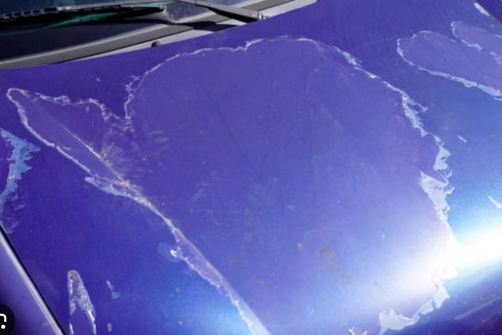
- Color stability. Lower-grade films can turn purple over time. Quality films stay neutral.
- Warranty. Our installs come with a lifetime warranty plus a no-fault warranty for accidental damage.
Talk Through Your Options With Us
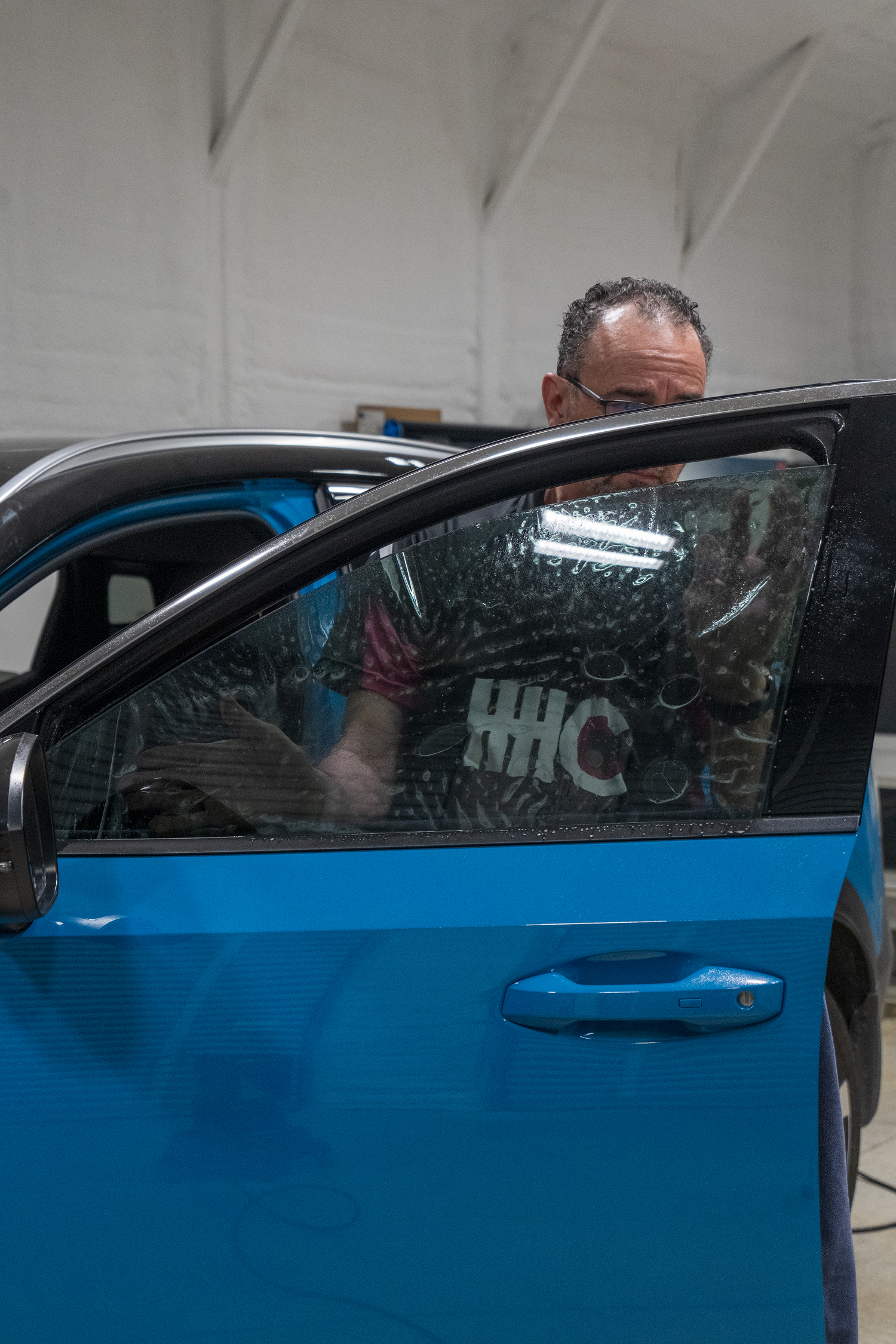
The best way to pick a percentage is to see a sample film on actual glass in person. Pictures on a screen do not show the real-world look. Come by the shop, look at the options on a similar vehicle, and we will help you land on a setup that works.
Reach us through the contact page, check the Killeen auto window tinting page, or visit Harker Heights Ceramic Coating.
Frequently Asked Questions
Does a darker tint always mean better heat protection?
No, and this is the most common misunderstanding we hear. Darkness and heat rejection are separate. A ceramic film at a lighter percentage can outperform a basic dyed film at a much darker percentage. If heat is what you care about, ask about the film type, not just the darkness.
Can I tint just my windshield or just my back windows?
Yes. Many customers do partial installs based on what they need. A windshield strip or a full ceramic windshield is popular for sun protection. Back-only is common when someone wants privacy without changing the front look.
Will tint affect how I see at night?
Darker films reduce visibility after dark, particularly through side mirrors. If you drive a lot at night, stay lighter on the front sides. Back windows matter less since you mostly use mirrors.
How long does the tint last?
Quality film with proper installation holds up for years. Our installs are backed by a lifetime warranty plus a no-fault warranty for accidental damage. Lower-grade films may bubble, peel, or turn purple, which is why film choice matters as much as percentage.