How PPF Contributes to Uniform Gloss and Enhanced Protection Across Vehicle Panels
Keeping a vehicle looking its best takes more than regular washing. For owners of high-value cars, whether a precision-engineered sports car, a luxury daily driver, or a prized collector vehicle, the threat of road debris, UV exposure, and everyday wear is constant. Paint protection film, commonly known as PPF, addresses these threats directly by acting as an invisible barrier that preserves both the finish and the integrity of your vehicle's paint for years to come.
PPF helps create a more uniform gloss by functioning as a consistent protective layer across every panel, evening out the variations in shine that accumulate from wear, UV exposure, and minor abrasions over time. By covering high-impact surfaces with a film of matched finish, whether matte or glossy, it prevents the kind of uneven fading and panel-to-panel differences that become increasingly visible as an unprotected vehicle ages.
What Is Paint Protection Film?
Paint protection film is a clear, durable layer of urethane that bonds to a vehicle's painted surfaces. It acts as a transparent shield against the most common sources of paint damage: rock chips from highway driving, fine scratches from brushes or automatic car washes, bug splatter, bird droppings, tree sap, and the slow, relentless damage caused by ultraviolet rays. For vehicles like Corvettes, high-end imports, Teslas, and other performance or luxury cars where paint quality and finish integrity are especially important, PPF is one of the most effective long-term investments an owner can make.
The origins of PPF are rooted in military technology. The film was originally developed to protect helicopter rotor blades from debris damage during flight, leveraging urethane's elasticity and durability in demanding conditions. Over time, advances in materials science made it practical for automotive use, and today's films are engineered for both protection and aesthetics.
Modern PPF is a multilayer system, not simply a plastic wrap. The adhesive layer bonds the film securely to the paint without damaging it or leaving residue upon removal. Beneath that sits a urethane core formulated to absorb impacts, taking the force of road debris so the underlying paint does not have to. A clear coat layer on top resists staining from environmental contaminants and makes routine cleaning more straightforward. Many premium films also include self-healing properties: minor surface scratches disappear when the film is exposed to heat from sunlight or warm water, keeping the surface smooth and glossy without manual correction.
Understanding how these layers work together helps explain why proper installation is essential. Applying PPF is not a matter of placing a sticker on a panel. It requires thorough preparation, precise cutting, and controlled application to ensure the film lays flat across every contour without bubbles, wrinkles, or lifted edges.
Surface Preparation: The Foundation of a Flawless Finish
No matter how advanced the film itself may be, its performance depends entirely on the condition of the surface beneath it. Proper surface preparation is what separates a lasting, visually seamless result from one that disappoints. The process begins with a thorough wash using pH-neutral soap. Harsh cleaners can strip protective coatings from the paint's clear coat, which compromises adhesion later. The goal at this stage is to remove every trace of dust, dirt, and road grime before the film makes contact with the surface. Any particles trapped beneath the film will create small bumps or streaks that affect both appearance and long-term adhesion.
After washing, decontamination addresses impurities that soap and water alone cannot remove. Tree sap residue, brake dust, and industrial fallout embed themselves in the clear coat and cling stubbornly even after a thorough wash. A clay bar treatment addresses this by gently lifting these contaminants away, leaving a glass-smooth surface that bonds reliably with the film's adhesive layer. This step demands patience and a light touch, as too much pressure can introduce fine scratches that will be preserved beneath the film.
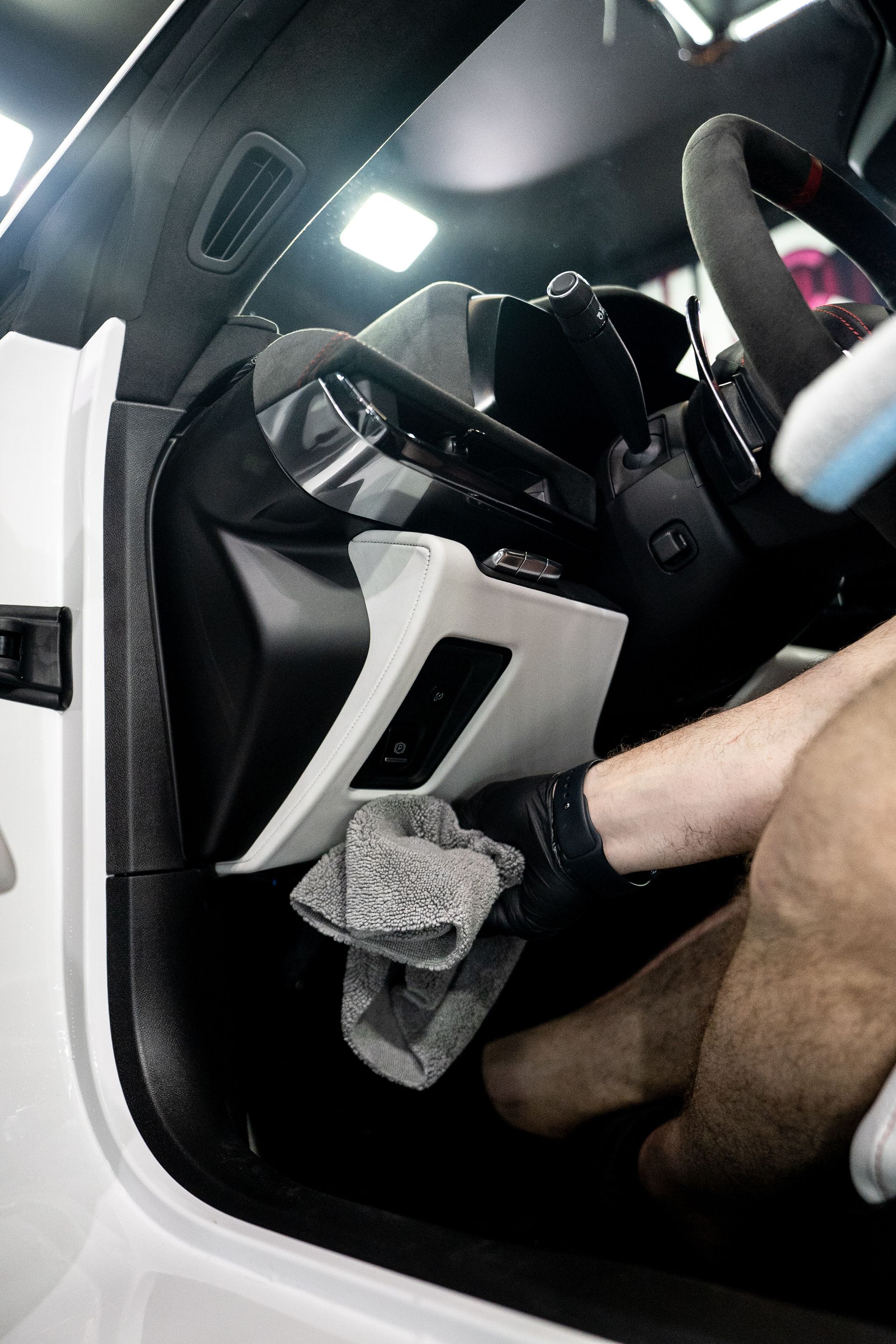
With the surface clean and decontaminated, a careful inspection follows. Any existing scratches, swirl marks, or paint haze must be addressed before installation begins. Once PPF is applied, it acts as a transparent sealant, locking in whatever lies beneath it. Polishing those imperfections out at this stage ensures the finished result reflects light evenly and projects the uniform gloss that makes a protected vehicle stand out. Skipping this step is one of the most common reasons vehicle owners are disappointed with their results, regardless of the film quality used.
Layering for Consistency and Protection
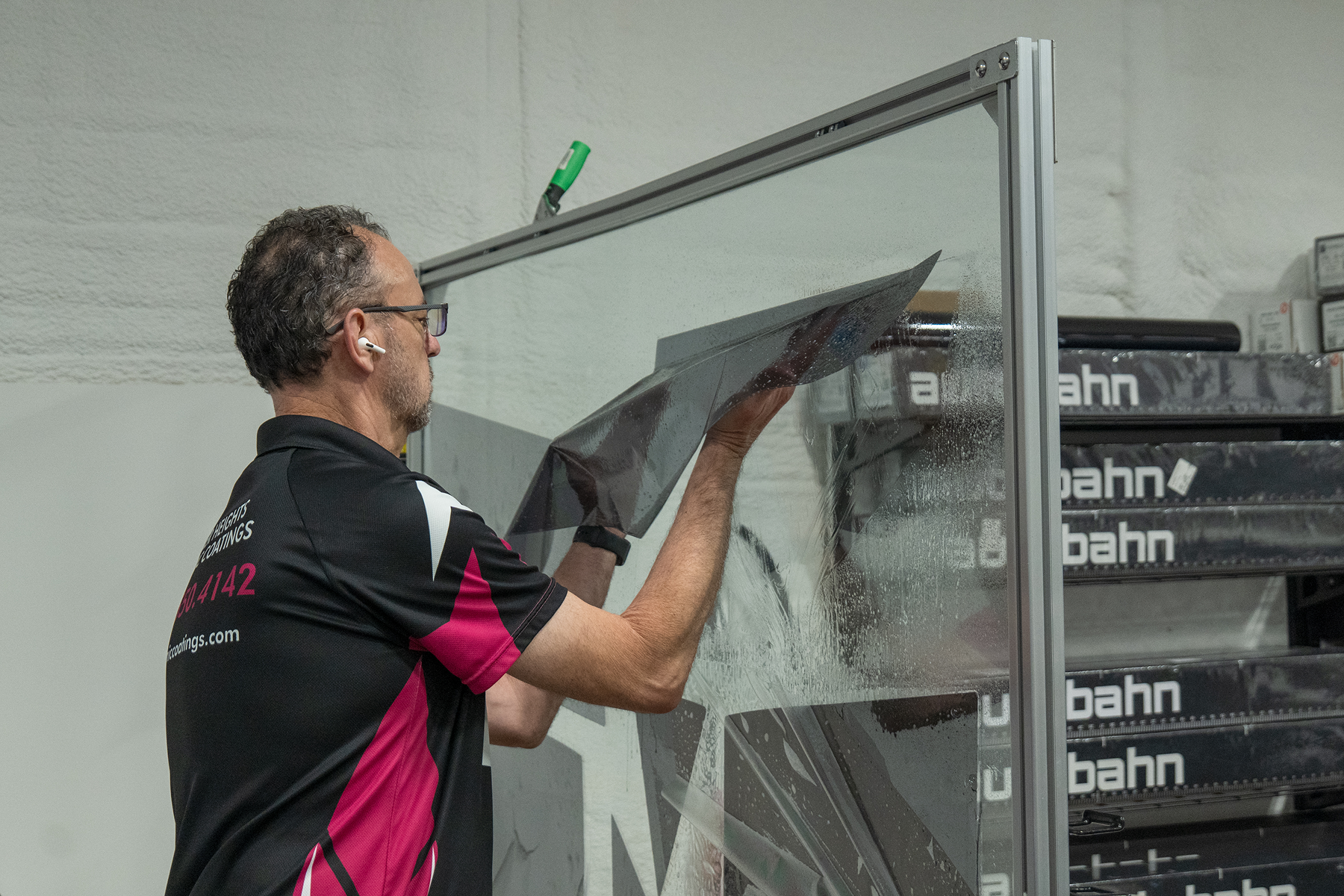
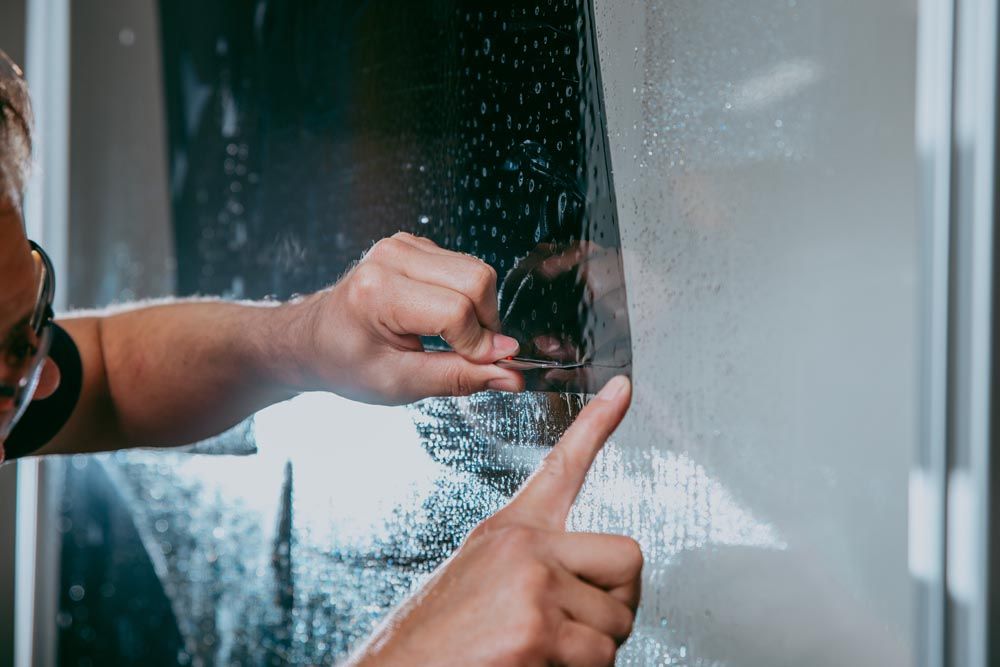
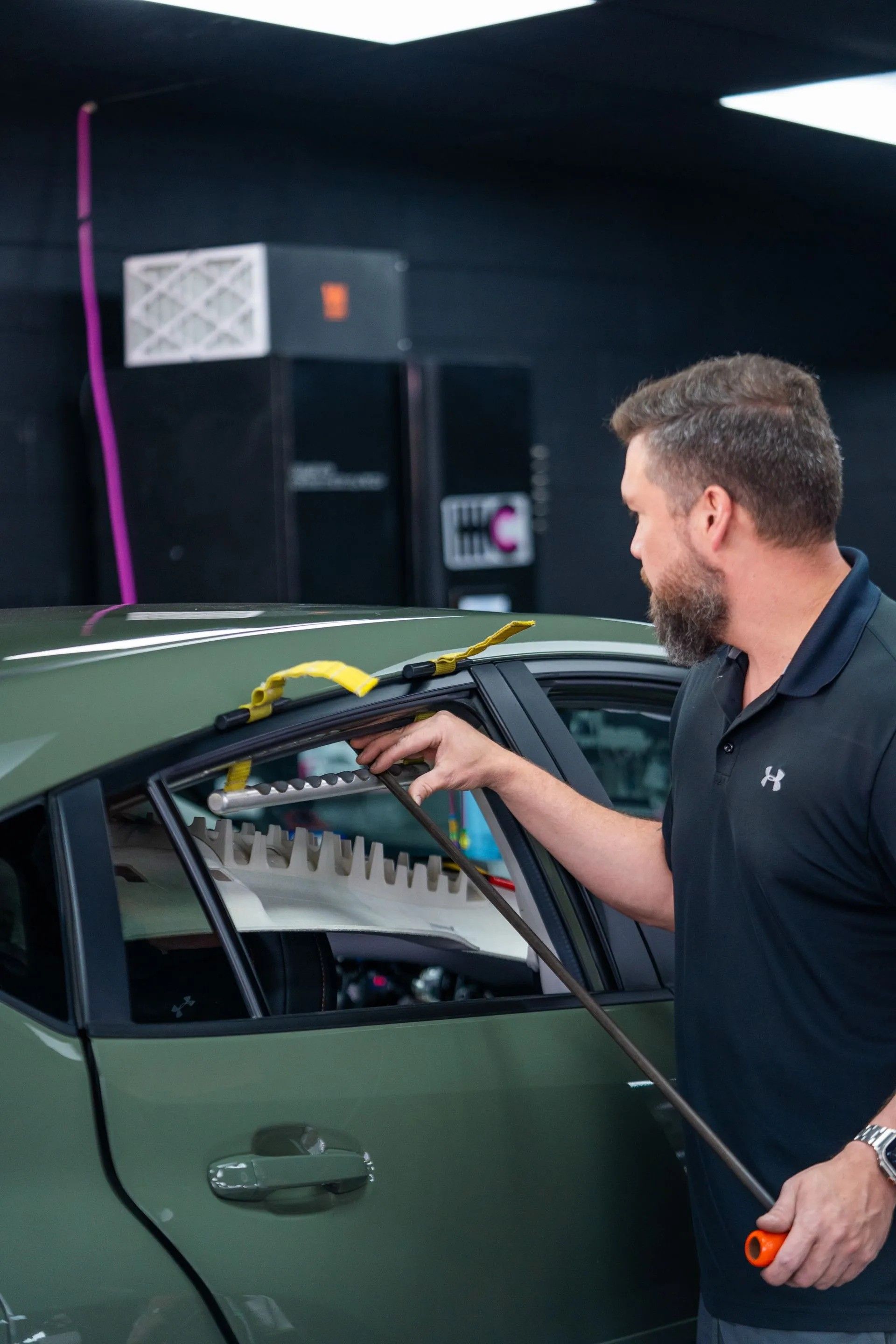
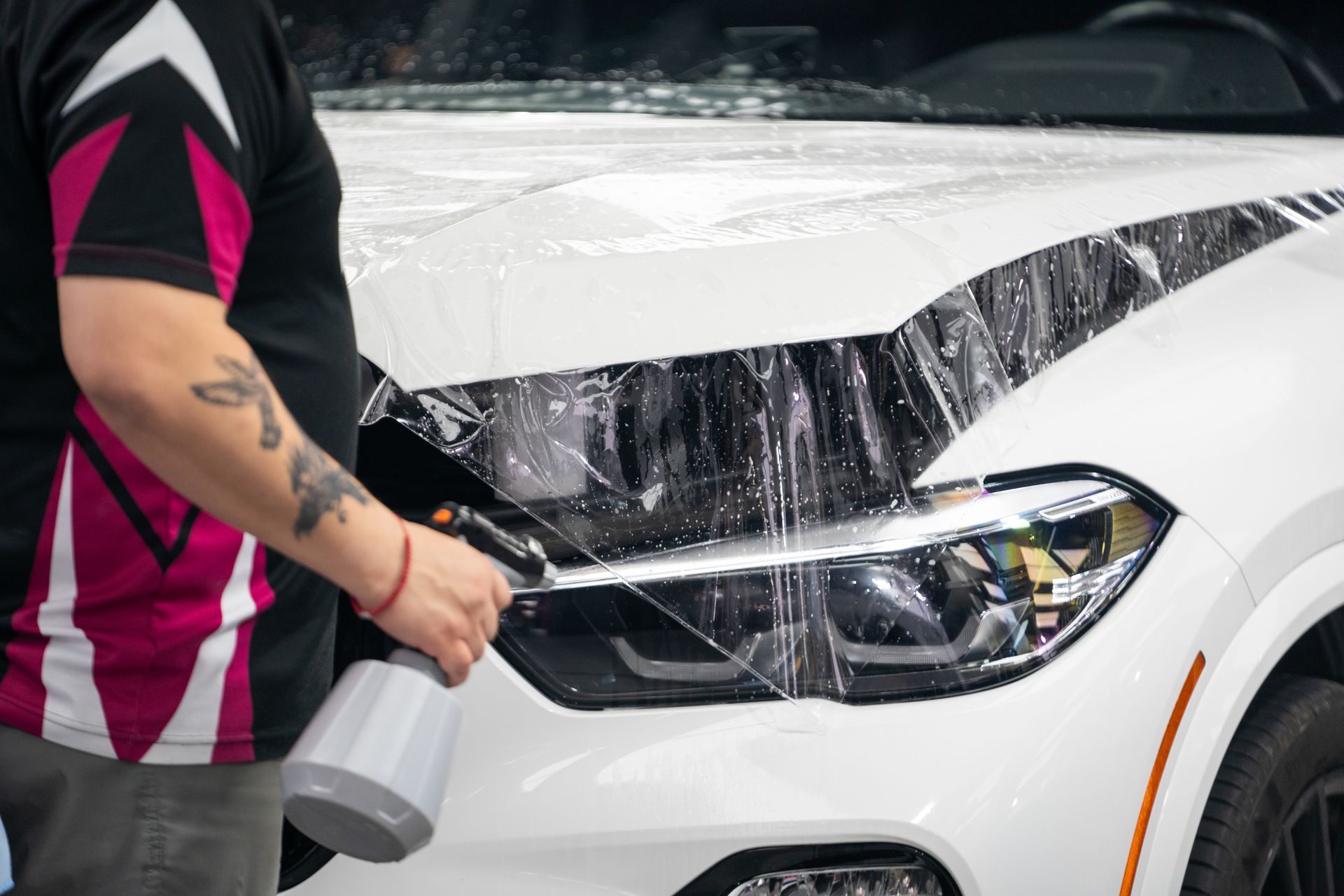
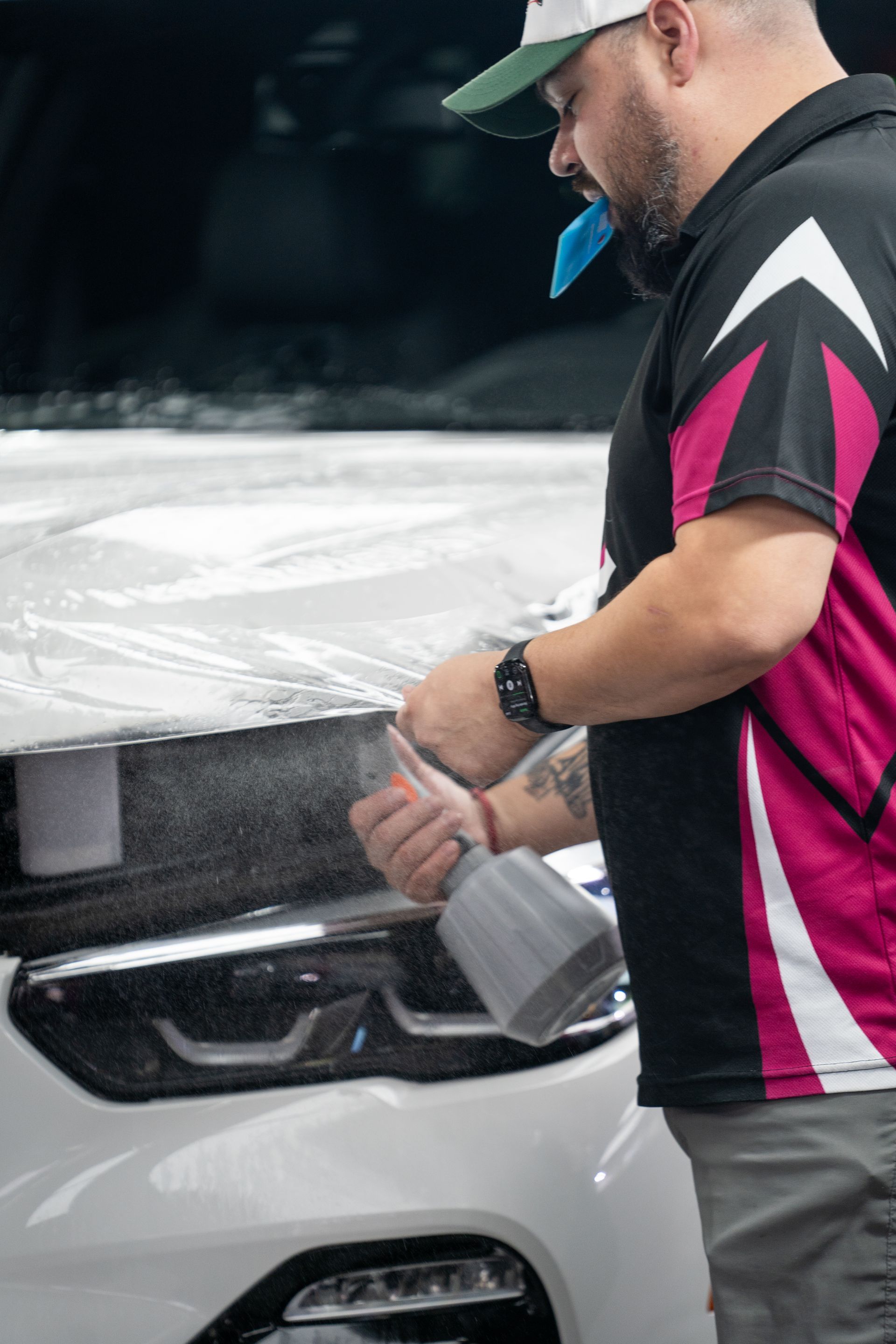
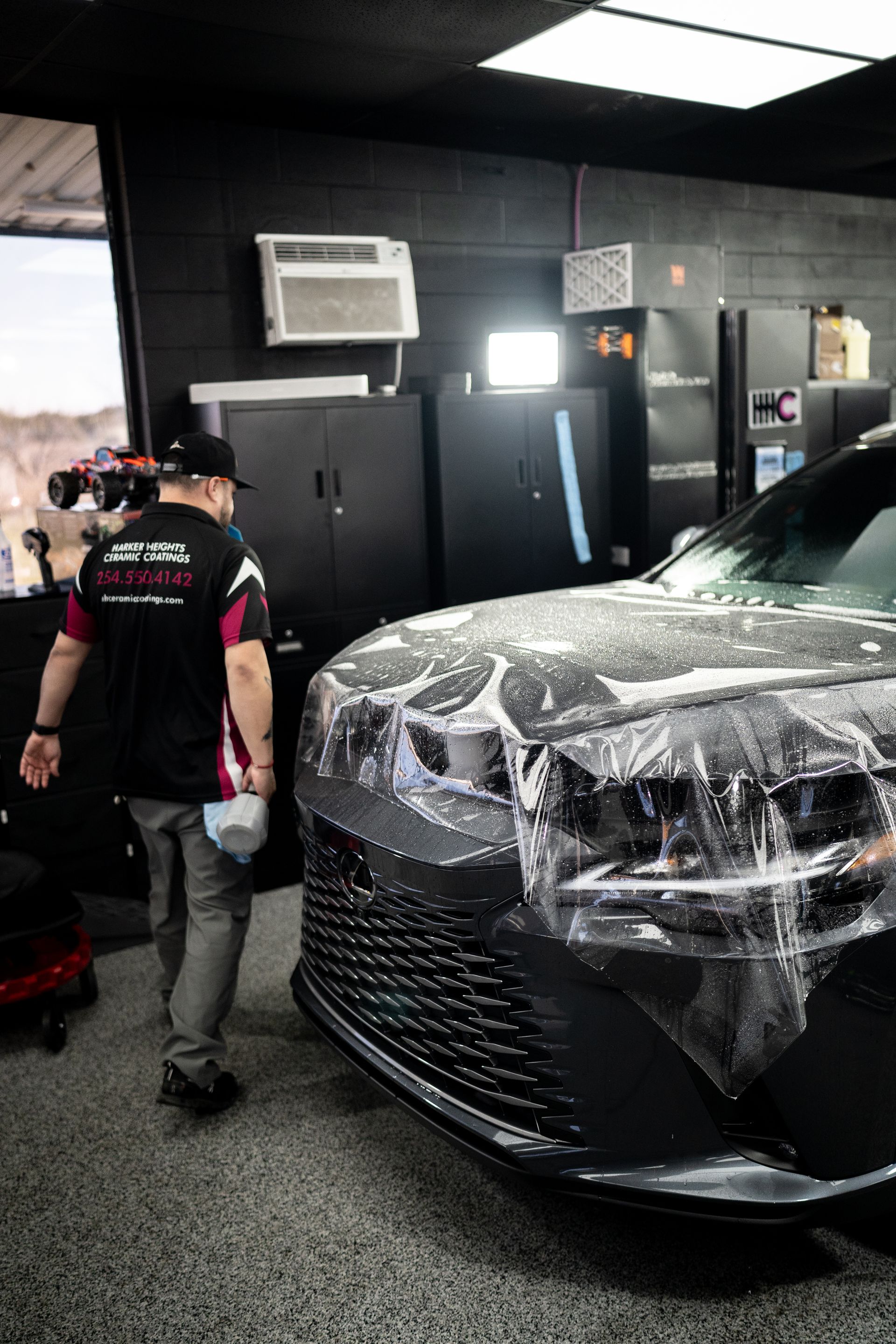
Achieving uniform gloss across every panel is not just a function of the film's materials. It is equally dependent on how carefully and methodically the film is applied. Professional installers use a wet application method to maintain control during this process. A light solution of water with a small amount of a specialized slip solution is applied to both the adhesive side of the film and the vehicle's surface, preventing instant bonding. This gives the installer the ability to reposition large sections of film with precision, aligning every edge before the film sets.
Once aligned, trapped air and moisture beneath the film must be carefully worked out. Soft squeegees with felt edges are used to press from the center outward, guiding any bubbles toward the panel edges. This process is slow and deliberate, because any residual bubbles or pockets of moisture will compromise adhesion over time and scatter light differently than the surrounding film, producing a noticeable inconsistency in gloss.
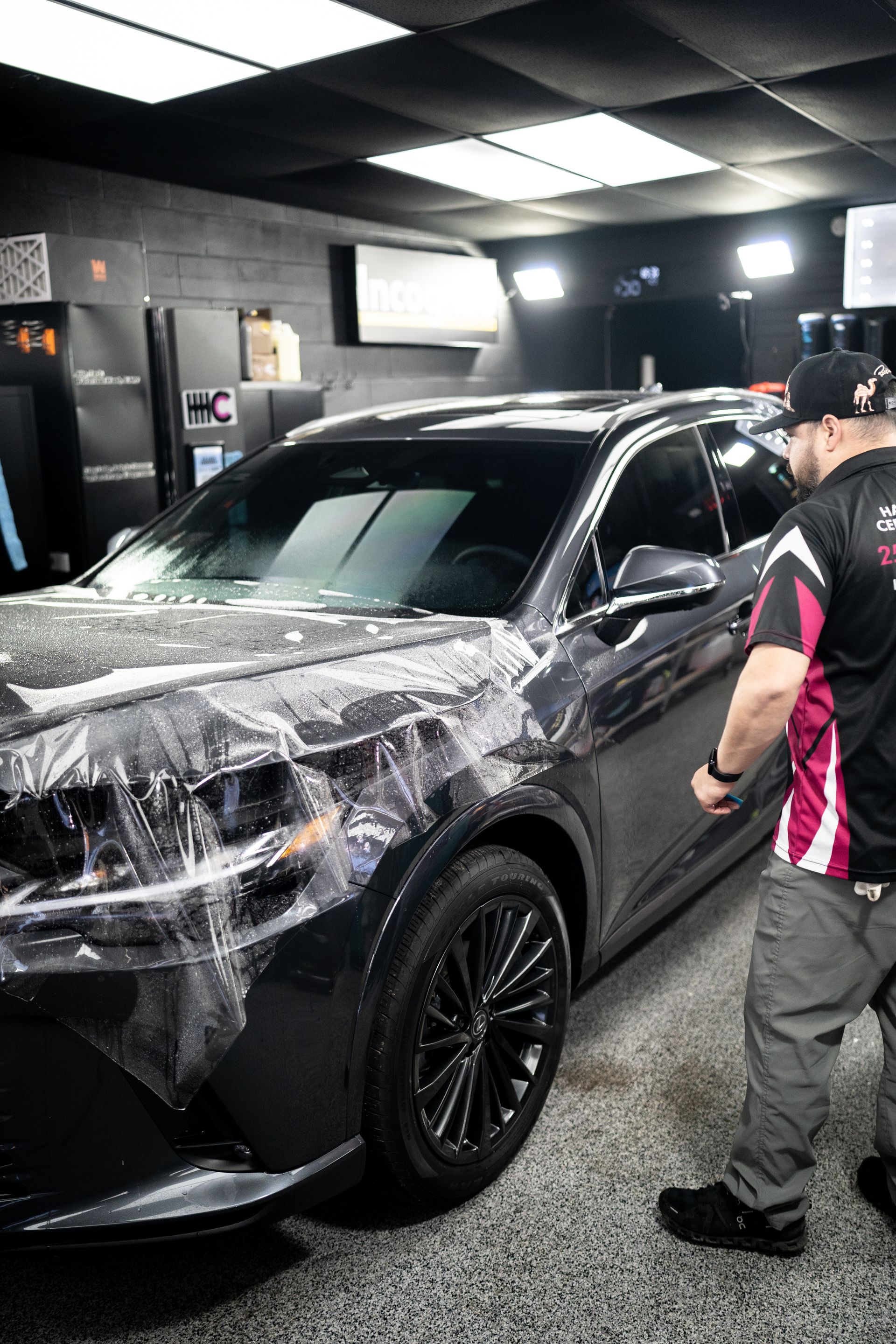
The film must also be conformed to the vehicle's three-dimensional surfaces. Flat panels are straightforward, but bumpers, fenders, mirrors, and door edges require a different approach. Controlled heat application softens the film and increases its pliability, allowing it to wrap around curves and contours without creasing or developing tension points that could cause lifting or peeling later on. The result, when done correctly, is a surface where light plays evenly across every shape and angle of the vehicle. Proper trimming along panel edges completes the process, ensuring clean coverage without gaps or overlaps that could allow moisture infiltration or create visual inconsistencies at the seams.
How PPF Maintains Uniform Gloss Over Time
One of the less obvious but genuinely impressive qualities of modern PPF is its ability to maintain consistent gloss not just at the time of installation but across years of exposure. Two features of the film contribute most directly to this: self-healing properties and UV resistance.
The self-healing capability works by allowing the polymer chains within the film's topcoat to reflow when exposed to heat. When minor swirl marks or light surface abrasions occur, warmth from the sun or a warm rinse causes these tiny imperfections to effectively disappear without any polishing or manual intervention. This keeps individual panels from developing the kind of uneven micro-scratch accumulation that dulls gloss and creates visual inconsistencies from one panel to the next.
UV inhibitors built into quality PPF formulations prevent the film itself from yellowing or becoming hazy over time, while simultaneously shielding the underlying paint from the oxidation and color fading that ultraviolet exposure causes. This protection is especially important for vehicles that see significant sunlight exposure, where unprotected panels on one side of the car may fade noticeably faster than those on the other. PPF levels the playing field out, ensuring a consistent appearance across every surface regardless of exposure conditions.
For owners of vehicles with custom finishes, multi-tone paint jobs, or factory colors with deep metallic character, this consistency matters considerably. Any irregularity in gloss or color depth between panels becomes obvious under direct light, and PPF's ability to age uniformly is a meaningful advantage over leaving the paint unprotected.
Protection Beyond Appearance
The visual benefits of PPF are substantial, but its protective role is equally important for owners who want to preserve both their vehicle's condition and its long-term value. The film's urethane core is engineered to absorb physical impacts from road debris, gravel, and loose material that would otherwise pit or chip the underlying paint. Without this layer, even routine highway driving exposes a vehicle's front surfaces to a consistent stream of small impacts, each capable of breaking through the clear coat and creating a site for moisture infiltration and eventual corrosion.
Chemical threats are addressed just as effectively. Bird droppings, tree sap, and acid rain are highly corrosive to automotive paint. These substances struggle to bond with or penetrate the film's surface, and regular washing removes them before they can cause harm. This ease of cleaning is one of the practical daily-use advantages of PPF that owners frequently appreciate once the film is in place.
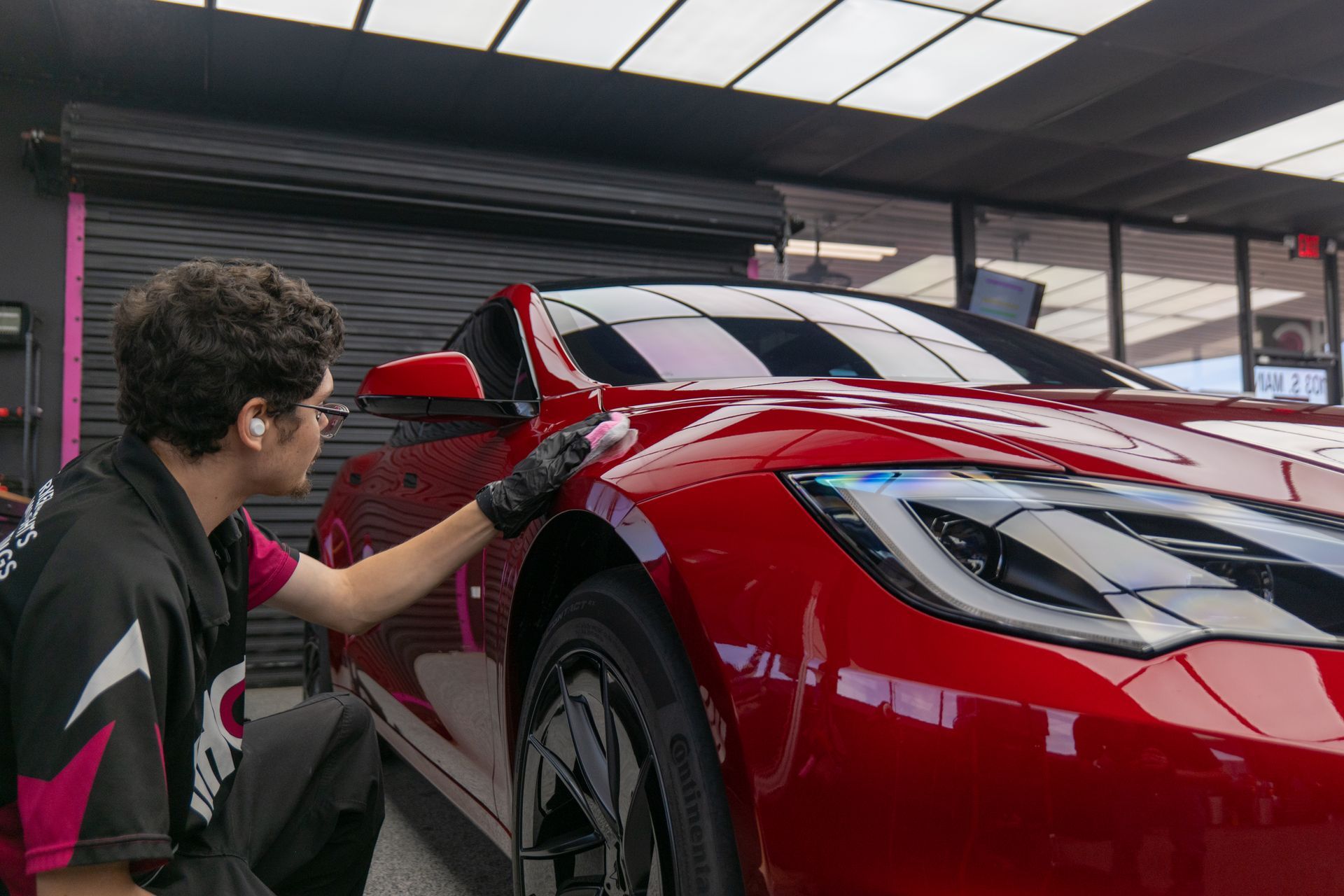
Maintaining PPF's performance over time does not require a complicated routine. Gentle hand washing with a pH-balanced automotive shampoo on a regular basis keeps the film clean and the hydrophobic surface functioning properly. Soft microfiber wash mitts and towels used in straight-line motions rather than circular patterns minimize the risk of introducing swirl marks. Abrasive chemicals, automatic car washes with stiff brushes, and harsh household cleaners should be avoided, as they can degrade the film's topcoat and diminish its self-healing performance over time.
Periodic inspections every few months allow for the early detection of any edge lifting, minor tears, or signs of aging, such as yellowing or reduced clarity. Catching these issues early means a professional repair can be handled quickly and cost-effectively before a small problem requires a full-panel replacement. With attentive care, a quality PPF installation can maintain its protective and aesthetic performance for a decade or more.
Why PPF Is a Smart Investment for Discerning Vehicle Owners
For owners who take pride in their vehicles, whether a daily driver, a weekend Corvette, or a collector car that rarely sees rain, PPF offers something no wax, sealant, or ceramic coating alone can match: a physical barrier between the environment and the paint. It does not just make the car look better on the day of installation. It preserves that appearance, panel by panel, year after year.
The value of a well-maintained finish is real. Paint corrections and panel repaints are expensive, and the visual disruption of mismatched or faded paint is a frustration no enthusiast wants to deal with. PPF addresses the root cause by preventing the damage before it occurs. For high-value vehicles, this level of protection is a practical decision that pays for itself over time by reducing repair costs and maintaining resale value.
At HH Ceramic Coatings, Tint, Paint Protection, every PPF installation is approached with the precision and care that your vehicle deserves. As a veteran-owned and operated detailing studio, we are committed to doing things right the first time, every time, because your vehicle's protection is worth nothing less.
Contact us today to learn more about our top-notch paint protection film services in Temple, TX!