Impact of Professional Tinting on Overall Vehicle Symmetry and Aesthetic Enhancement
When considering upgrades for a prized vehicle, window tinting may not be the first enhancement that comes to mind. But for owners of high-end cars, classic builds, and precision daily drivers, it is one of the most impactful finishing touches available. Professional window tinting does more than darken glass. At the right shade and with a flawless application, it creates a cohesive, intentional appearance that ties together every design element of the vehicle. The result is a car that looks sharper, more refined, and unmistakably well cared for.
How Tinting Enhances Aesthetic Appeal
There is something undeniably compelling about a vehicle wrapped in deep, uniform window tinting. Darker shades, particularly those in the lower visible light transmission (VLT) range, lend a vehicle the kind of presence associated with high-end performance cars and luxury touring vehicles. This is not simply about privacy. It is about projecting an image of refinement and exclusivity that many discerning vehicle owners actively pursue.
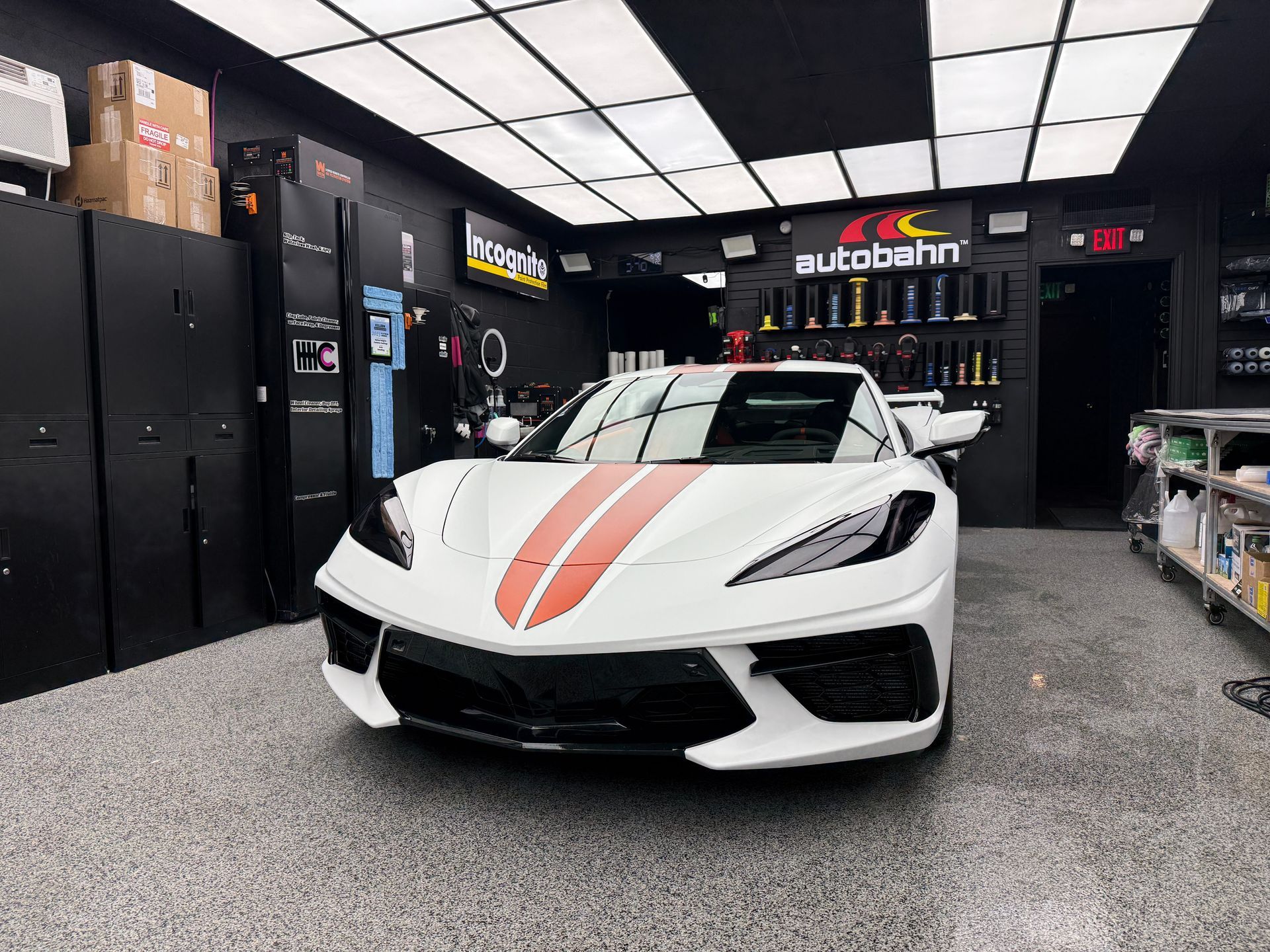
When windows disappear behind a consistent, dark surface, the vehicle's silhouette becomes more unified. Distractions fall away, and what remains is a powerful, grounded appearance that communicates both style and substance. For owners of sport coupes, performance vehicles, and collector cars, this elevated presence is often precisely what they are after. That said, the aesthetic value of tinting does not rely solely on going dark.
Subtlety carries its own appeal. Lighter tints, those in the 50% to 70% VLT range, work with a vehicle's existing design rather than overpowering it. These films allow natural light to interact with the car's contours and body lines, enhancing shape and detail in a way that feels polished rather than aggressive. The result is an appearance that reads as thoughtfully styled, with a consistency across all windows that draws the eye without demanding attention. For owners of lighter-colored vehicles or those who prefer a more understated look, medium to light tints offer the perfect balance of sophistication, visibility, and legal compliance.
The Role of Symmetry in Vehicle Design
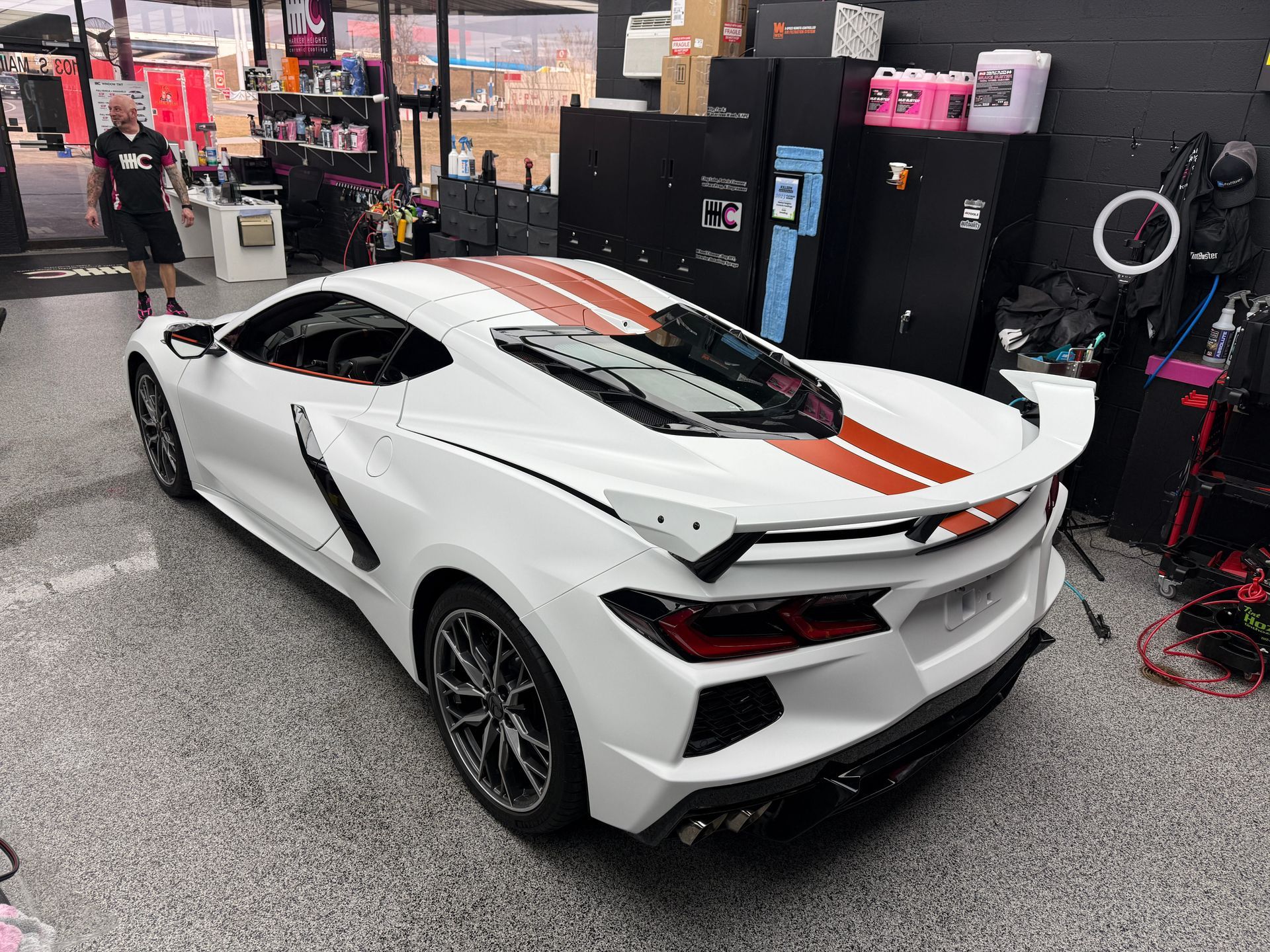
Symmetry in car design speaks to something fundamental in the way people perceive quality and craftsmanship. A balanced, proportional vehicle reads as more refined. When design elements align properly from one side of the car to the other, the result communicates reliability and intentional construction at a glance. This holds true for body panels, door lines, window positioning, and glass treatments alike.
Window tinting plays a direct role in this equation. When applied professionally with consistent shading across every window, tinting reinforces the natural symmetry of the vehicle's design. When tinting is uneven, patchy, or mismatched between windows, that balance breaks down. The eye catches the inconsistency, and the vehicle's overall impression suffers for it.
A precise, uniform application ensures that every pane of glass contributes equally to the vehicle's appearance rather than working against it. Whether the preference leans toward a light, barely-there tint or a deeper, more dramatic shade, the key is consistency: matching shades, consistent light transmission, and clean edges that align with every body line on the vehicle.
The Benefits That Go Beyond Appearance
For the vehicle owner who takes pride in their investment, professional tinting delivers significant practical value alongside its visual impact.
UV protection is one of the most meaningful benefits. High-quality tint films are engineered to block the vast majority of harmful ultraviolet rays, which matters both for the occupants of the vehicle and for the vehicle itself. UV exposure accelerates the fading and cracking of interior materials, including leather seating surfaces, dashboards, and trim. By shielding the cabin from UV penetration, professional tinting helps preserve the interior in the condition it deserves, maintaining long-term value in the process.
Heat reduction is equally significant. In warmer months, untreated glass allows solar heat to build rapidly inside a vehicle's cabin. Professional tinting reduces that heat buildup substantially, creating a noticeably more comfortable environment and reducing reliance on climate control systems. For collectors and owners of high-performance vehicles, this process also helps protect sensitive electronics and instrumentation from heat-related strain.
Privacy and security round out the functional case for tinting. Tinted windows limit sightlines into the cabin, keeping valuables out of view and providing occupants with a greater sense of discretion. Professional installation ensures that this privacy is achieved without sacrificing the driver's outward visibility or compromising safety in low-light conditions.
Why Material Quality Matters
Not all tint films perform equally. Entry-level dyed films may offer initial darkening but tend to degrade over time, developing a purple or hazy cast as the dye breaks down. For a vehicle owner who has invested in a quality car and expects quality results, that is an unacceptable outcome.
Premium films, particularly ceramic and nano-ceramic options, are a different category entirely. These films are engineered for long-term performance. They reject infrared heat effectively while maintaining optical clarity and true color over many years. They do not bubble, peel, or discolor under normal conditions, and their consistent light transmission rates ensure that the uniform appearance achieved on day one holds up over time. Investing in premium film is well justified for owners of performance vehicles, luxury sedans, electric vehicles, and collector cars. The difference in long-term appearance and performance is clear, and the value of protecting that appearance on a vehicle worth caring for is self-evident.
Achieving a Uniform Finish
A truly balanced vehicle appearance depends on consistent tint application across all windows. If any single pane differs noticeably from the others in shade or clarity, the eye picks up on that inconsistency immediately. The effect undermines the entire visual impression the tinting was meant to create.
Professional installers work to minimize variation in visible light transmission between windows, holding tight tolerances that ensure each pane filters light in the same way. This consistency eliminates what might be called the checkerboard effect, where alternating areas of light and dark shading disrupt the clean lines of the vehicle. When every window contributes the same filtered appearance, the car reads as a unified whole rather than a collection of individual pieces.
Matching the tint shade to the vehicle's exterior color is equally important. Darker vehicles are natural candidates for deeper tints, which amplify their existing presence and add a dramatic, refined character. Lighter vehicles pair more naturally with medium to light shades that complement the paint's brightness rather than muting it. Silver, white, and pastel tones benefit from tints that provide glare reduction and UV protection while preserving the vehicle's open, airy visual character. The goal is always to complement rather than contrast: tinting that feels like a natural extension of the vehicle's design, not something applied over it.
Understanding Contrast and Reflectivity
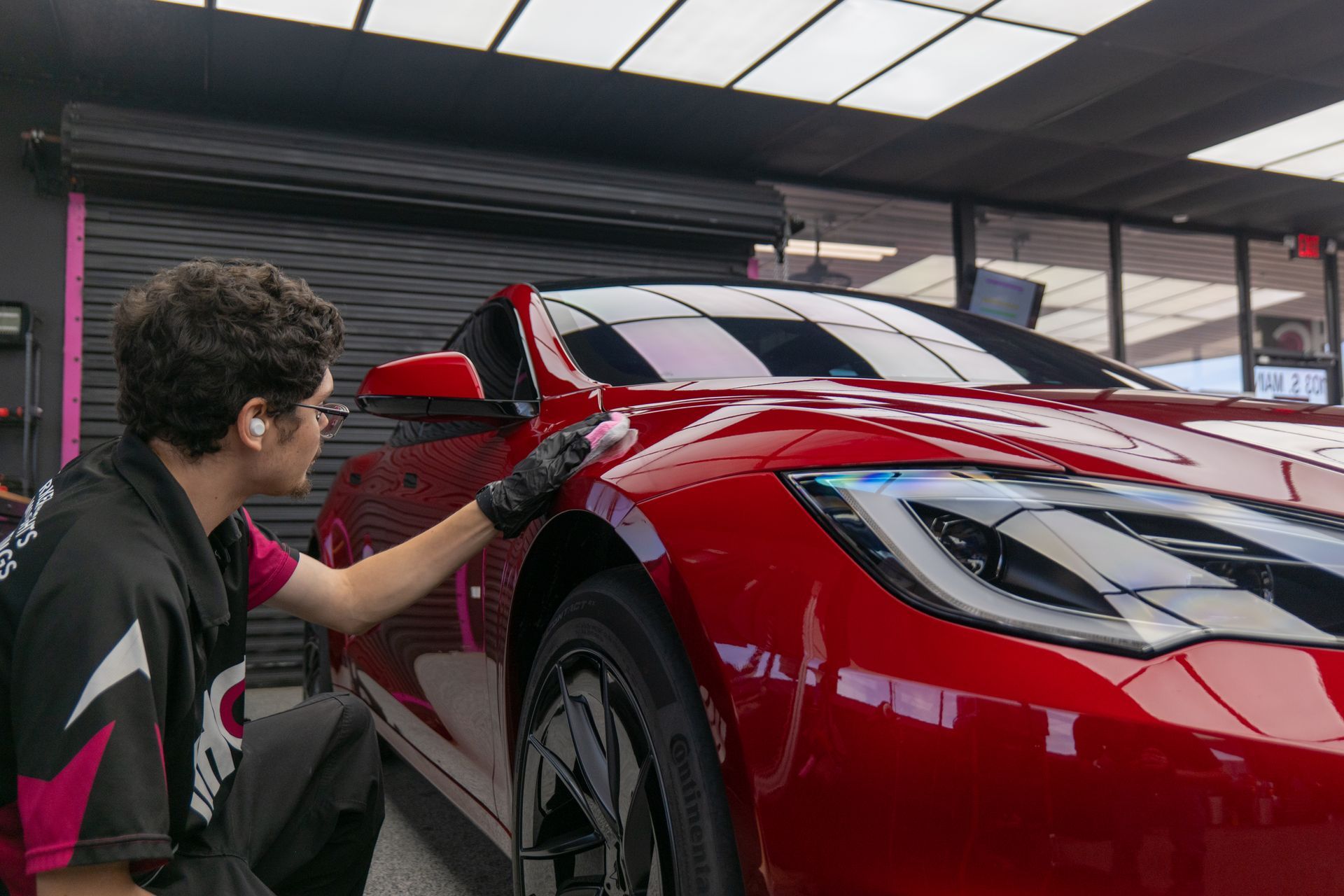
One of the less obvious benefits of professional window tinting is its effect on how the vehicle's paintwork appears to observers. Darker tints absorb ambient light, which deepens shadows and intensifies highlights across the vehicle's surface. Body lines, curves, and panel details read more clearly, and the paint appears richer and more dimensional. This effect is most pronounced under direct sunlight, where the contrast between the darkened glass and the surrounding body panels draws attention to the vehicle's sculpted surfaces.
Ceramic and carbon-based films are particularly effective in this regard. They absorb heat-generating infrared wavelengths while maintaining optical clarity, which means the windows look sharp and vibrant alongside the paint without creating distracting reflections.
As lighting conditions change throughout the day, professionally tinted vehicles continue to present well. Darker shades create a smooth transition between daytime brightness and the softer light of evening, maintaining a clean, composed exterior appearance under streetlights or headlights. Tinted glass avoids the washed-out look that untreated windows can develop under artificial lighting, keeping the vehicle's appearance consistent regardless of the hour.
Choosing the Right Tint for Your Vehicle
With a range of shades and film types available, selecting the right tint comes down to the intersection of personal preference, vehicle type, and practical driving needs.
Very dark tints in the lower VLT range are well suited to vehicles where rear privacy is a priority or where a dramatic, high-end appearance is the goal. They work particularly well on dark-colored performance vehicles and classics where an aggressive visual character complements the build. These shades require thoughtful attention to night driving conditions and must comply with applicable local regulations.
Medium tints represent the most versatile option for most vehicle owners. They offer meaningful UV and heat rejection, strong privacy, and a polished appearance that works across a wide range of vehicle colors and styles. For daily drivers and performance vehicles used in varied conditions, this range delivers the most well-rounded result.
Lighter tints are ideal for owners who want a refined, nearly factory-looking upgrade that provides functional protection without dramatically altering the vehicle's original appearance. These are a strong choice for front windows in states with stricter VLT requirements and for vehicles where subtlety is the aesthetic priority.
Specialty options such as gradient films offer additional personalization for owners seeking something distinctive. These require skilled installation to achieve the smooth transitions and consistent shading that make them effective rather than distracting.
Why Professional Installation Is Non-Negotiable
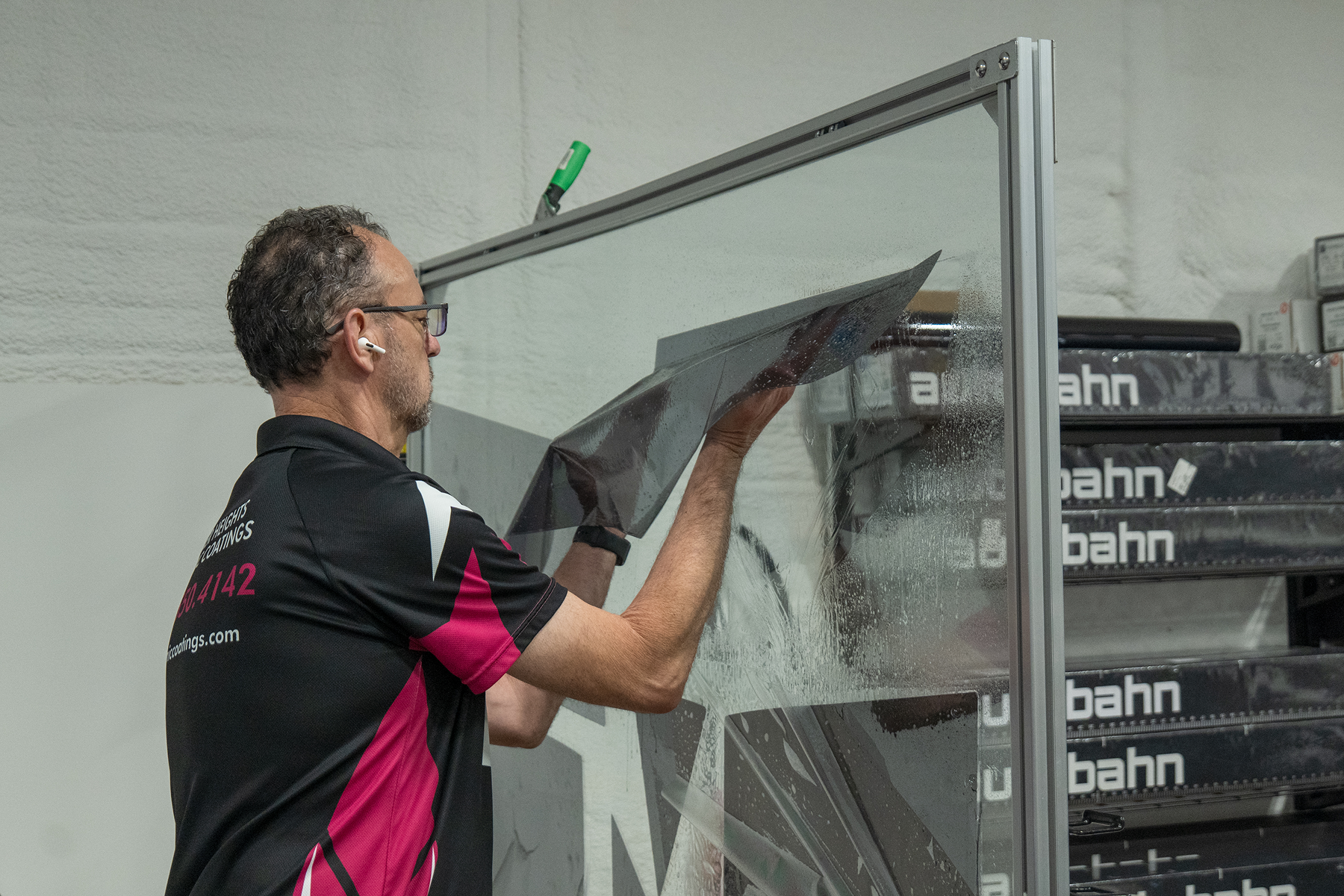
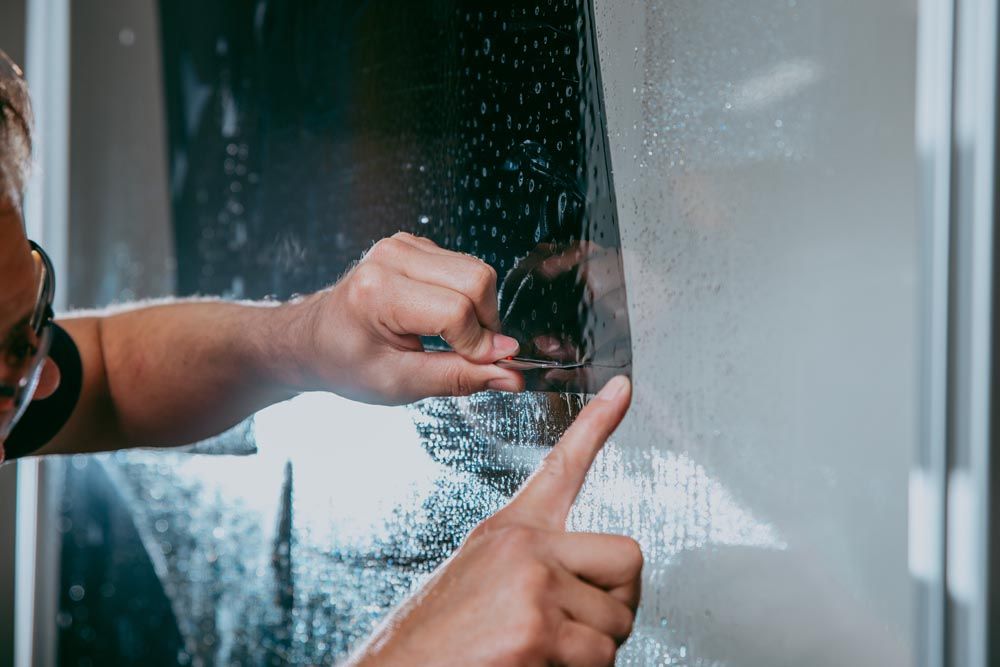
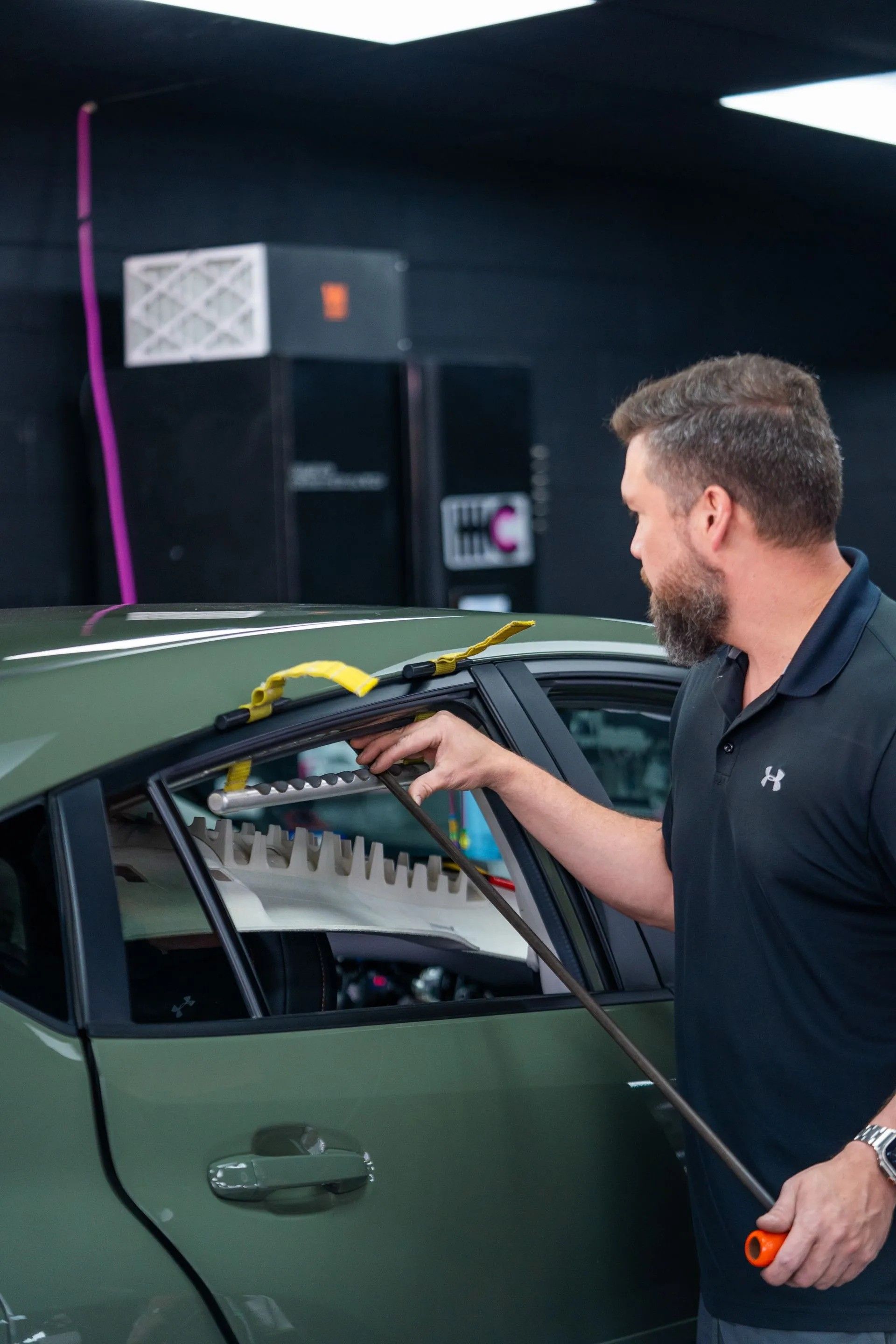
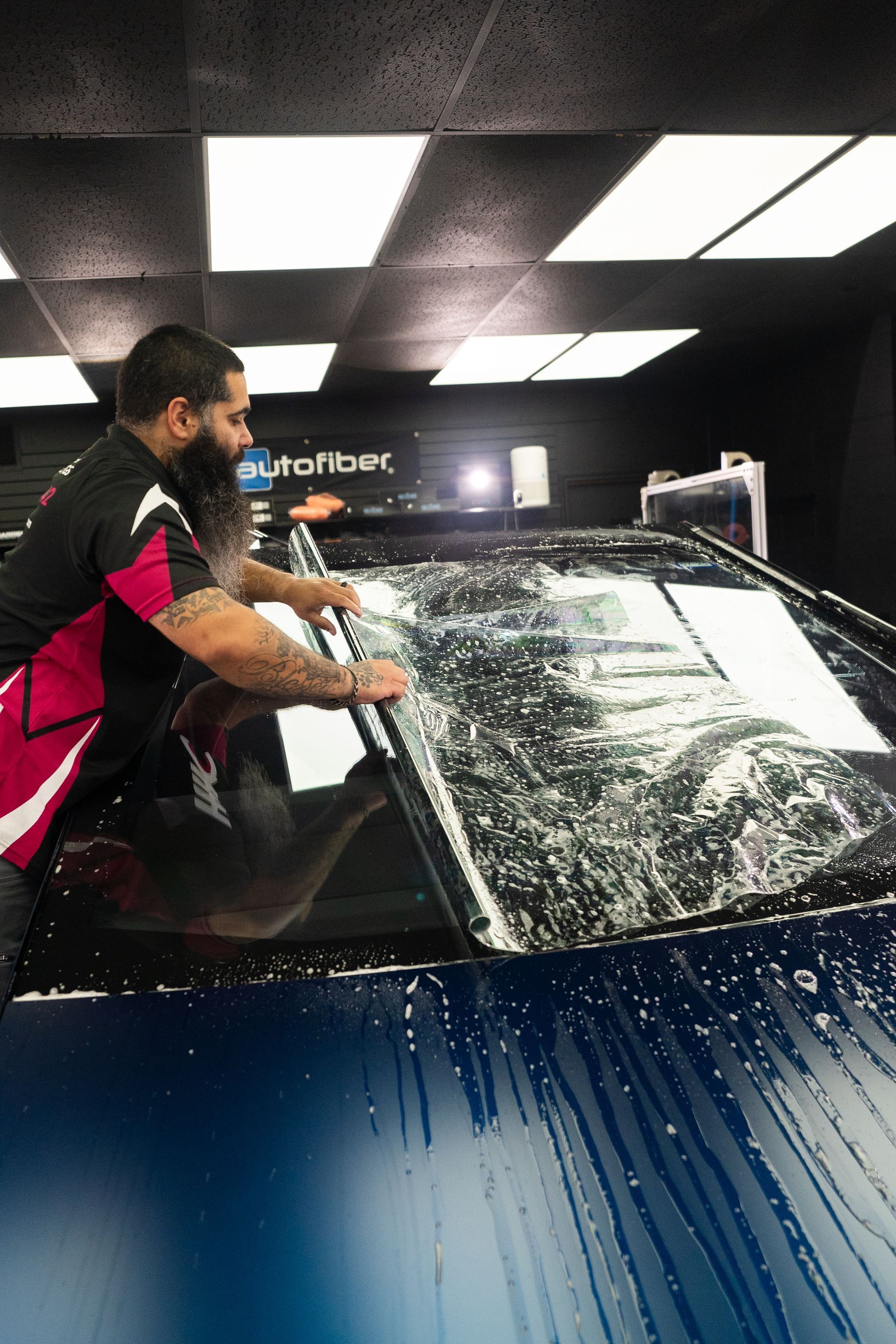
The difference between a professional tint installation and an amateur application is visible. Precision work requires specialized tools and trained technique to achieve clean edges, eliminate bubbles and wrinkles, and align the film properly with the vehicle's design lines. A poor installation undermines both the appearance and the durability of the film, creating inconsistencies that only worsen over time.
Skilled installers also bring working knowledge of local regulations to every job, balancing compliance requirements with the customer's preferences for shade and performance. For the vehicle owner who has invested in a quality car and expects quality results, professional installation is the only appropriate choice.
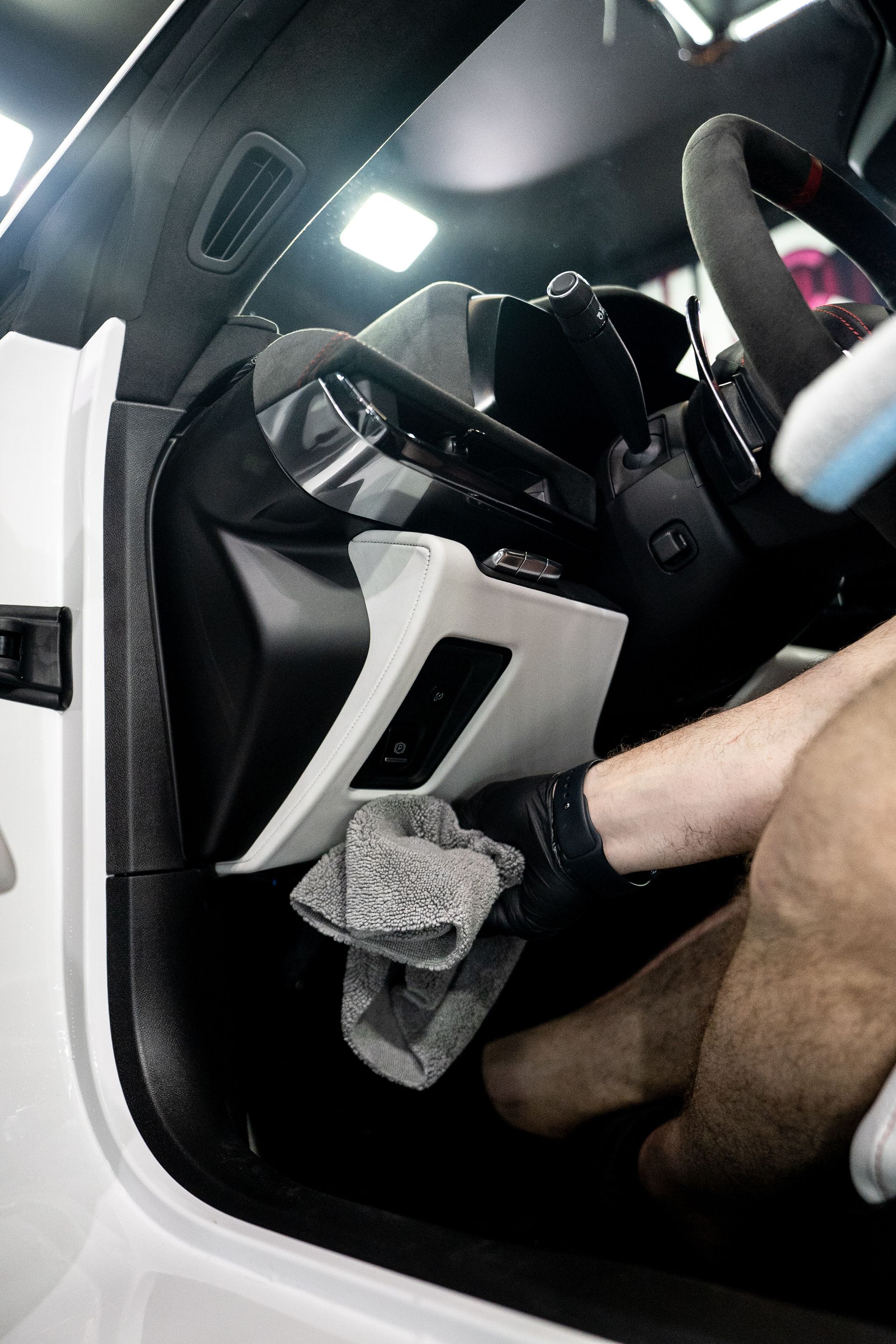
At HH Ceramic Coatings, Tint, Paint Protection, every window tint installation is approached with the same dedication to precision and open communication that defines every service offered. Each application is tailored to the specific vehicle, with the customer's goals guiding every decision from shade selection to final inspection. The result is a finished vehicle that looks intentional, performs exceptionally, and holds up over time.
Schedule your window tint service today in Killeen, TX to get started with a team that focuses on quality from start to finish!