Is Hail Damage Worth Filing a Claim For? When Yes, When No, and How to Decide
The storm came through, your car got hit, and now you have a decision to make. File with insurance or pay out of pocket. Most articles you find on this will tell you to always file.
That is not always right, and honestly, that advice usually comes from someone who has a stake in one side of the answer. So is hail damage worth filing a claim for in your situation? Fair question that deserves a real read.
Here is our angle. We fix hail damage every season here in Central Texas. Whether you file with insurance or pay us in cash, we do the same work and get paid the same either way.
So the advice on this page is not pushed one way or the other. What follows is a framework you can actually use to think it through, along with the questions that tend to settle the call for most drivers who come through our shop.
The One Question That Settles Most Decisions
Before anything else, ask yourself this: how does the estimated repair total compare to your deductible?
If the repair is significantly higher than your deductible, filing usually makes sense on the math alone. You are paying the deductible either way if you file, and the insurance covers the rest. Skipping the claim on a heavy repair means paying the full cost yourself, which is the exact situation insurance exists for.
If the repair total is right around your deductible or just above it, the picture gets more complicated. You are paying most of the cost anyway, and now you are also adding a claim to your file. This is where the answer is not automatic.
If the repair total is below your deductible, filing does not help you financially. The insurance would not pay out anything above what you are already covering yourself. Not worth the paperwork or the claim record.
The rest of this article is about the situations in that middle zone, where the math is not clear-cut.
The Rate Impact Question
This is the anxiety a lot of drivers walk in with. Am I going to see my insurance rates jump if I file after hail?
Weather events and at-fault collisions are usually placed in separate categories by insurers. Hail is a weather event, meaning you did not cause it, which typically means it sits on the no-fault side from the underwriting perspective. In many cases, a single weather claim does not directly raise your individual rate.
That said, this depends on your specific insurer, your state, your claim history, and the current pricing environment. Some carriers respond to a single weather claim differently than others. Some regions have seen wider rate movement after major hail seasons that affects all policyholders regardless of individual claim history.
Since your policy is specific to you, the right person to answer this question for your case is your own agent. A quick call before you file can settle it for your situation. If they tell you no impact, the decision gets easier. If they tell you something else, at least you know before you commit.
When Filing Almost Always Makes Sense
There are hail damage scenarios where filing is close to a no-brainer.
- Heavy full-vehicle damage. Every panel is dented. Repair cost is well into the thousands. Your deductible is a small piece of the total.
- Cracked paint on multiple panels. When bodywork is needed on top of paintless dent repair, cost climbs fast. Insurance is what this coverage is designed for.
- The car is newer and worth protecting. A modern vehicle with real market value benefits from being repaired properly, and insurance funds that.
- You have full coverage and the numbers work. If the math clearly favors filing and your policy pays the majority, do not overthink it.
For hail claims specifically, we work with customers on the deductible when total damage crosses a certain threshold, which changes the math further in your favor for heavier repairs. Central Texas drivers can see more on our Harker Heights paintless dent repair page.
When Filing Often Does Not Make Sense
The other side of the coin. Situations where paying cash is usually the better call.
- The damage is minor. A handful of small dents on one panel. Repair cost is close to or under your deductible.
- Your car is older with limited market value. Adding a claim record on a car you will probably replace soon may not be worth it.
- You want the paperwork over quickly. Insurance claims add time. If the repair is small and cash is not an obstacle, self-pay is faster.
- You are already carrying multiple recent claims. Some carriers do respond to claim frequency across all types. If you have filed several times recently, another one may weigh differently.
Neither list is universal. The right call depends on your specific policy, your car, and your priorities.
The Middle Zone: Questions to Ask Yourself
When the math is not clear, these questions help settle it.
- What is my deductible? Look it up on your declarations page or your policy documents.
- What is the honest repair estimate? A real walk-through from a shop that fixes this kind of damage, not a rough guess from a quick app.
- What did my agent say about rate impact? Call and ask directly before you file.
- How long am I planning to keep this car? Longer means paint condition matters more.
- Do I have the cash to self-pay if I skip the claim? If not, filing may be the practical answer regardless of the math.
- Have I filed other claims recently? Frequency matters more than any single claim.
If most of these point one direction, that is your answer. If they split, either choice is defensible.
What a Good Estimate Looks Like
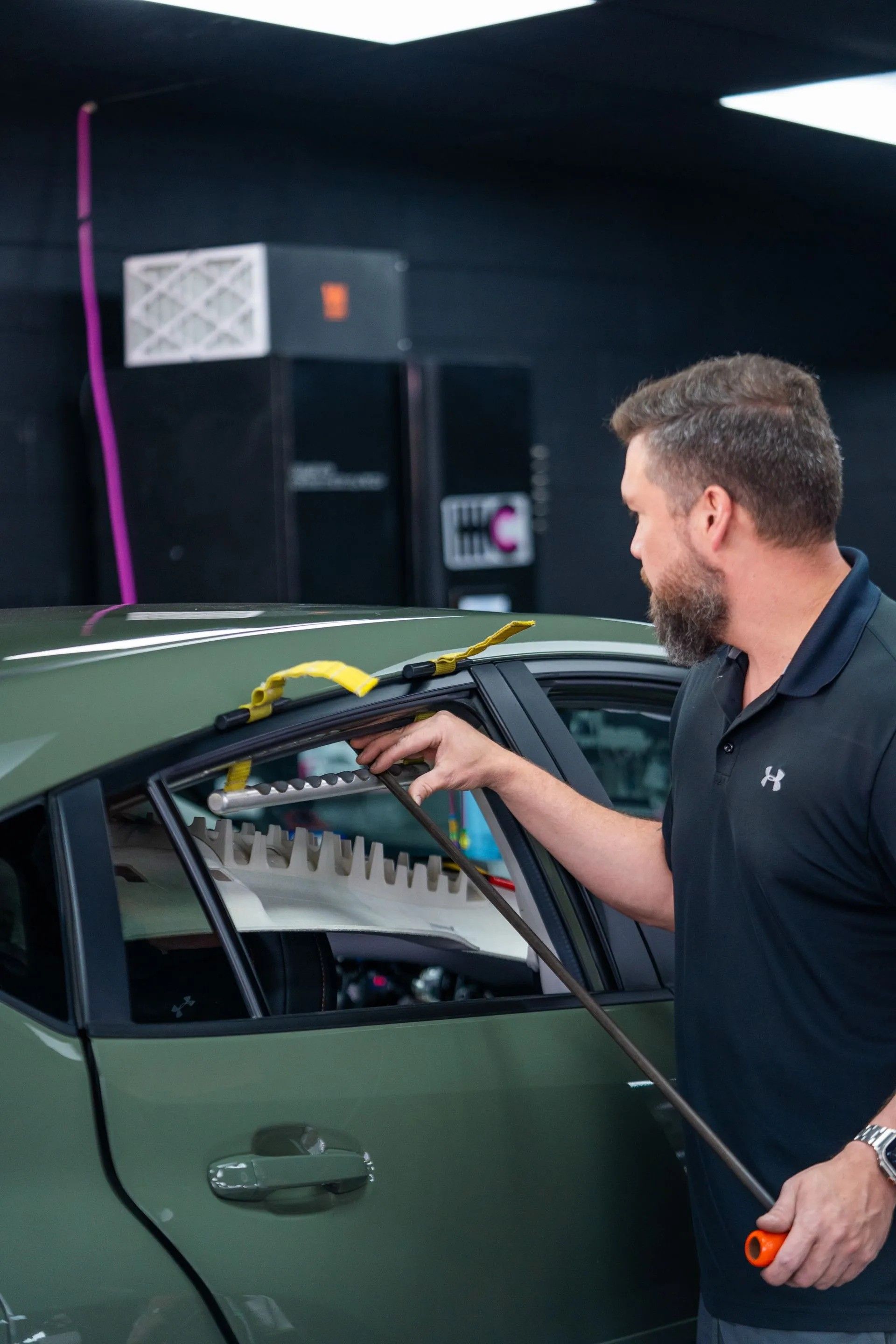
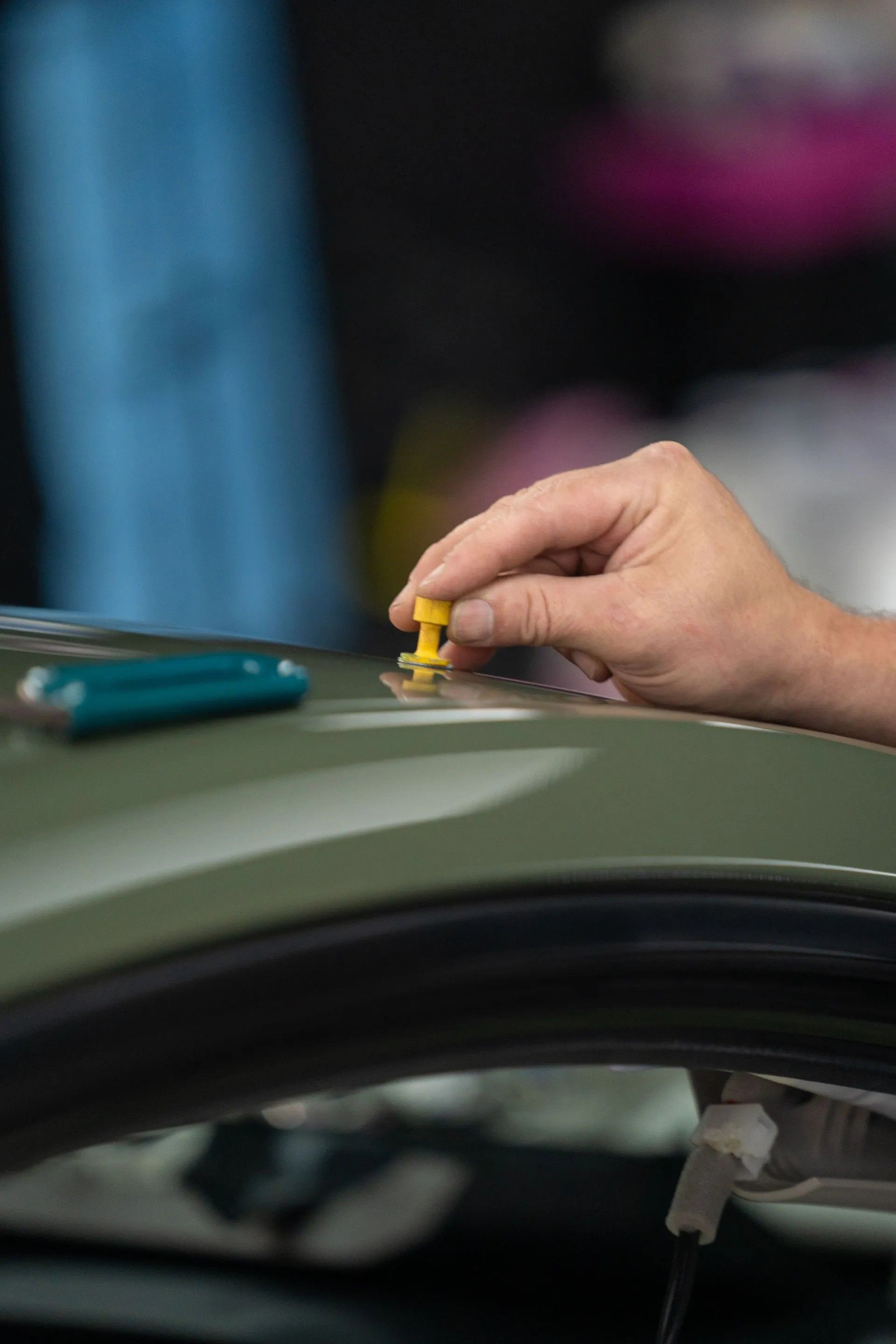
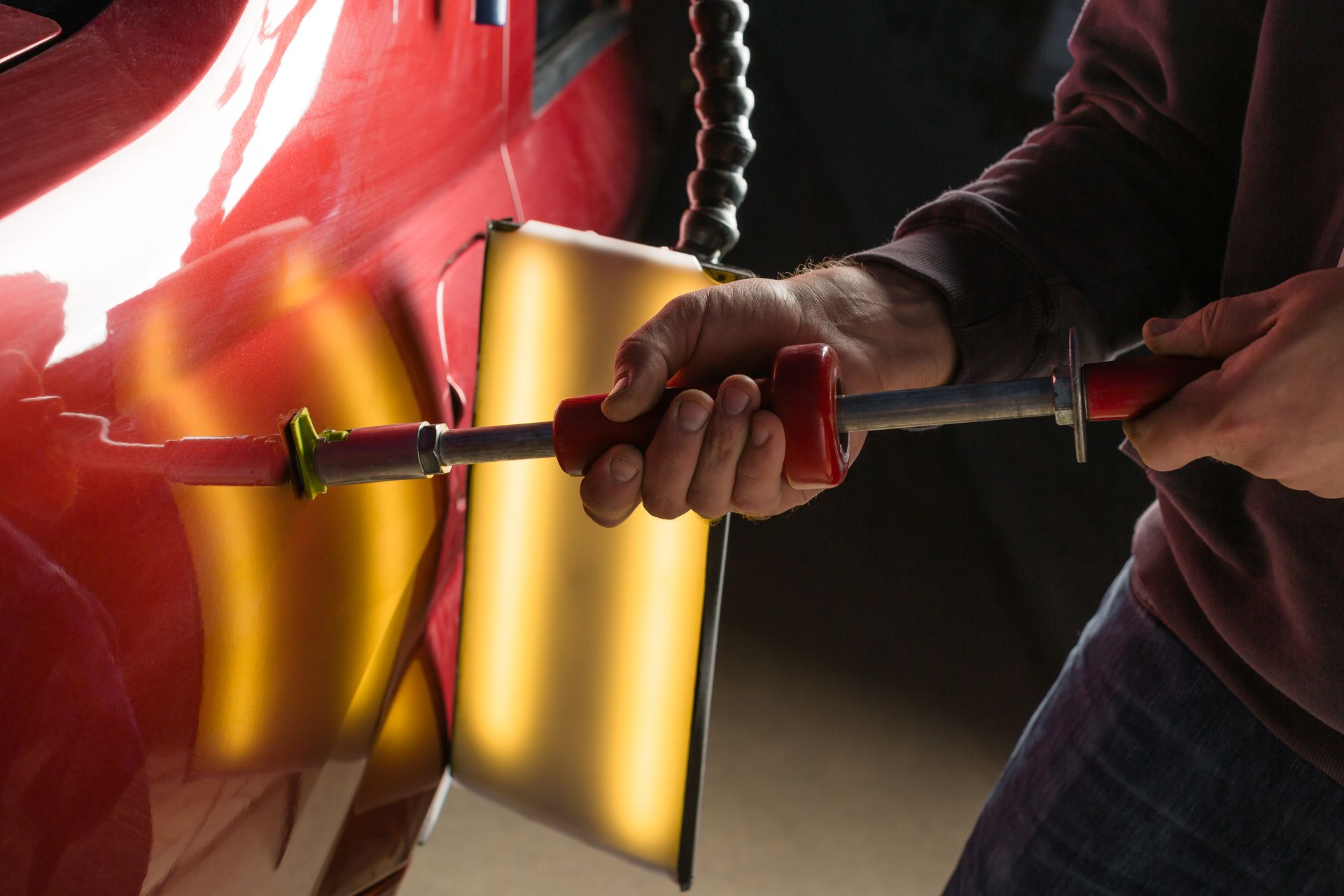
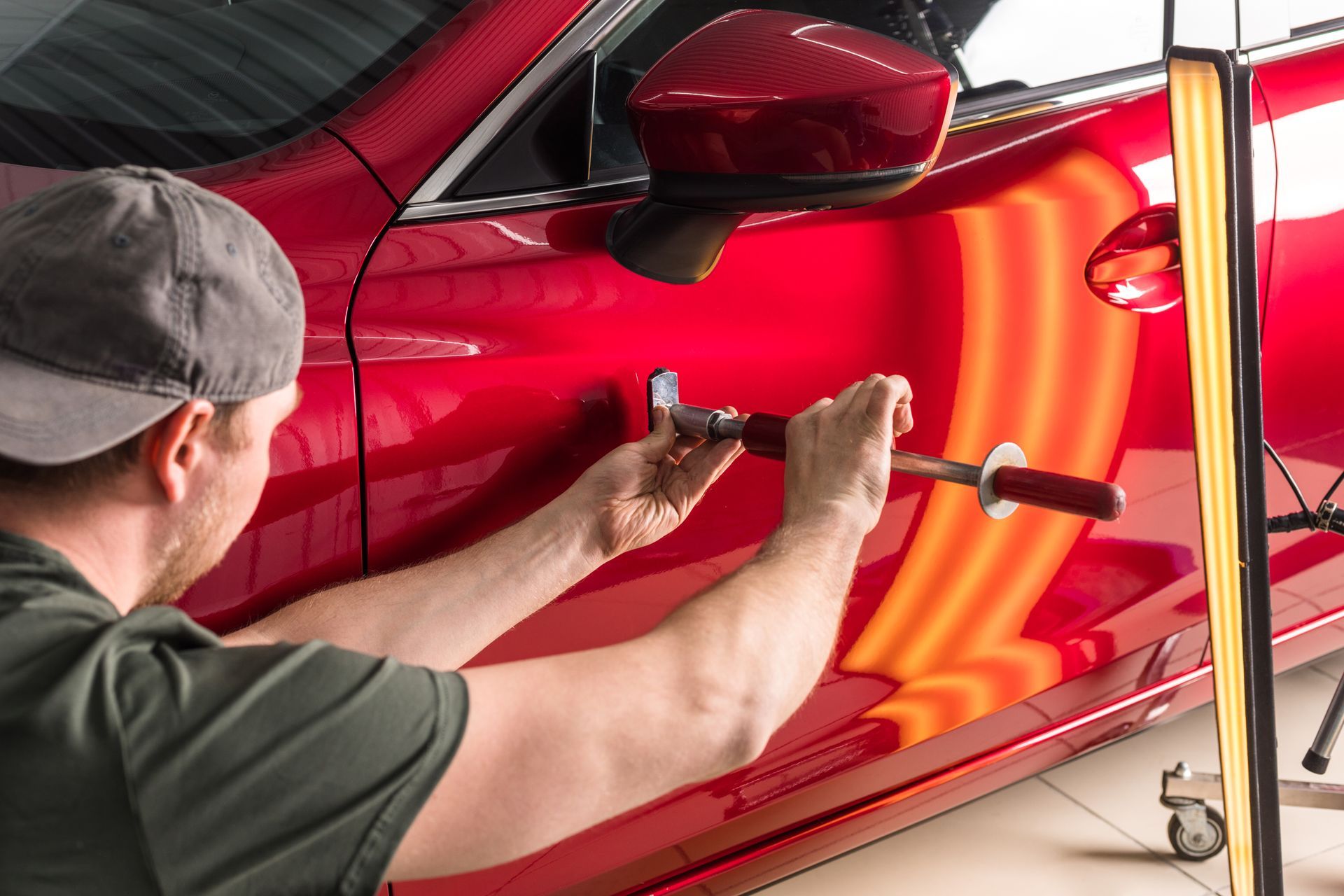
Before making the call, you need a real repair total, not a guess. A good hail estimate involves walking every panel of the car in good light and counting dents, checking whether any panels have cracked paint that requires body shop work, factoring in trim removal if needed for access to certain dents, and pricing based on actual repair scope rather than a formula.
You can start with our paintless dent repair page for context. If the estimate lands where you expected, the decision path is clear. If it comes in much higher or lower than you assumed, that changes the math.
Why We Give Straight Advice Either Way
Here is what separates our take on hail claims. We do the same repair work whether you pay through insurance or out of pocket. Our shop is not paid more when a customer files a claim, and we are not paid less when they do not. That neutrality is why we can honestly say file when it makes sense, and honestly say do not file when it does not.
In hail-heavy seasons, a larger insurance-paid job can mean a larger payout for the shop doing the work, which can shape the advice you get. That is a real consideration to keep in mind when weighing input from any shop on this decision.
Come By and We Will Put Together an Honest Estimate
The best way to make this decision is with a real number in front of you. Drive over with the car, and we will walk it, count the dents, and put together a real estimate along with our honest read on whether filing makes sense for your specific situation.
Reach out through the contact page or start at the Harker Heights Ceramic Coatings home page. Killeen-area drivers can head to our Killeen paintless dent repair page.
Frequently Asked Questions
Does a single hail claim usually raise my rates?
In many cases, a single weather-related claim is placed in a separate category from at-fault collision claims by most carriers. But this varies by insurer, by state, and by your claim history. Your own agent is the right person to give you a specific answer for your policy, and it is worth calling before you commit either way.
What if my repair estimate is close to my deductible?
This is the middle zone where the math is not clear. Filing means you pay the deductible and the insurer covers a small amount above it. Not filing means you pay the full amount out of pocket.
Some drivers prefer to avoid a claim on their file even when filing would save a few dollars. Others take the small savings. Either call is reasonable.
How much can I expect a hail estimate to change once repair starts?
Estimates sometimes go up once a shop gets hands on the car and finds damage a quick walk-through missed. If you are working with insurance, the shop files a supplement to update the total. If you are paying cash, the shop should communicate any change before doing extra work. Ask about how additions are handled before you commit.
Should I get multiple estimates before deciding?
Getting more than one estimate is not required, but it can help if the first number is one you want to sanity check. Different shops price differently, and the range can be significant. If you go this route, make sure each shop is looking at the same damage in the same conditions so you are comparing apples to apples.
Does my hail claim affect my premium at renewal?
Same answer as the first question. Renewal rate changes come from many factors, and a single weather claim may or may not be part of that. Your carrier can walk you through their rate methodology, and your agent can tell you what to expect at your next renewal. This is a specific enough question that only your insurer has the real answer.