If you have a shopping-cart ding in your door or a hood full of hail dents, you have probably heard the words "paintless dent repair" tossed around as the fix. Maybe your insurance adjuster said the shop can handle it, or maybe you saw it on a sign and wondered what it involves. At Harker Heights Ceramic Coatings we do PDR every week, and most of the questions come down to the same thing: what is paintless dent repair, really, and will it work on my car? This page walks through the honest answer, including which jobs suit PDR and when a body shop is still the right stop.
The short version is that
what is paintless dent repair boils down to a specialized technique for reshaping sheet metal without disturbing the factory paint. That last part matters. Original factory finish is among the hardest things to replace well on any vehicle.
The Idea in Plain English
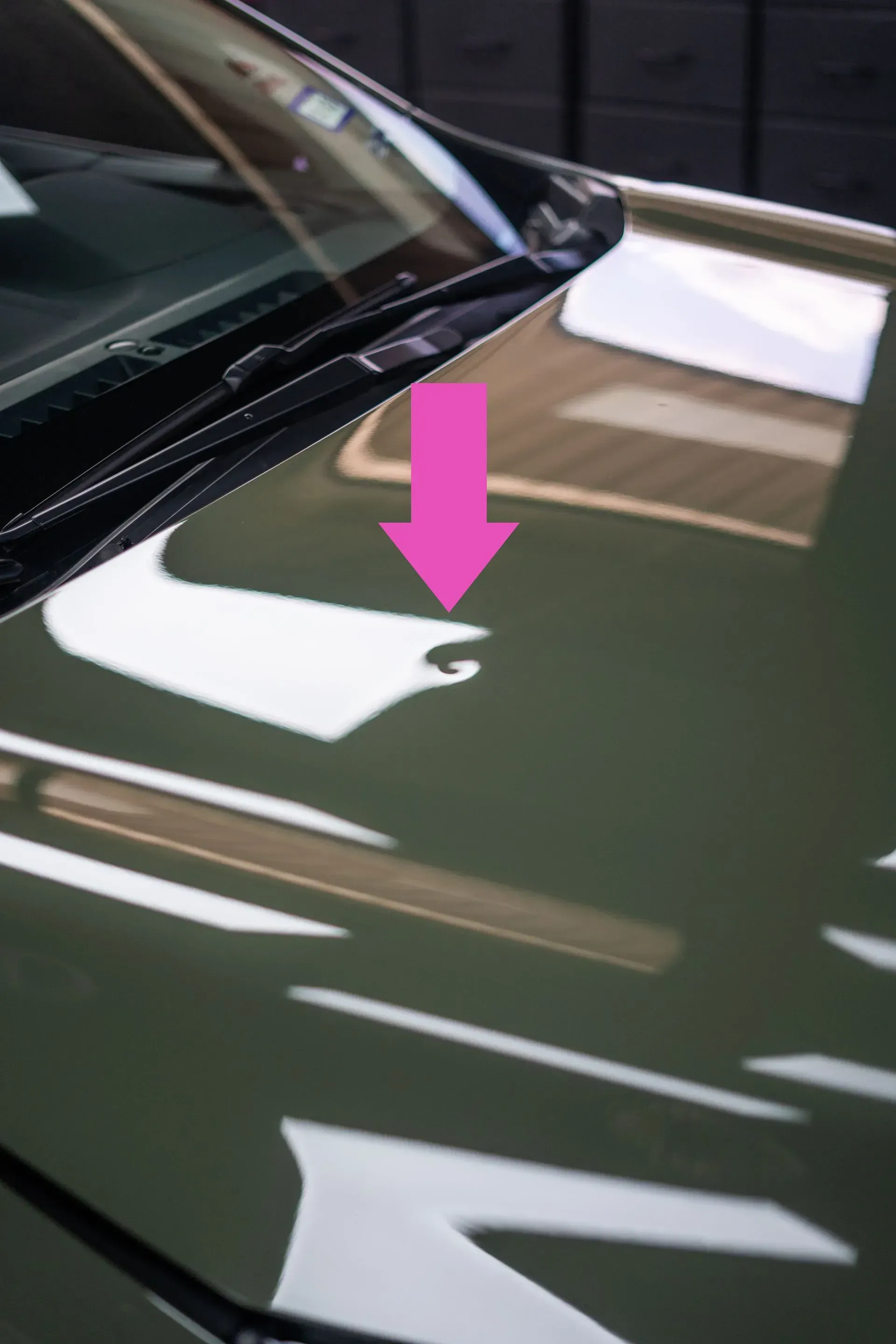
Picture a dent in your car door. The metal has been pushed in, but the paint on top is almost always still fine. It stretched a tiny bit, maybe, but it is not cracked or chipped unless the impact was really hard.
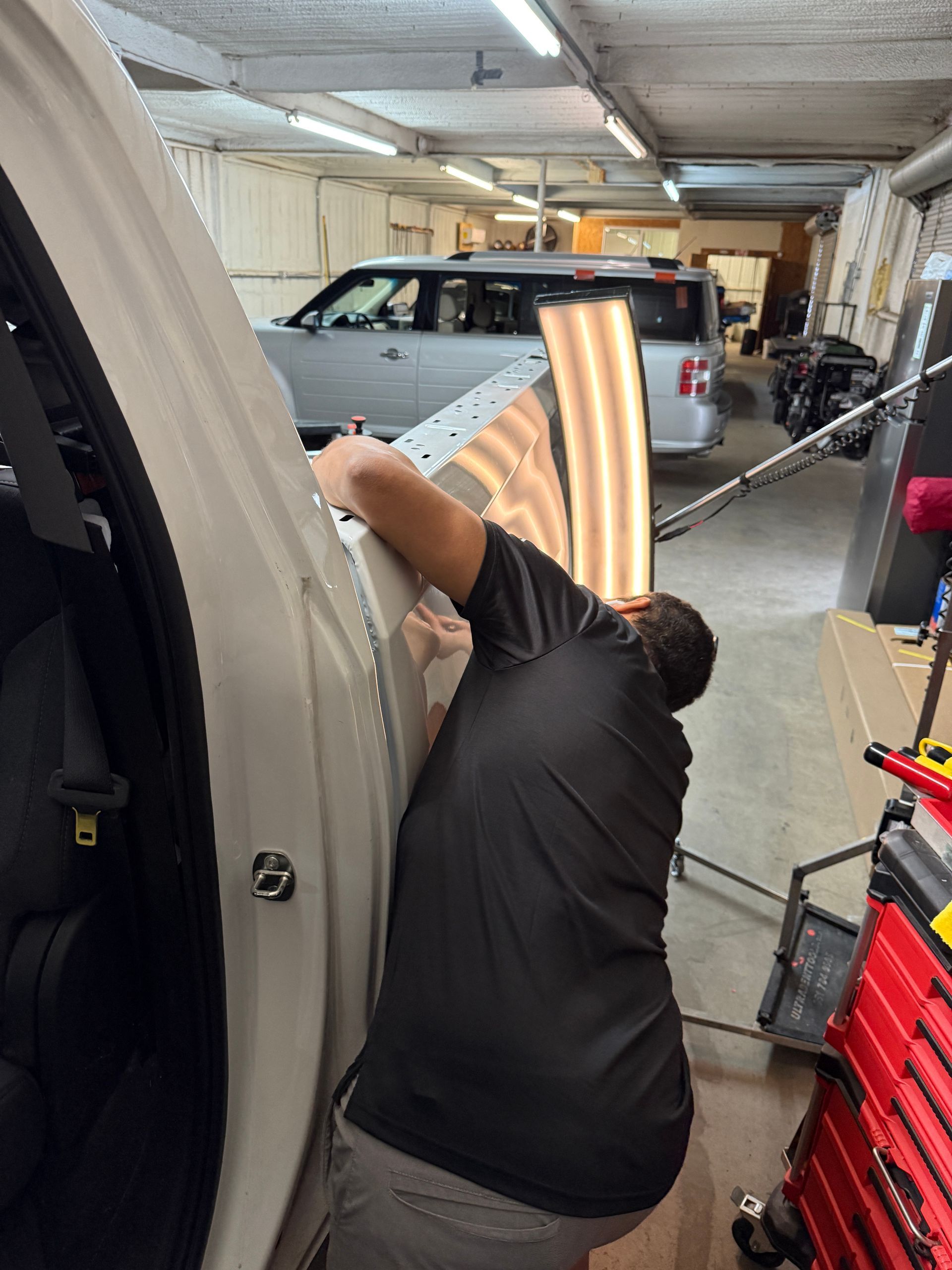
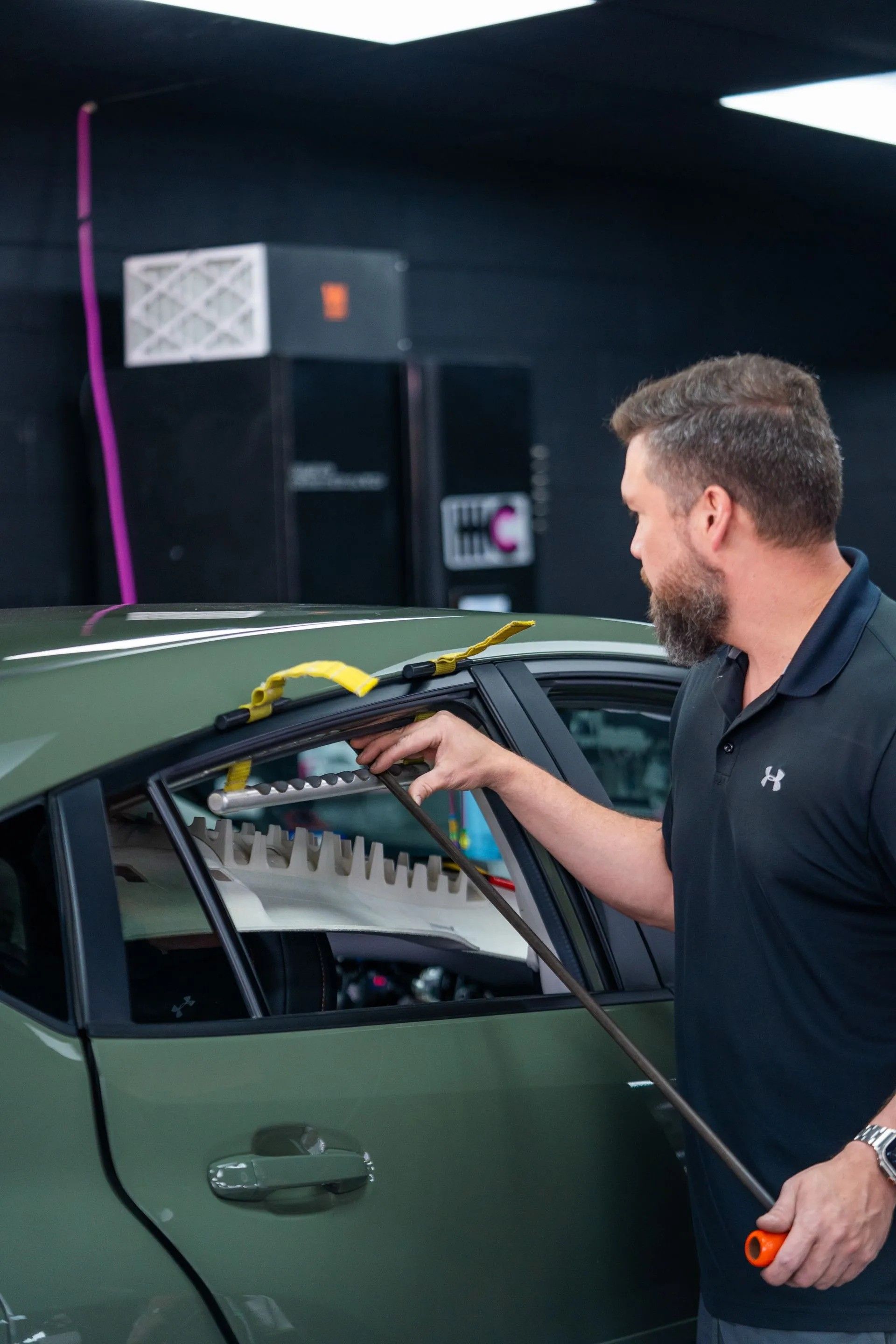
A PDR technician comes at that dent from behind the panel instead of the front. Using specialized tools that reach through access points inside the door, fender well, or trunk, the tech pushes the metal back out from the inside, slowly, in small controlled motions. The surface comes back flush with the surrounding panel while the paint on top stays exactly where it was.
That is the whole idea. No filler, no sanding, no repainting.
What Happens During a PDR Job
Here is roughly what a PDR appointment looks like at our shop. Our paintless dent repair page covers more.
- Inspection. The tech looks over the panel, checks the paint for cracking or chipping, and figures out whether the dent is a good PDR candidate.
- Access. We find a path to the back of the dent, which might mean removing a door panel, pulling a trim piece, or working through an existing opening.
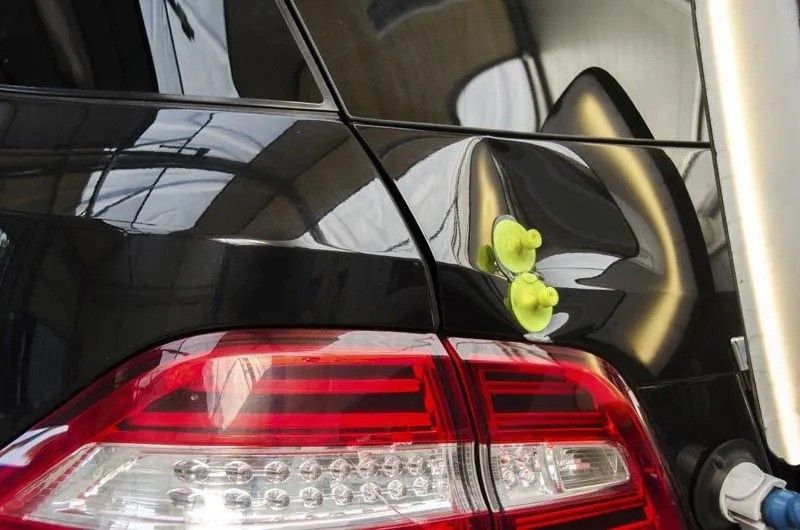
- Reshaping. Using specialized rods, picks, and sometimes glue-pull tools from the outside, the tech works the metal back into shape in small movements until the dent is gone.
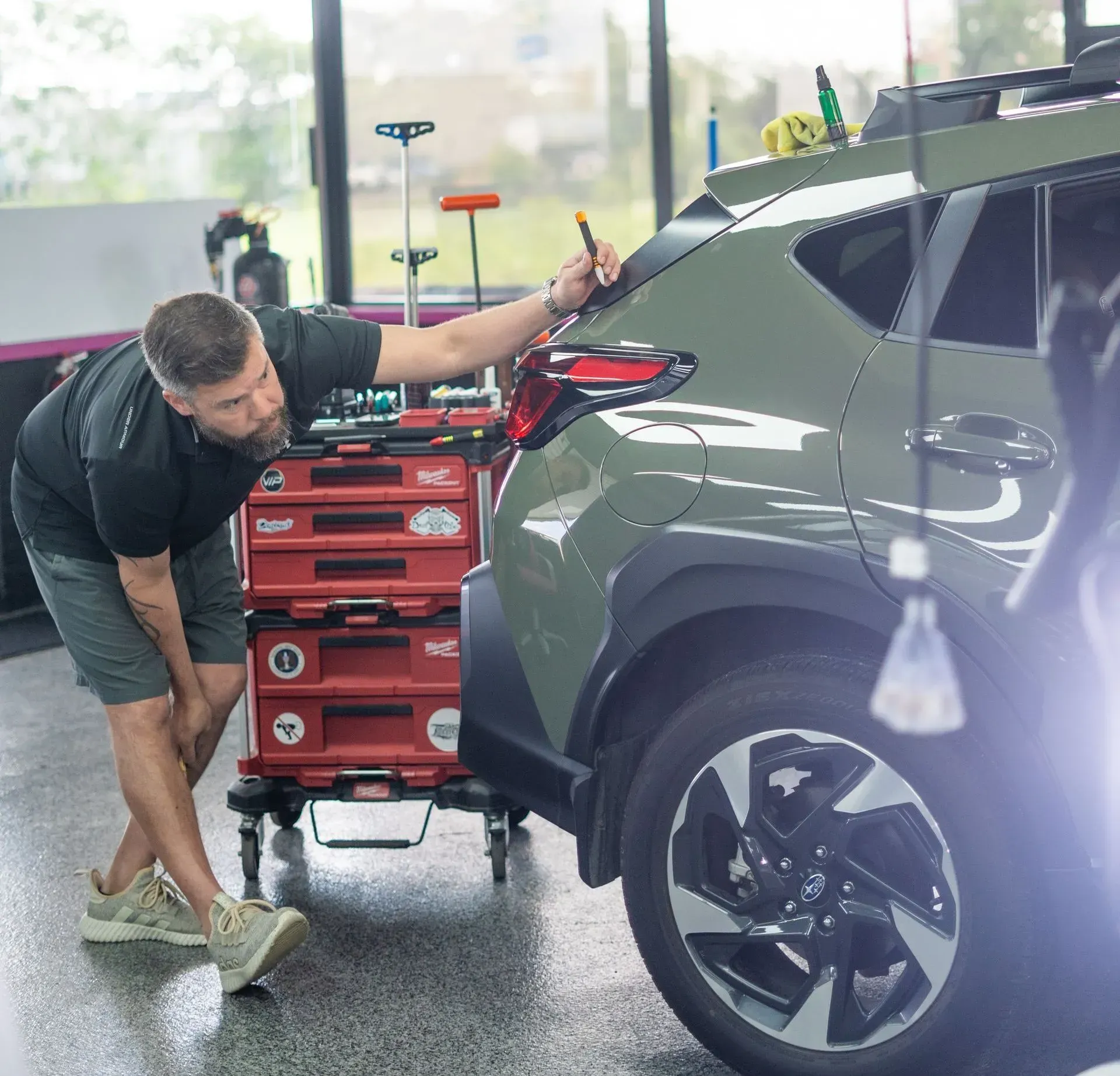
- Finish check. Under proper lighting, the tech reviews the panel from every angle to make sure the surface sits flush.
A single door ding is usually a quick job. A hood full of hail dents takes much longer. Timing depends on the number of dents and how deep they are, which we work out when we look at the car.
What Dents Are Good Candidates
Not every dent is a PDR job. The method works best when a few conditions are met.
- The paint is still intact. No cracks, chips, or paint loss over the dent.
- The metal is not stretched or creased too hard. Shallow and medium-depth dents work best.
- The dent sits in an area the tech can reach from behind. Most door panels, hoods, roofs, trunks, and fenders have access routes.
- The panel is a steel or aluminum body panel. Plastic bumpers are a different repair.
Classic candidates include door dings from the car next to you in a parking lot, hail dents across the hood and roof, and minor dings from a stray basketball or branch.
When Paint Work Is Still Needed
PDR is a precise technique, not magic. Some jobs call for a different tool, and we will tell you straight.
- Deep creases where the metal is folded hard enough that reshaping alone will not restore the surface.
- Any dent with paint damage. If the paint is cracked, chipped, or missing, PDR will not bring it back. That is a paint and bodywork job.
- Collision damage that affects panel edges, body lines, or the structure underneath.
- Rust around the damage. Once rust has set in, the repair involves more than reshaping metal.
For these cases, you need a traditional body shop. We work with trusted body shop partners for severe damage, so if your car needs full bodywork plus a PDR touch, we can route you to the right place.
Why Drivers Choose PDR When It Fits
When your dent is a PDR candidate, there are real reasons to go that route over traditional bodywork.
- Factory paint stays. No color-matching, no clearcoat blending, no risk of a paint job that looks slightly off a year later.
- Faster return. With no drying time for primer, basecoat, and clearcoat, your car is usually back the same day for small jobs.
- Lower cost. Fewer materials and less labor than a full paint repair usually means a smaller bill.
- Original finish kept. Keeping the factory paint intact matters to many buyers down the road, which is one reason some owners prefer PDR whenever it fits.
For hail-dent repair specifically, PDR is almost always the first option when the dents fit the criteria. More on how we handle hail jobs is on our
hail repair and insurance claim page.
Is PDR Right for Your Car?
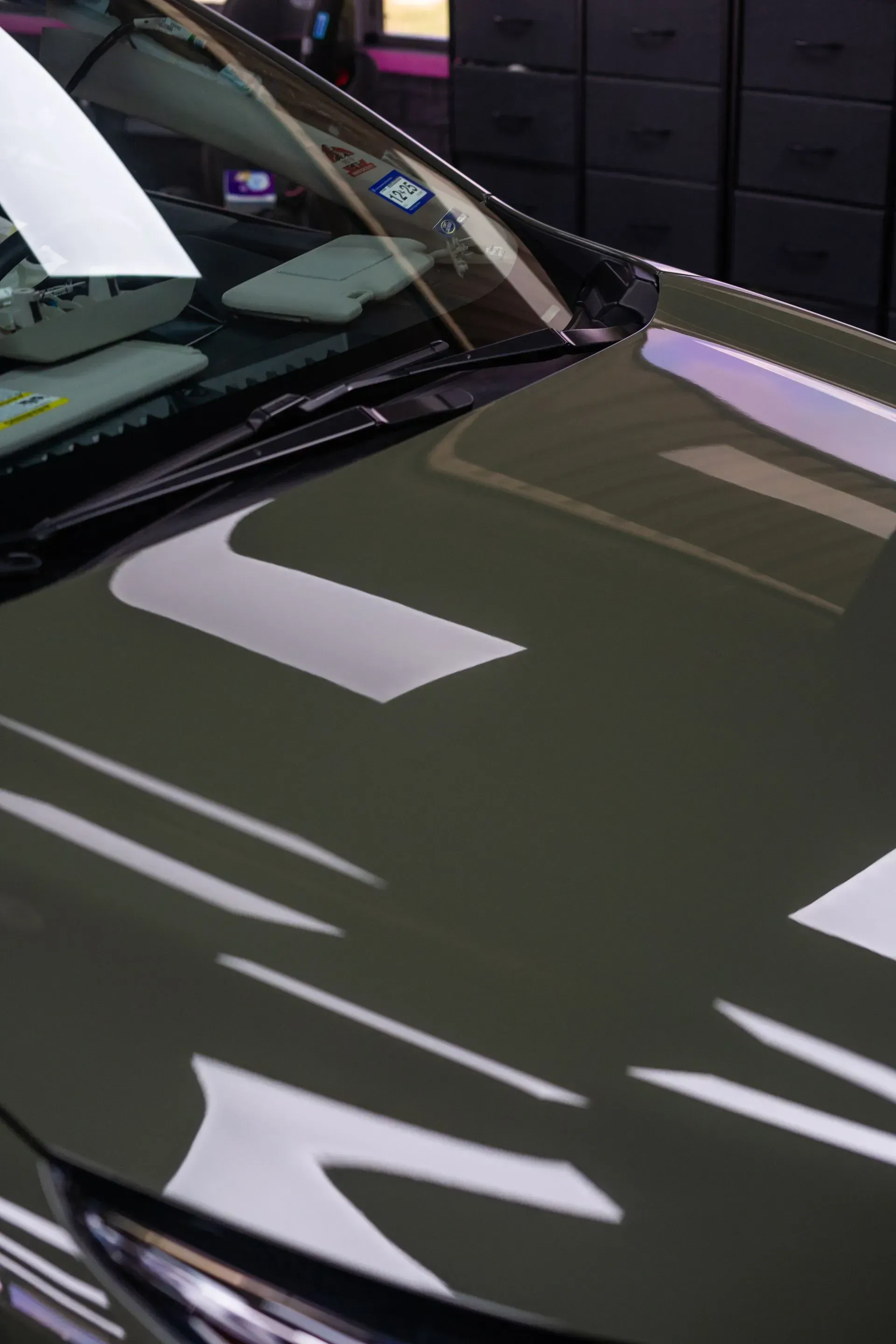
The only way to really know is to have someone look at the damage in person or from clear photos. A good tech can tell within minutes whether PDR will work, whether the car needs a body shop, or whether it is a mix of both.
If you are in Central Texas, drivers from Killeen and nearby cities come to us for this evaluation regularly. Bring the car in, or send clear photos, and you will get a straight answer.
Get a Look at Your Dent
If you have a dent, ding, or hail damage and want to know whether PDR is the right fix, reach out through our contact page. Include a few photos of the damage if you can, and we will let you know whether we can handle it with PDR or point you toward the right partner for the job.
Frequently Asked Questions
How is paintless dent repair different from traditional body work?
Traditional bodywork reshapes the panel from the outside, usually with fillers, sanding, and new paint. PDR works the metal from behind the panel without touching the paint. The factory finish stays on your car, and there is no color-matching or blending involved. PDR works only when the paint is still intact over the dent.
Does PDR leave any mark on the car?
When done by a skilled tech on a good candidate dent, no. The panel should come out looking the way it did before the dent happened. If the paint was damaged by the original impact, that part would still need separate paint work. The PDR itself leaves no mark.
How long does a paintless dent repair take?
A small door ding is often a short job. Larger ones, like a hail-damaged hood, take considerably longer depending on how many dents are involved and how deep they go. We give you a time estimate after we look at the damage so you know what to plan for.
Can hail dents be fixed with PDR?
Most of the time, yes. Hail damage is one of the biggest reasons PDR exists. The dents are usually shallow and spread across horizontal panels like the hood, roof, and trunk, which are easy to access from behind. PDR puts the panels back without repainting.
What if my dent has paint damage?
PDR will not restore paint. If the paint cracked, chipped, or came off in the impact, the panel will need a traditional paint repair in addition to any reshaping. We can look at the damage and let you know what the full fix will involve.