How Much Does It Cost to Tint Car Windows? What Changes the Price
If you have called around for tint quotes, you have probably noticed the numbers can swing hard from one shop to the next. One place quotes you one price. Another is way more. A third sits in between with a film name you have never heard of. So which one is fair, and is the lowest number actually the best deal or the one that bites you two years in? At Harker Heights Ceramic Coatings we get asked how much does it cost to tint car windows almost every day, and the honest answer is that the price depends on a handful of real factors. This page walks through them so you can look at any quote and know what you are actually paying for.
We are not going to list numbers here. Prices change, every car is different, and anyone throwing a flat figure at you without asking what you drive is guessing. What we can lay out are the levers that pull a quote up or down.
Factor 1: The Film Type
This is the biggest single thing that changes a tint quote. Not all tint is the same product.
- Dyed film sits at the lowest end of the market. It darkens the glass but offers little heat rejection and tends to shift purple over a few summers.
- Metal film is a step up for heat rejection but the metal particles can disrupt signals from GPS, phones, and modern vehicle sensors.
- Ceramic film uses non-metal particles to block heat without the signal issues, and it holds its color far longer. This is where quotes start to climb.
At our shop we work with Autobahn and offer a few tiers on the window tinting page. Black Ceramic is our mid tier for drivers who want real heat rejection and a classic look. Ceramic i3 is our top tier, with Autobahn's published figures showing up to 93% heat and 99% UV rejection. The jump between films is where most of the real price difference lives.
Factor 2: The Number and Shape of Your Windows
Not every car takes the same amount of film or labor. A sedan has four side windows plus back glass. An SUV adds rear quarter glass, cargo-area glass, and sometimes a sunroof. A pickup might only need two door windows plus a rear slider. More glass means more film and more labor.
Shape matters too. Flat glass is quick to work. Deeply curved rear windows, panoramic sunroofs, and wraparound glass take more skill and time. If you drive a car with complex curves, like one of the BMW M-series models or a modern coupe, expect that in the quote. It is not a markup, it is real labor time.
Factor 3: Removing Old Tint
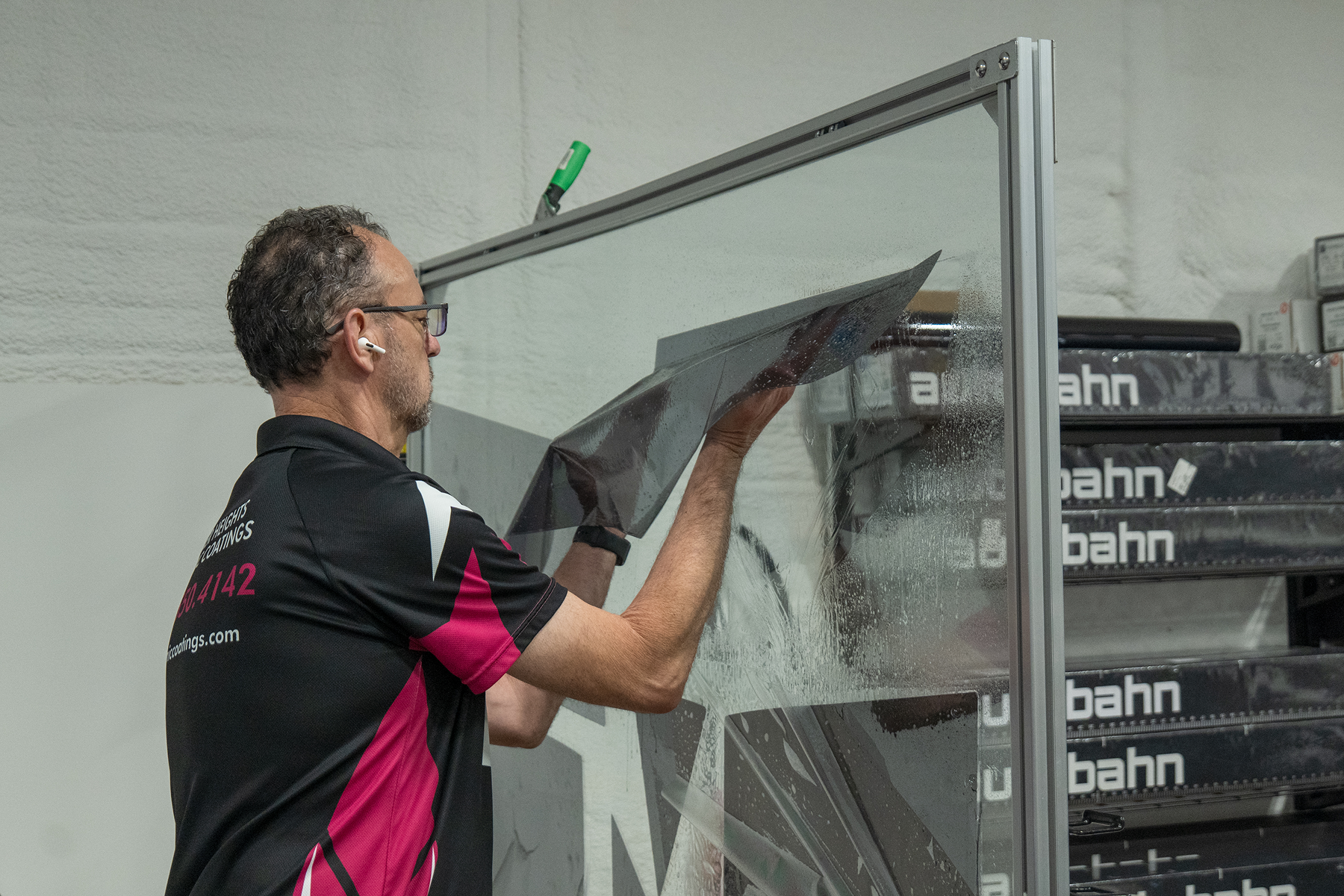
This one catches people by surprise. If your car already has tint on it, particularly old tint that is bubbling, peeling, or purple, that film has to come off before new film goes on. And removal is often the hardest, slowest part of the whole job.
Older adhesive bakes onto the glass over the years. On rear windows with defroster lines, removal takes extra care, because yanking tint off the wrong way can lift those lines and damage the defroster. A good shop charges for that time because they are doing it right. If a shop quotes you as if the glass is bare when it is not, that shop is either rushing or hoping you will not notice.
If your current film is still clean and only needs replacing by choice, that changes things. But if the old tint is coming off, build removal into your expectations.
Factor 4: The Warranty Behind the Work
Here is where low quotes often reveal themselves. The physical film and the labor are only part of what you pay for. The other part is what happens if something goes wrong down the road.
- A no-name film often comes with no warranty, or only a short-term one that is hard to redeem later.
- A quality film from a known maker, installed by a shop that stands behind it, usually comes with a lifetime manufacturer warranty.
For the films we install, Autobahn backs both ceramic tiers with a lifetime warranty, and the coverage includes a no-fault clause. If a lower quote does not come with a real warranty, you are comparing two different products.
Factor 5: The Shop Itself
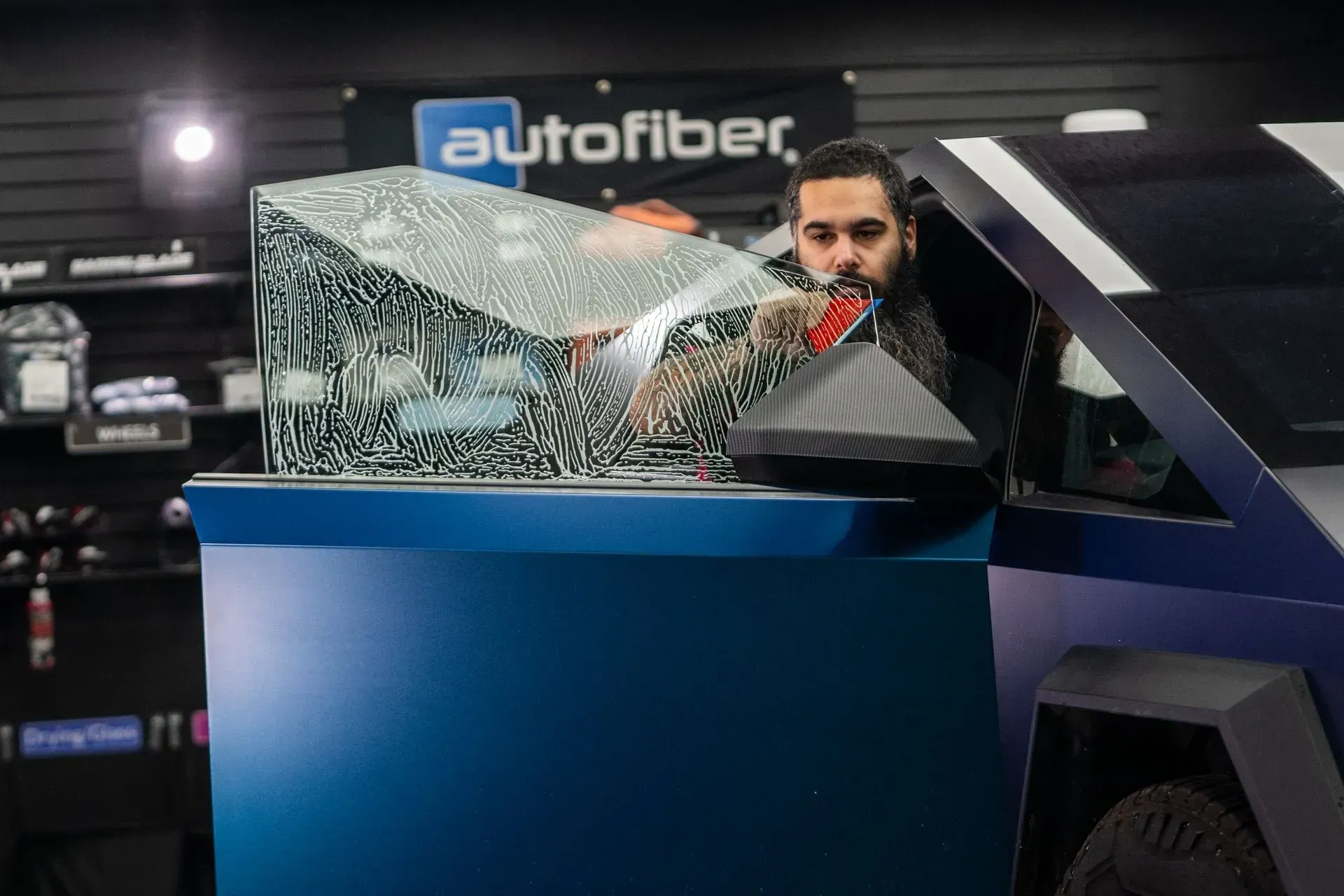
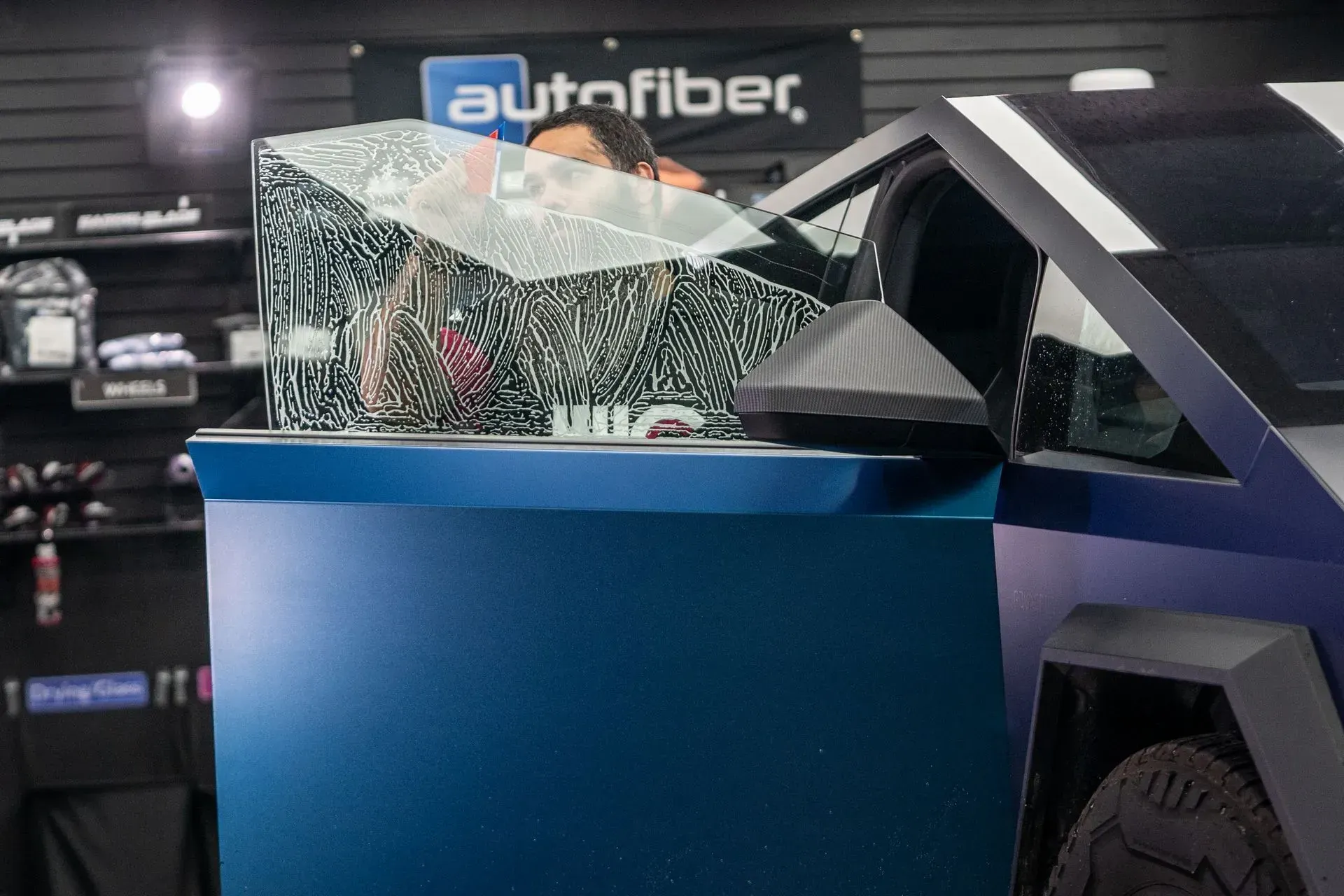
The last piece is less about materials and more about who is doing the work. Rent, insurance, experience, a controlled install bay, and training all cost the shop money, and those costs show up in quotes. A trained installer in a dust-free bay with a lifetime-warrantied film is a different offer from someone with a heat gun in a driveway. That does not automatically make the higher quote right or the lower one wrong. What it does mean is you should ask what you are getting.
How to Compare Quotes Fairly
If you have two or three quotes right now, do not just stack numbers side by side. Ask each shop:
- What film brand and tier are you installing?
- Is this ceramic, dyed, or metal?
- Does the price include removing any existing film?
- What warranty comes with the film and the install?
- Have you worked on my make and model before?
Those answers tell you whether the quotes are even comparing the same product. For a number on your vehicle, start with our
instant tint quote tool.
Get a Real Quote on Your Car
There is really only one way to find out what tinting your car costs: a quote on your specific vehicle and film choice. Send us the year, make, and model through our contact page, and we will talk you through what fits.
Frequently Asked Questions
Why do tint quotes vary so much between shops?
Different film brands, different tiers, installer experience, warranty coverage, and whether removal is included all swing the number. Two shops quoting the same car can land far apart and both be honest, because they are selling different products. Ask what film and what warranty before you compare.
Is the lowest tint quote usually a bad deal?
Not always, but often it is comparing a lower-end film with no warranty against a quality film that is covered for life. If a quote is far below the others, ask the shop what film they use, where it is made, and what happens if it fades or bubbles in two years. If they do not have a clear answer, that tells you something.
Does the color or shade of tint change the price?
Shade alone usually does not move the price much within the same film line. The bigger driver is which film tier you choose, not just how dark it is. Ask your shop whether a different shade in the same film changes what you pay.
Will I pay more for a bigger vehicle?
Yes, usually. A full-size SUV or three-row crossover has more glass, more curves, and sometimes extra panels. More glass means more film and more bay hours. A compact sedan is almost always the lowest-cost job on any given film tier.
Should I just go with the lowest quote to save money?
That is your call, but low-cost tint tends to be low-cost film with a shorter life and no real backing. If you keep the car a few years, a quality tint usually works out to less per year than replacing a bargain install. Ask about the film and the warranty before you decide.