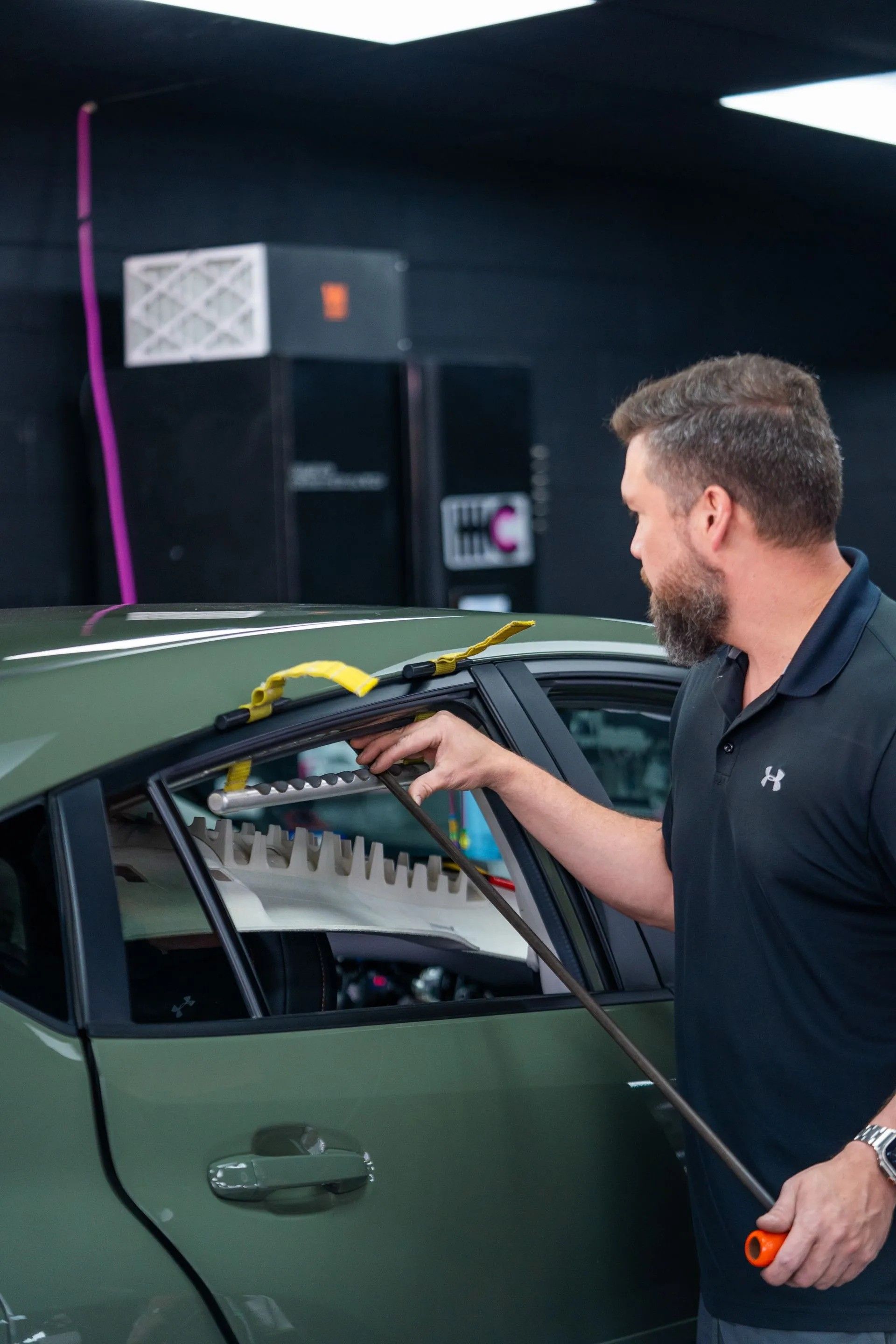
What Is Ceramic Tint and How Is It Different From Regular Tint?
If you have been getting quotes for window tint, you have probably heard the word ceramic thrown around at every shop. Some talk about it like it is magic. Some brush past it and quote you a flat film. If you are trying to figure out whether ceramic is a real improvement or just a word on the invoice, this page is for you. At Harker Heights Ceramic Coatings we install ceramic films every day, so we are going to walk through the honest answer to what is ceramic tint, how it differs from the older dyed and metal films, and when it earns the price difference.
The short version is that ceramic is a real difference, not a sales word. The longer version takes a minute, because the ceramic label covers a range of films that perform differently from one brand to the next.
The Three Main Types of Window Tint
Before you can tell what ceramic tint is, it helps to know what came before it. Window film has been through three big generations, and most shops still carry at least one of each.
Dyed film. The old school. A sheet of colored polyester with dye to block some light. It is the lowest cost tier and darkens windows fine, but it has two real weaknesses. It does not block much heat, and over a few summers it tends to fade and shift toward purple or brown.
Metal film. The next generation added small metal flakes to reflect heat and UV. Metal film blocks more heat than dyed and holds its color better, but the metal content can interfere with phone signal, GPS, satellite radio, and tire pressure sensors on some vehicles. For a newer car packed with electronics, that is a trade a lot of owners pass on.
Ceramic film. The newest tier uses tiny ceramic particles instead of metal to block heat and UV. These particles do not conduct, so your signals pass through unaffected. Ceramic also tends to block more heat at the same shade of tint, meaning you can get the heat relief you want without going as dark as dyed film would require.
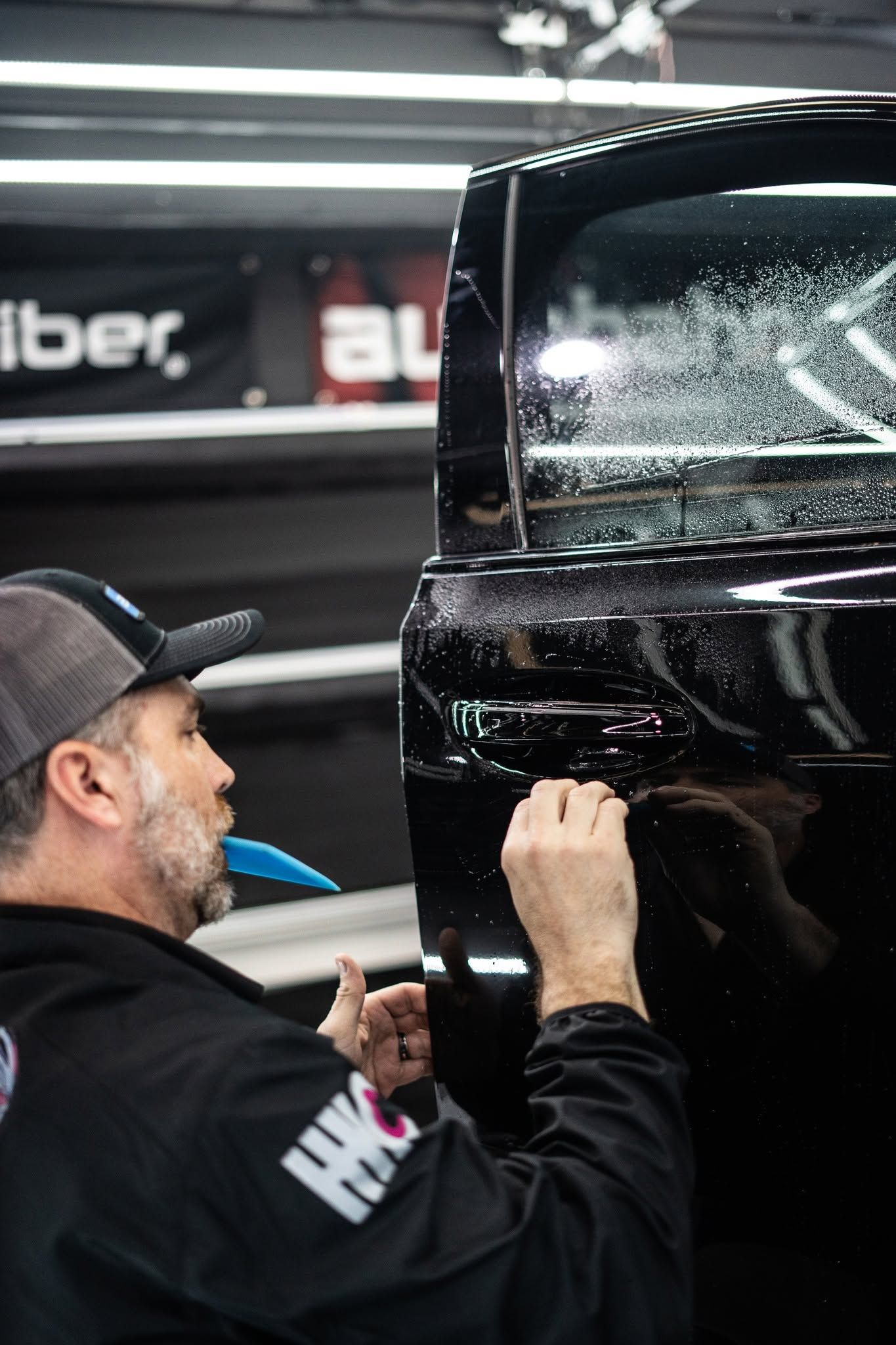
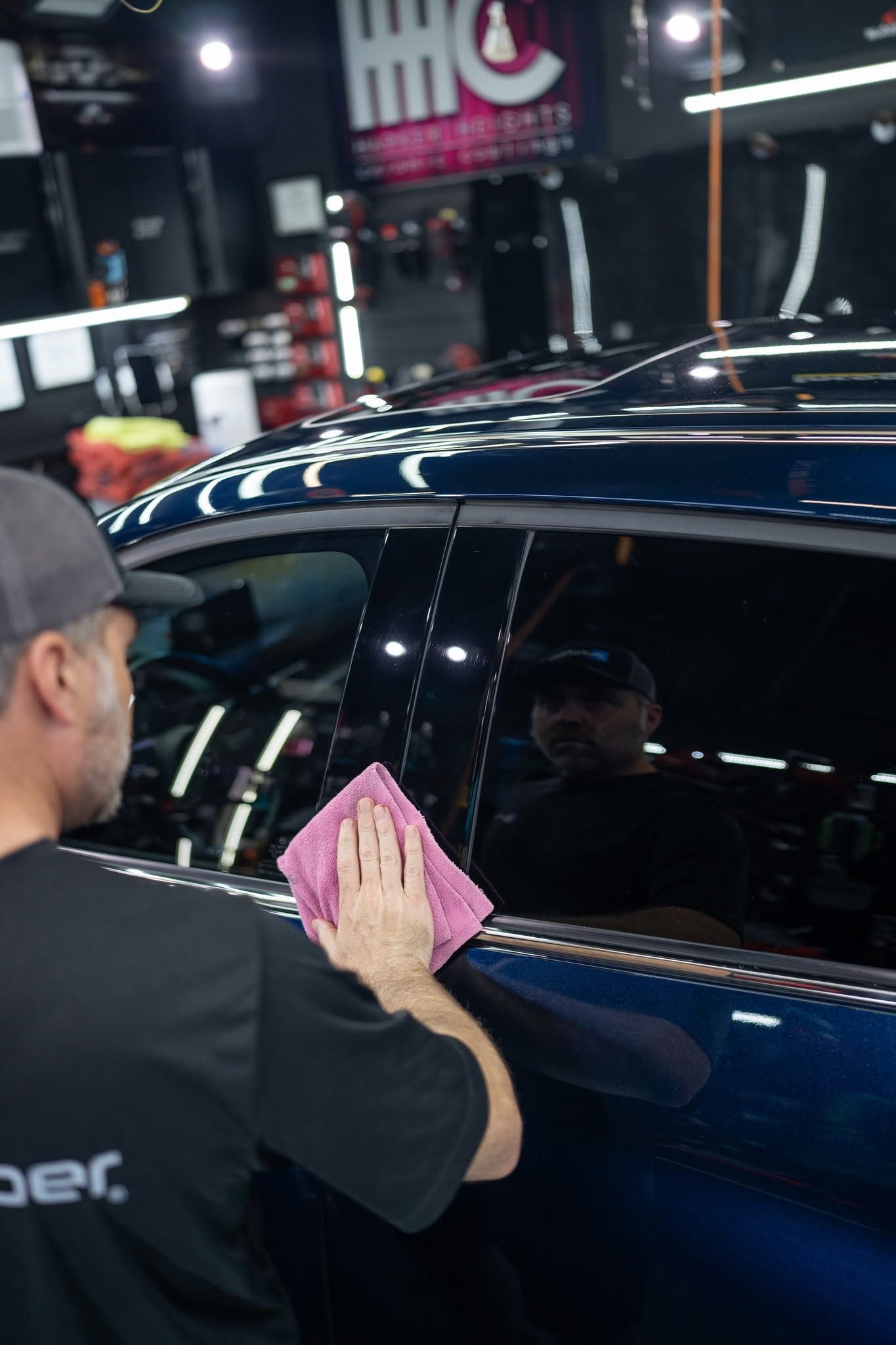
What Ceramic Actually Does Differently
Here is the piece most sales pitches skip. The reason ceramic is different is not just marketing. The physics are different.
Ceramic particles absorb and reflect infrared heat energy before it passes through the glass. Dyed film blocks light but lets most of the heat through. Metal film reflects some heat but adds the signal problem. Ceramic blocks the heat portion of sunlight while letting more visible light through, which is why a lighter ceramic can feel cooler inside than a darker dyed film.
For Central Texas drivers, that matters. We spend half the year with the sun doing real work on the car. A film that cuts the heat without forcing you into limo-dark glass is a practical win.
The Ceramic Films We Install
We install one brand of tint film, Autobahn, and on the ceramic side we carry two tiers that cover almost everything a Central Texas driver needs. Both are listed on our window tinting page.
Autobahn Black Ceramic. Our mid-tier ceramic film. Solid heat and UV rejection with a classic dark look that holds its color over Texas summers without the purple shift that lower-grade films fall into. Most daily drivers, work trucks, and family SUVs land here.
Autobahn Ceramic i3. Our top tier ceramic. Per Autobahn's published figures, Ceramic i3 rejects up to 93% of heat and 99% of UV. For a car that sits in the sun all day, or an owner who wants the leather and electronics to hold up long term, this is where the heat performance really shows itself. Many of our BMW M-series and performance-car customers go with Ceramic i3 for exactly that reason.
Both tiers include Autobahn's lifetime warranty plus a no-fault clause for added peace of mind.
When Ceramic Is Worth the Spend
Ceramic is not the right choice for every driver. If you want the lowest cost tint and only care about privacy, dyed film still does that job. For most Central Texas owners we work with, though, ceramic pays back the extra over the life of the vehicle. The math works best when:
- You park outside more than you garage the car
- You drive a late-model vehicle with GPS, satellite radio, or sensors
- You want a lighter shade on the fronts but still want heat relief
- You keep cars for years and want the film to still look right in year five
- Texas summer heat and AC load bother you
If a few of those apply, ceramic is where to put the money.
What Ceramic Does Not Do
A quick reality check, because overpromising is where this product category tends to go off the rails.
- Ceramic does not stop rock chips. That is what paint protection film is for.
- Ceramic does not make your windows bulletproof or shatter-proof.
- Ceramic does not block 100% of heat. The best film still passes some through.
- Ceramic does not legally let you tint darker than Texas law. State VLT limits apply to the finished glass, no matter the film type.
If a shop promises any of these, slow down and ask harder questions before you book.
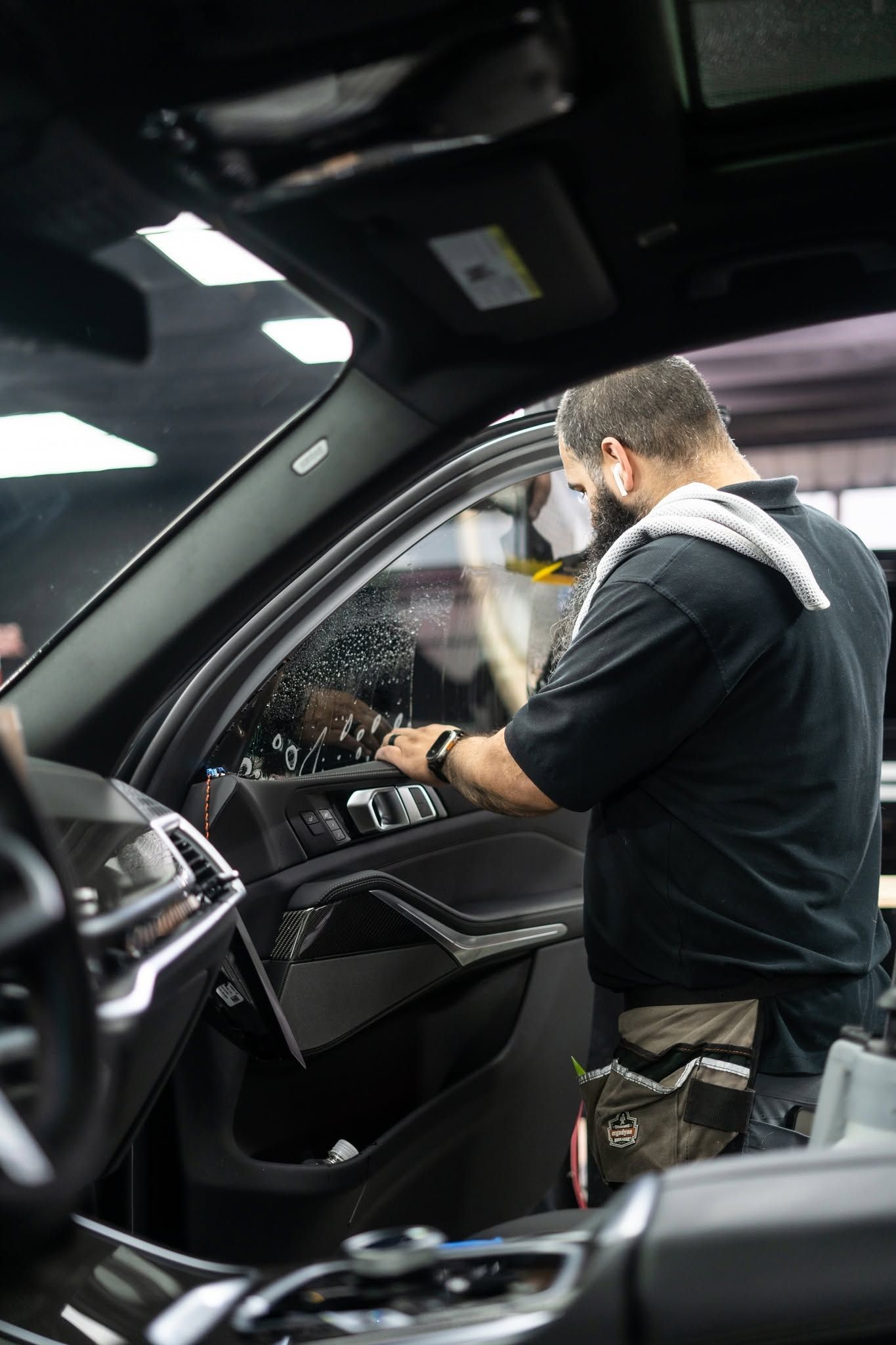
See the Film Options in Person
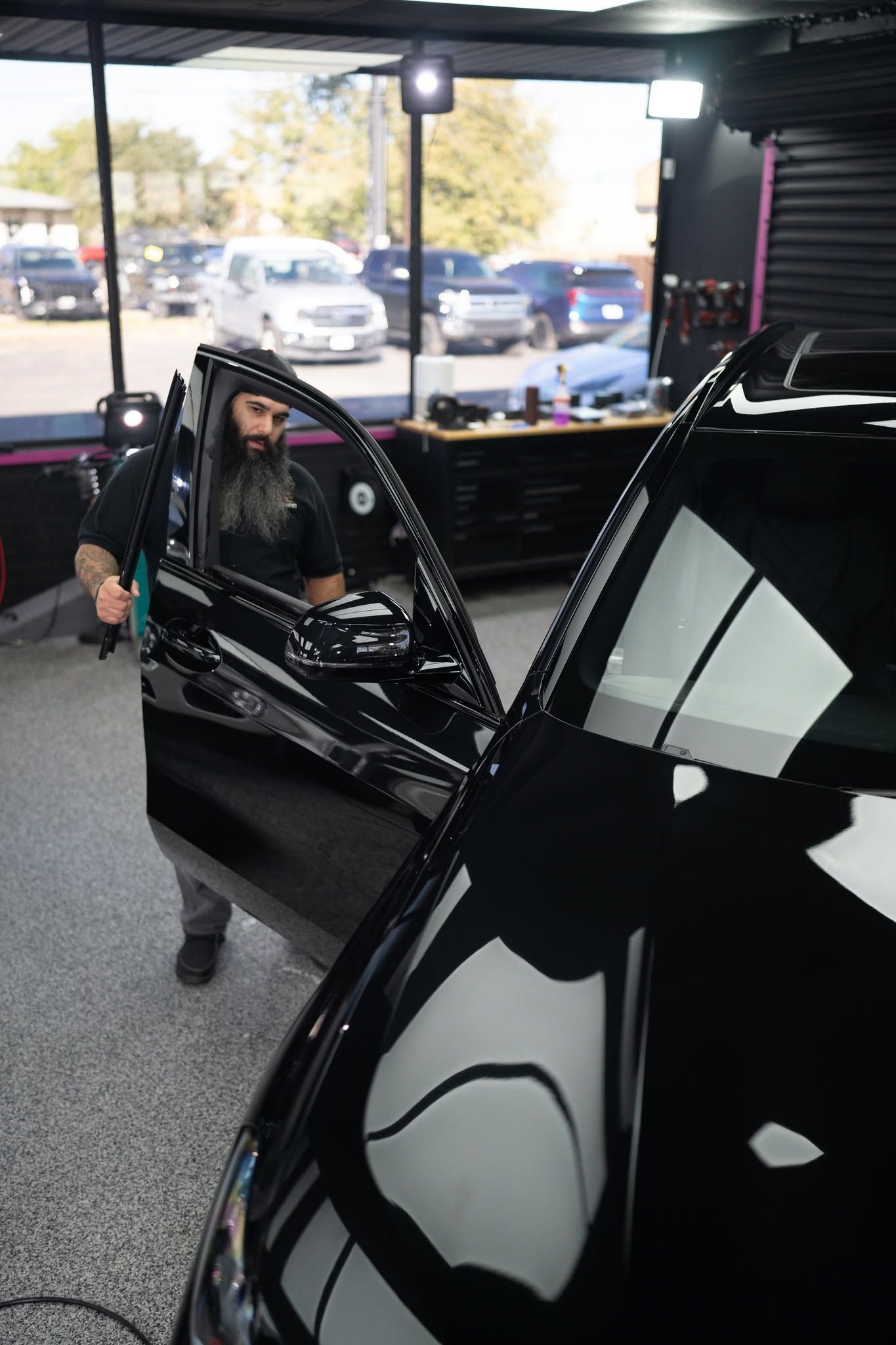
Reading about ceramic versus standard film only takes you so far. Seeing the samples side by side is where the difference clicks. We keep the Autobahn samples at the shop so you can hold them to the light, feel the thickness, and see how different shades look. If you want background first, our Killeen window tinting location page covers the local-area details.
When you are ready for a quote, send a message through our contact page. We will walk through film tiers, legal shades for Texas, and what fits your vehicle.
Frequently Asked Questions
What is ceramic tint made from?
Ceramic tint uses tiny ceramic particles layered into polyester to block heat and UV. The particles are non-metal, so they do not conduct electricity or block radio signals. That gives you heat rejection without the signal interference you get with metal films.
Is ceramic tint really better than regular tint?
For heat rejection and long-term appearance, yes. Ceramic blocks more infrared heat than dyed film at the same shade and holds its color far longer. If privacy is the only priority and cost is the main driver, dyed film still works. For most drivers who care about heat and durability, ceramic earns the price difference.
Will ceramic tint look darker than regular tint?
Not inherently. Ceramic films come in the same shade range as dyed and metal films. The difference is that ceramic blocks more heat at any given shade, so you can go lighter and still get real cooling.
Does ceramic tint block my phone or GPS signal?
No. Because the particles are ceramic rather than metal, signals pass through unaffected. That is one of the main reasons ceramic took over from metal film for drivers with modern vehicles full of electronics.
How long does ceramic tint last?
A properly installed quality ceramic film can last many years. Exact lifespan depends on the specific film, how the car is used, and the weather conditions it lives in. Autobahn's lifetime warranty on both of our ceramic tiers covers fading, bubbling, and color shifting.