Does Insurance Cover Paintless Dent Repair? What to Know Before You File
You got a dent. Maybe from hail, maybe from a shopping cart, maybe from someone who backed into your parked car and drove off. Now you are staring at your car in the driveway wondering whether to file with insurance or just pay out of pocket.
Reasonable question. So does insurance cover paintless dent repair, and when does filing actually make sense? Fair to want a straight read on both sides before you pick up the phone.
We have walked plenty of customers here in Central Texas through this exact decision. Some filed, some paid out of pocket, and both were the right call for their situation. This article covers when insurance actually pays for paintless dent repair, the difference between the two main coverage types, the math on your deductible, and what changes when the damage is not hail. Insurance rules apply to a much broader set of situations than most articles cover.
The Short Answer
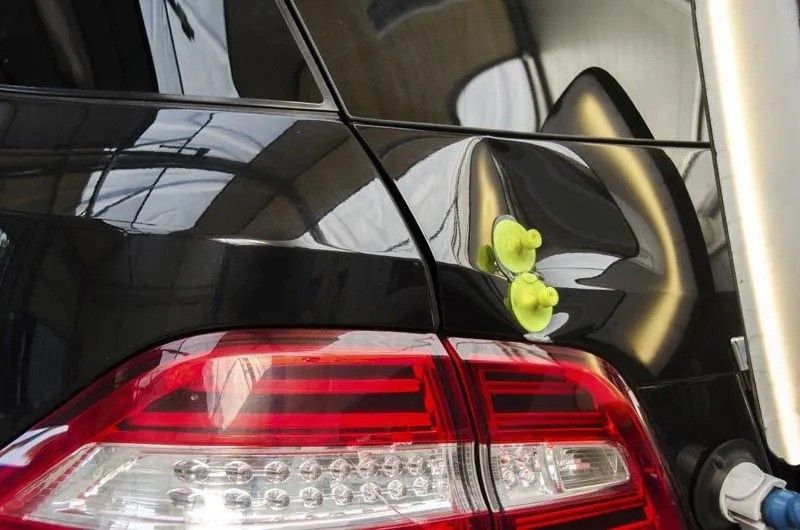
Yes, insurance often covers paintless dent repair when the damage is covered under your policy. The catch is that not every dent is a covered event, and not every covered event is worth filing on.
Whether you should file depends on the deductible, the damage total, and how the situation is handled by your specific insurer. That call is yours to make. What we can do is give you the information to make it well.
The Two Coverage Types That Matter
Auto insurance policies typically have separate sections for different kinds of damage. Two of those matter most for dent repair.
The non-collision portion of your policy handles things outside your control. Hail, falling branches, hitting a deer, vandalism, theft, and fire fall under this. If you have this coverage and something in this category damages your car, paintless dent repair is usually paid for after your deductible.
The collision portion covers damage from vehicle accidents. Rear-ended in traffic, hit a guardrail, hit another vehicle. If the damage came from a collision, this is the section that applies.
Then there is liability, which pays for damage you cause to other people or their property. That does not cover your own car.
Most policies bundle these together as "full coverage," but they are separate coverages with separate deductibles. Check your declarations page to confirm what you have.
When Filing on a Dent Actually Makes Sense
Insurance is a good tool for the right situation and a poor tool for the wrong one. Here is our read on when it makes sense to file for paintless dent repair.
Filing usually makes sense when:
- The damage total is well above your deductible with real breathing room
- Your policy includes both non-collision and collision protection
- The damage came from a covered event like a storm, vandalism, hit and run, or an at-fault crash by another driver
- The repair bill is heavy enough that the deductible feels small next to the total
Filing may not be the right call when:
- The dent is small and repair pricing lands near or under your deductible
- Your vehicle is older and you prefer not to add a claim to the record
- You would rather not risk any bump to future rates
- The damage is minor and paying cash keeps things simple
There is no one-size-fits-all answer here. The math is specific to your policy and your situation.
The Deductible Math
Here is how the deductible works. Your insurance pays the repair total minus your deductible. So when your policy deductible is one number and the repair estimate is well above it, filing usually saves you money. When repair pricing lands near your deductible or under it, filing does not save you much and adds paperwork.
Say the paintless dent repair estimate is a modest number. Your deductible is set at an amount that eats most or all of that. Filing gets you little back. Paying out of pocket keeps things simpler and avoids a claim on your file.
Now say the repair is heavier. Full-vehicle hail, multiple panels, real damage. Your deductible becomes a small portion of the total, and filing makes clear sense. That is where insurance is doing what insurance is designed for.
For hail specifically, our shop can help with the deductible when total damage passes a certain threshold. More on that on our hail repair insurance claim page.
Other Situations Where Insurance Applies to Dent Repair
Most articles on insurance and paintless dent repair focus only on hail. In practice, insurance applies in a wider set of situations. Here are the ones we see in the shop.
Vandalism Damage
Someone keyed your car, kicked a panel, or otherwise intentionally damaged it. If the damage is a dent without cracked paint, paintless dent repair may fit. The non-collision portion of your policy handles vandalism, so filing is usually an option.
Hit and Run in a Parking Lot
Common one. Someone dents your car and drives off without leaving contact information. How this gets covered depends on your specific policy. Some carriers handle it under an uninsured motorist provision; others under the non-collision portion. Check with your insurer to see how yours handles it.
Falling Objects
A tree branch, ice from a truck, a shopping cart that rolled hard into your car. These typically fall under the non-collision portion. If the damage exceeds your deductible, filing is a real option.
Deer or Animal Impact
Hitting a deer or having one hit your car is often placed under the non-collision portion in many policies, which matters because the deductibles and rate implications can differ from a collision claim. Every policy handles this a little differently, so confirm with your agent.
Minor Collision by Another Driver
If another driver was at fault and their insurance is handling the claim, paintless dent repair is often paid through their policy rather than yours, which usually means your deductible is not touched. The specifics still depend on how each side's insurance handles it.
What Changes When It Is a Door Ding
Door dings from parking lots are a special case. Most door dings are too small to justify filing. The repair total is usually well under a typical deductible, and adding a claim to your file for a small dent does not make sense.
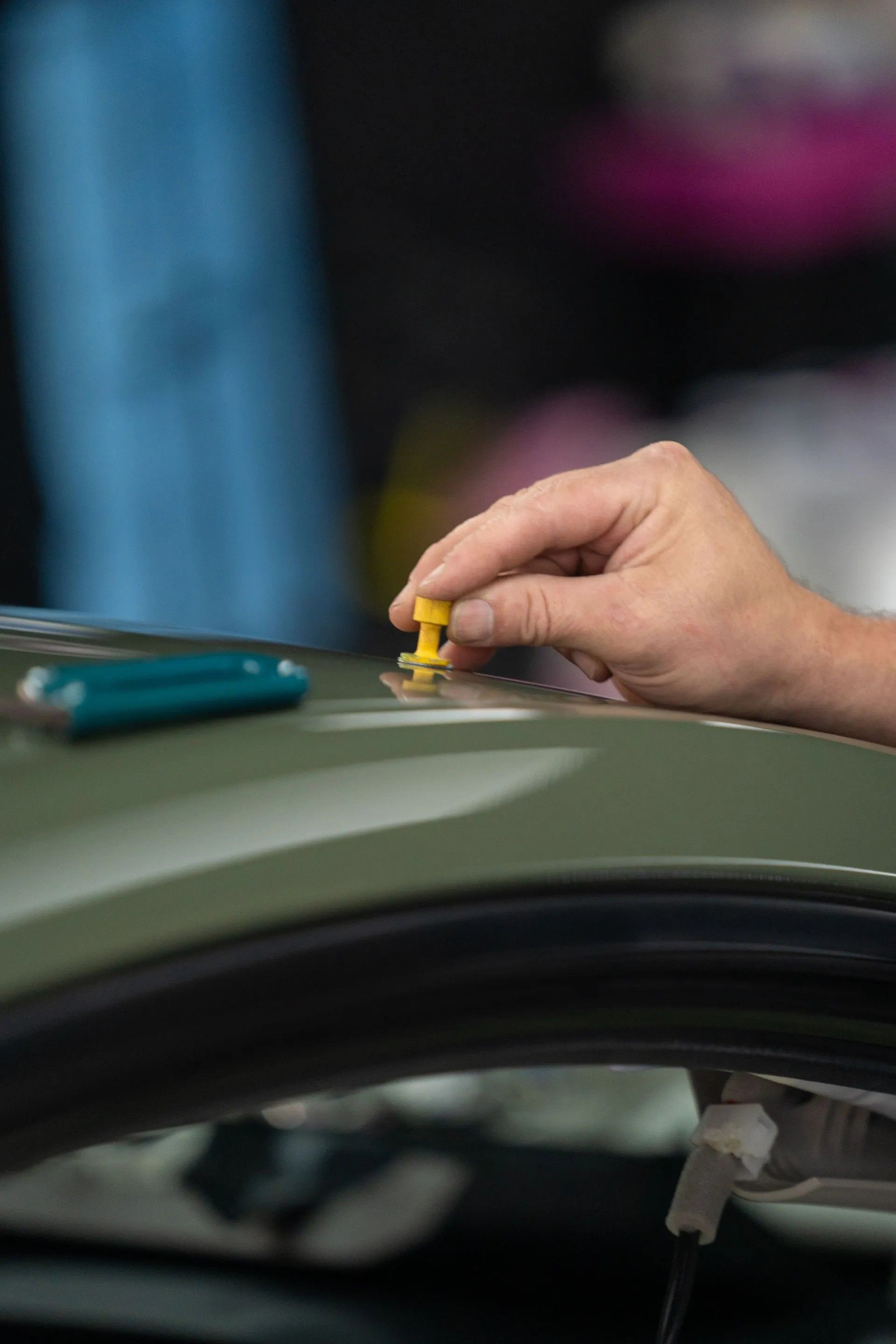
If the dent is bigger, or if it happened as a hit-and-run and you have the coverage that pays for it, filing may make sense. Most of the time, door ding repair is a cash-out-of-pocket situation. Which is fine, because paintless dent repair for a single small dent is often reasonable in cost. Local drivers can see our Harker Heights paintless dent repair page for context.
How We Handle the Insurance Side
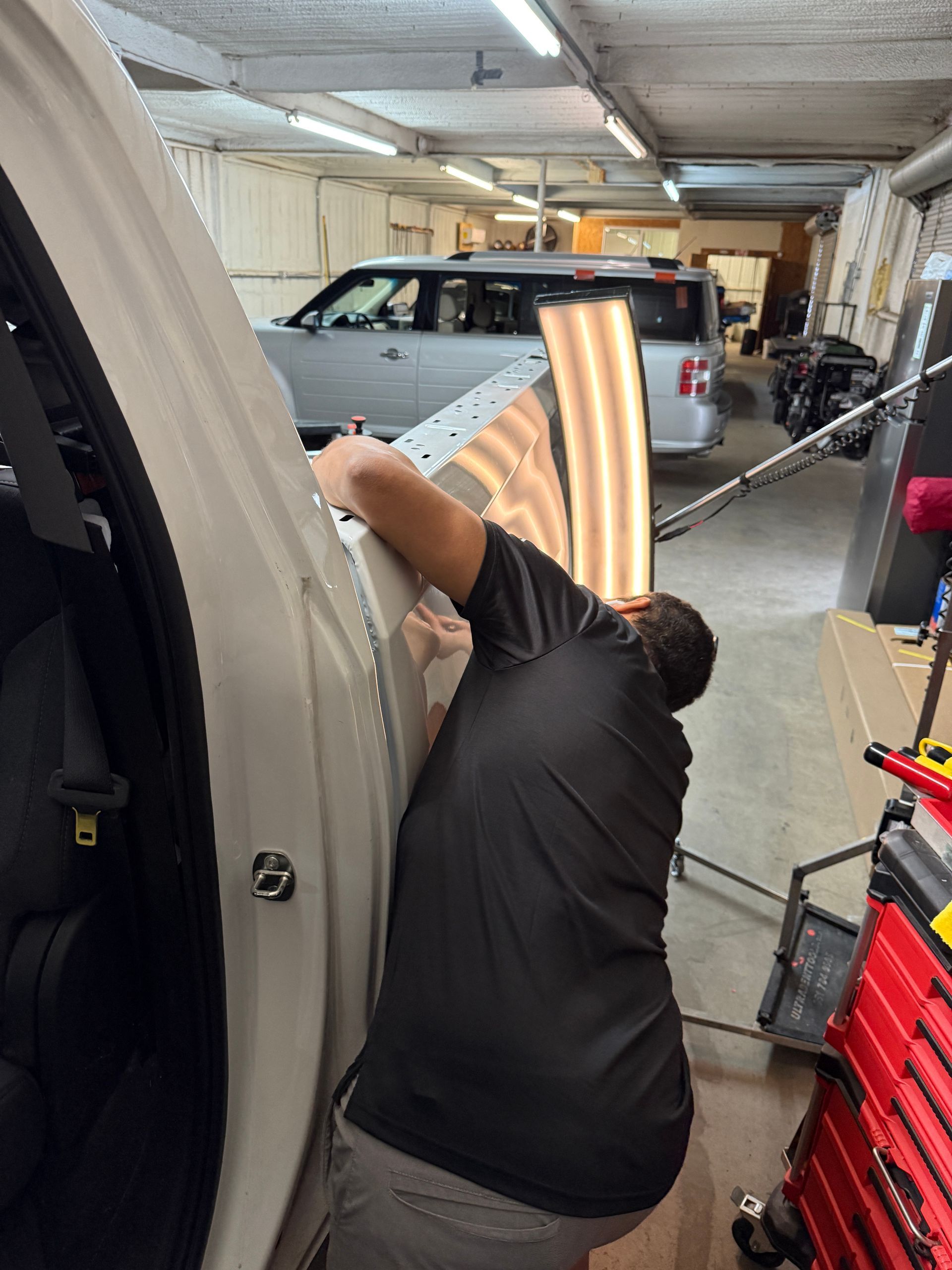
When you do file and the damage fits paintless dent repair, we do our part to make it smooth. That includes writing an honest estimate, communicating with the adjuster, filing supplements if the work turns up additional damage not on the original write-up, and getting the documentation the insurer needs.
We are not the ones making the decision on whether the claim goes through. That is between you and your insurer. What we can do is show up prepared with a real estimate and complete documentation, which speeds the process considerably.
Stop In and We Will Talk Through Your Situation
If you have a dent and are not sure whether to file, drive over to the shop. We can write an estimate for you and talk through the trade-offs based on what we see. Sometimes the answer is file, sometimes it is not, and either way you go in with better information.
Reach out through the contact page or begin at the Harker Heights Ceramic Coating home page.
Frequently Asked Questions
Will filing a claim for paintless dent repair raise my rates?
Depends on the specifics. Weather-related claims and driver-caused claims tend to be handled differently by insurers, but the actual rate impact varies by company, state, and your claim history. Worth bringing up with your own agent before filing, since only they can speak to your specific policy.
Do I have to take my car to the shop my insurance suggests?
Shop-choice rules differ by state and by policy. Some insurers point you toward specific shops, but the choice is often still yours. Ask your insurer about your specific situation, and check your policy documents for the actual language.
How do supplements work in insurance claims?
If the initial estimate misses damage that shows up once the shop starts working, they submit a supplement to the insurance company to update the total. This is common with hail claims where the adjuster may miss dents on a fast walk-through. Supplements protect you from a low estimate, but they add some wait time to the repair.
What if the other driver is at fault?
When another driver is at fault, and their insurance handles the claim, the process typically runs through their policy rather than yours, which usually means your deductible is not touched and your rates are not impacted the same way. Exchanging insurance information with the other driver at the scene is standard, and either insurer can walk you through the specific next steps for your situation.
Is filing worth it for one door ding?
Usually not. Most door ding repair totals fall close to or below a typical deductible, so filing gets you little back and adds a claim to your file. Many drivers end up paying cash for small dings and saving the insurance filing for larger events, though every situation is different, so a quick call to your agent can settle it for your specific policy.