The Role of PPF in Preserving Factory Paint on New Vehicles: Benefits and Protection Explained
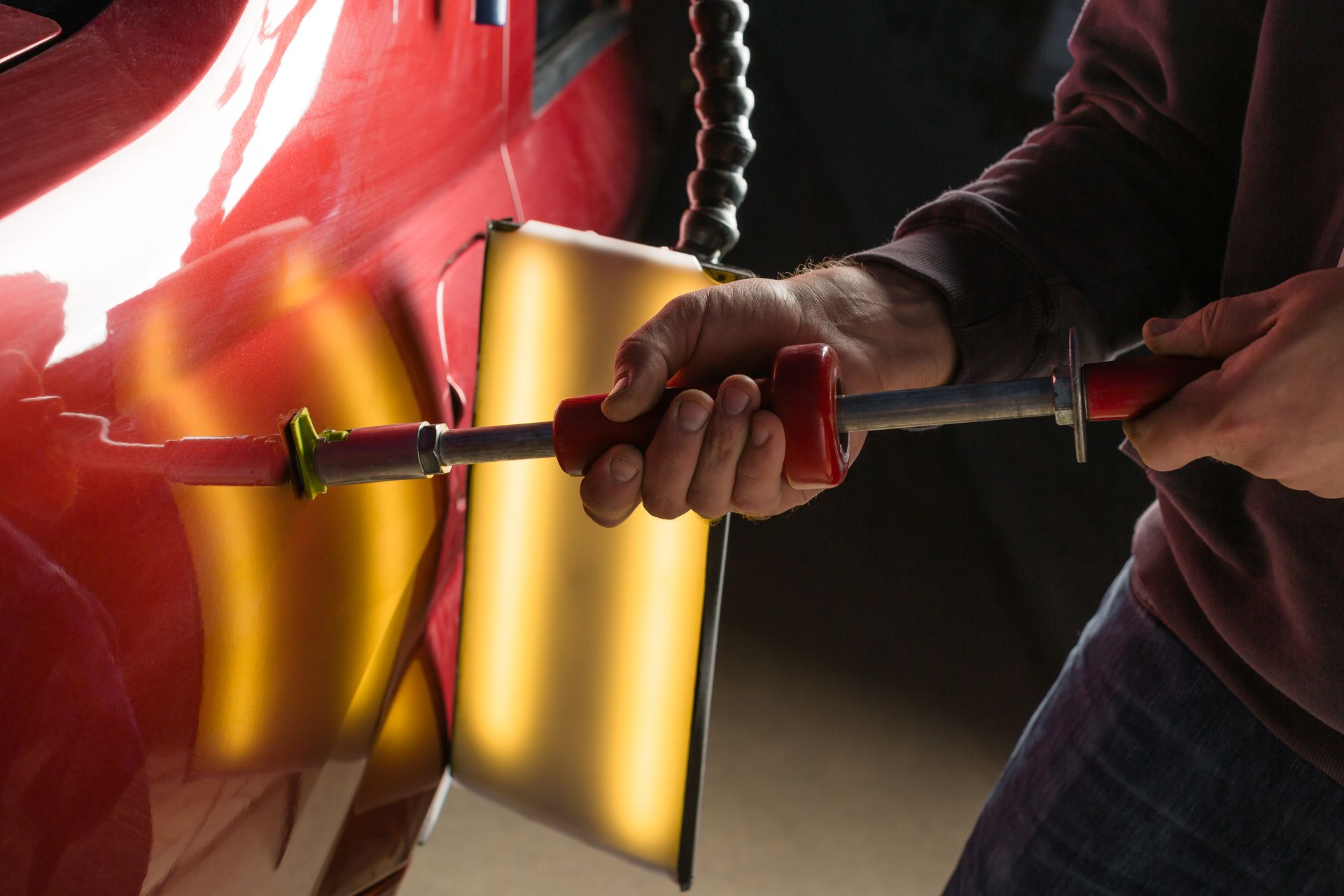
When you drive a fresh new car off the lot, keeping that flawless paint job looking perfect feels like a win. However, everyday hazards like tiny rocks, bugs, and sun can chip away at that shine faster than you'd expect. That's where paint protection film, or PPF, steps in as a clear, tough shield that guards your vehicle's paint without changing how it looks. If you've ever wondered how to keep your car's finish showroom-fresh for years without constant touch-ups, understanding how PPF works might just change the way you think about caring for your ride. Paint protection film serves as a physical barrier that safeguards the factory paint on new vehicles from rock chips, scratches, and other physical damage, thereby maintaining the car's original appearance. By applying high-quality PPF to key areas such as the front end, door handles, and mirrors, owners can protect their vehicle's paint for many years, which enhances resale value and keeps the paint looking pristine.
Benefits of PPF on New Vehicles
One of the strongest advantages of PPF is how effectively it preserves the factory paint, keeping your car looking fresh off the lot for years. Acting as a resilient physical barrier, it shields against rock chips, bug splatter, and minor abrasions that daily driving inevitably brings. This isn't just surface-level protection; it's a safeguard that stops damage before it can penetrate and dull the paint beneath. Preserving that pristine finish carries more than cosmetic value. A well-maintained exterior improves your vehicle's resale potential significantly. Cars coated with high-quality PPF often command higher trade-in values and attract buyers who recognize the care invested in maintenance. Moreover, vehicles with comprehensive PPF coverage retain their showroom appeal for five to seven years longer under typical road conditions.
Beyond abrasion resistance, PPF offers built-in UV protection that blocks harmful ultraviolet rays. This is crucial because prolonged sun exposure is a silent enemy of automotive paint. It accelerates fading and oxidation, leaving your car looking dull and aged prematurely. By filtering out those rays, PPF acts like sunscreen for your vehicle. Another remarkable feature embraced by enthusiasts is the self-healing technology found in many modern films. Minor scratches caused by everyday use, such as small branch scrapes or light parking lot mishaps, can vanish within 24 to 48 hours when ambient temperatures exceed about 70°F. This healing process uses the film's elastic properties to smooth out surface imperfections without requiring any intervention from you.
Chemical resistance further sets PPF apart as an essential shield. Environmental hazards such as bird droppings, acid rain, and road salts are notorious for eating away at factory paint if left unattended. The film puts up a durable barrier that resists corrosion and staining, preserving not only beauty but also structural integrity over time. For owners of vehicles valued at $50,000 or more, particularly those intending to keep them five years or longer, an investment in quality PPF is wise. It can be focused on high-impact zones like front bumpers, hoods, door edges, side mirrors, and rocker panels, where chips occur most frequently. Applying film thoughtfully around these areas maximizes protection while controlling overall costs. When considering PPF installation, choose films with documented performance guarantees and work with reputable installers who understand the nuances of application. Properly installed films ensure both aesthetics and long-term durability, avoiding issues like yellowing or bubbling down the line.
Protection Against Physical Damage
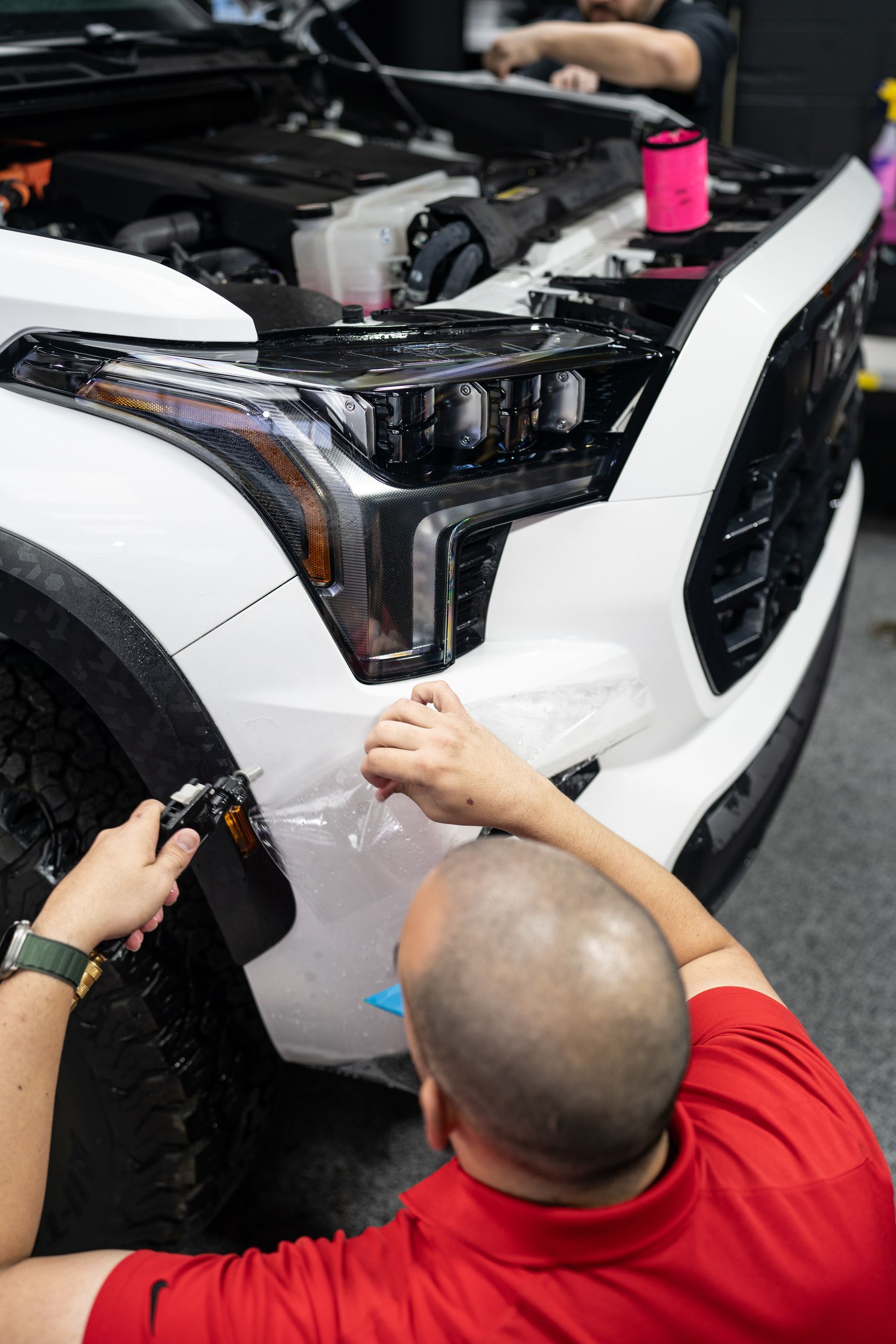
Paint protection film serves as a resilient shield for your car's factory paint, especially in spots most vulnerable to wear and tear like the front bumper, hood, and side mirrors. It acts like a second skin, a clear plastic layer designed to absorb shocks and impacts that would otherwise leave unsightly chips or scratches. The thickness of PPF, generally ranging between 150 and 300 microns, gives it impressive toughness, making it able to withstand many daily hazards on the road. Consider that even minor stone strikes can cause paint chips that not only look bad but can also lead to rust over time if left untreated. Paint protection film mitigates this risk by dispersing what would be damaging energy from these impacts over its tougher surface. This difference translates directly into fewer repair needs and helps preserve your vehicle's value.
Over years of use, PPF has proven effective in reducing paint chip damage significantly. Its self-healing properties are another standout advantage. Minor abrasions and swirl marks can gradually disappear when the film is exposed to temperatures above 77°F. This means small flaws often mend themselves overnight, keeping the film and, by extension, your paint looking pristine without extra effort from the owner. For maximum protection, it's wise to install thicker films on highly exposed areas. The front end is the highest priority because these zones face the largest volume of debris and impact risk. Door handles and side mirrors also benefit significantly from this reinforcement. The choice between professional installation versus a DIY approach also makes a significant difference here. Professionals ensure an even application without air bubbles or stretching issues, which can compromise protection and aesthetics. Poorly installed film may peel prematurely or develop edges that trap dirt and moisture, potentially harming your paint rather than saving it. Given that PPF removal and replacement can be costly and labor-intensive, investing upfront in quality installation pays dividends long-term. A carefully applied film promises better adhesion, uniform thickness, and consistent protection where you need it most.
Application Process: DIY vs. Professional
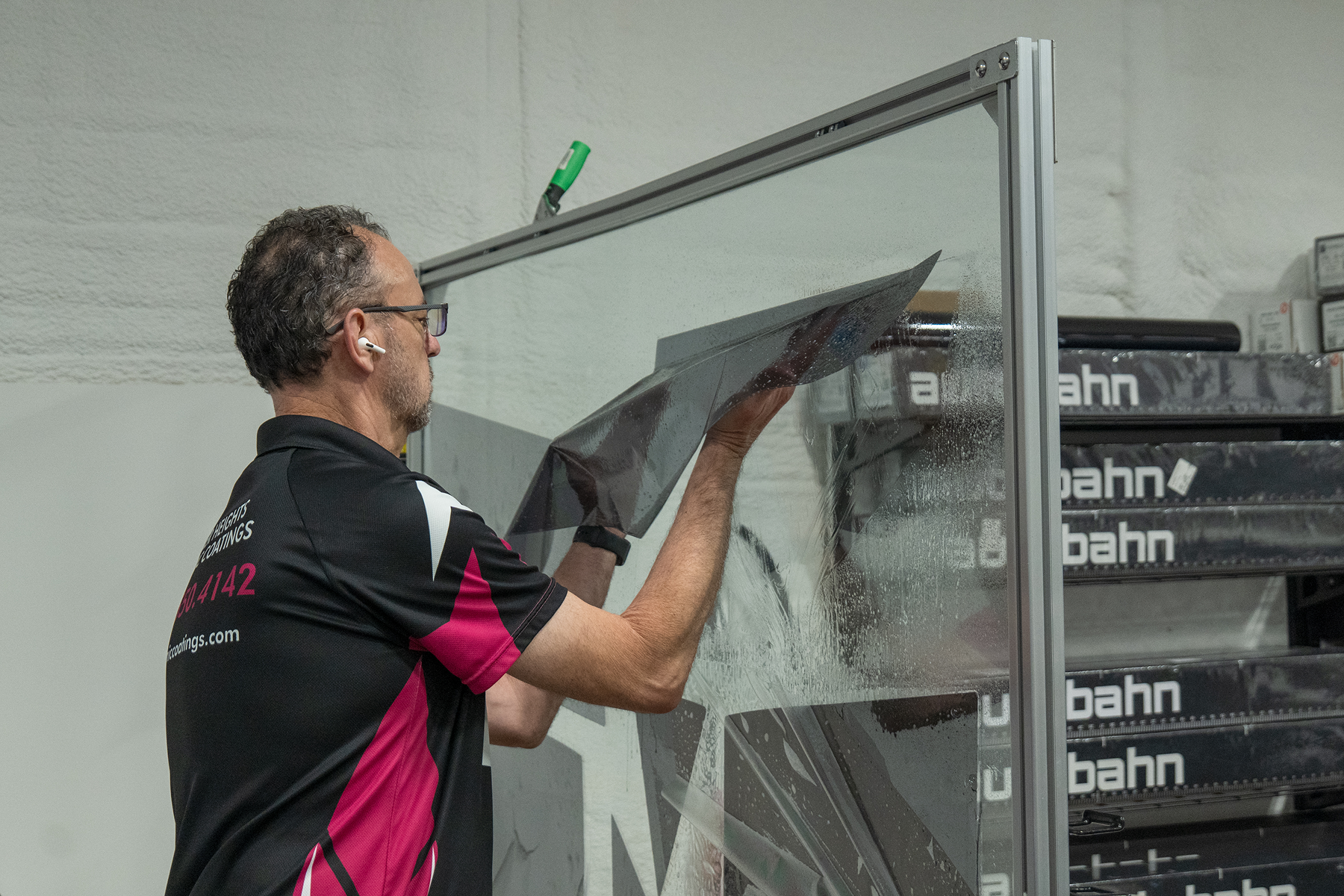
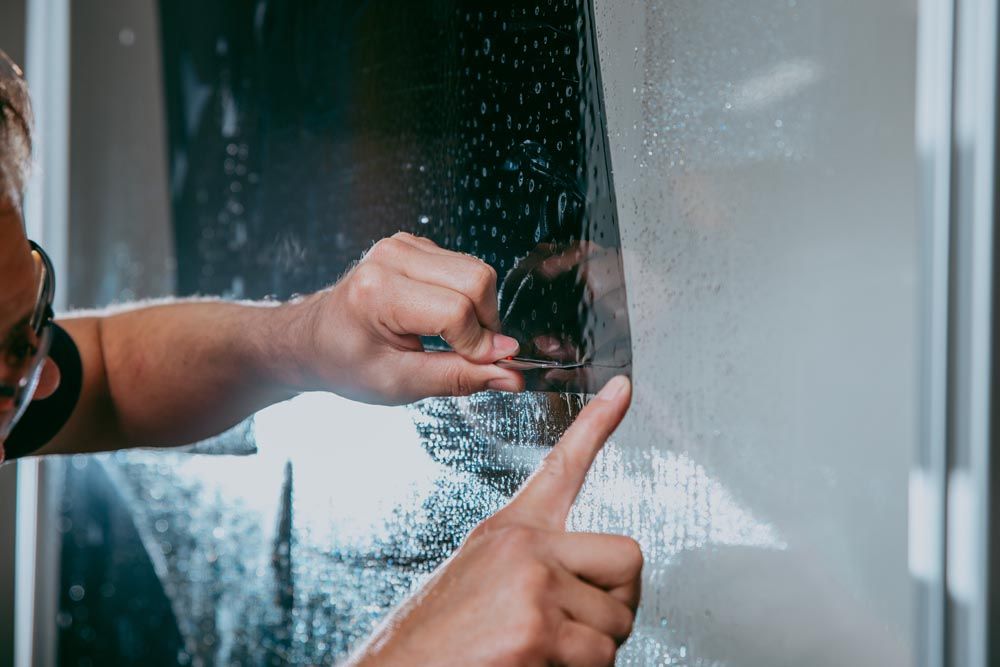
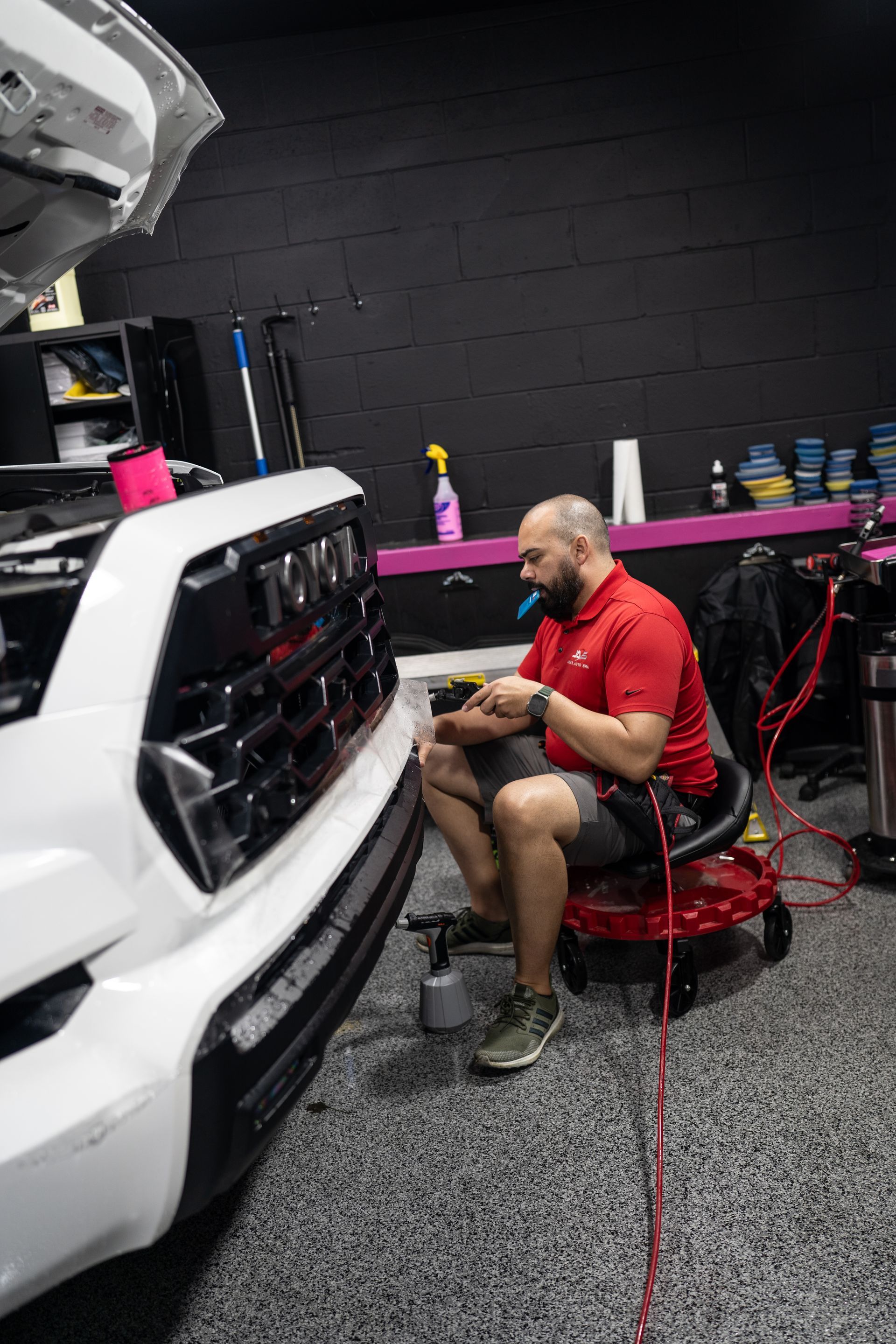
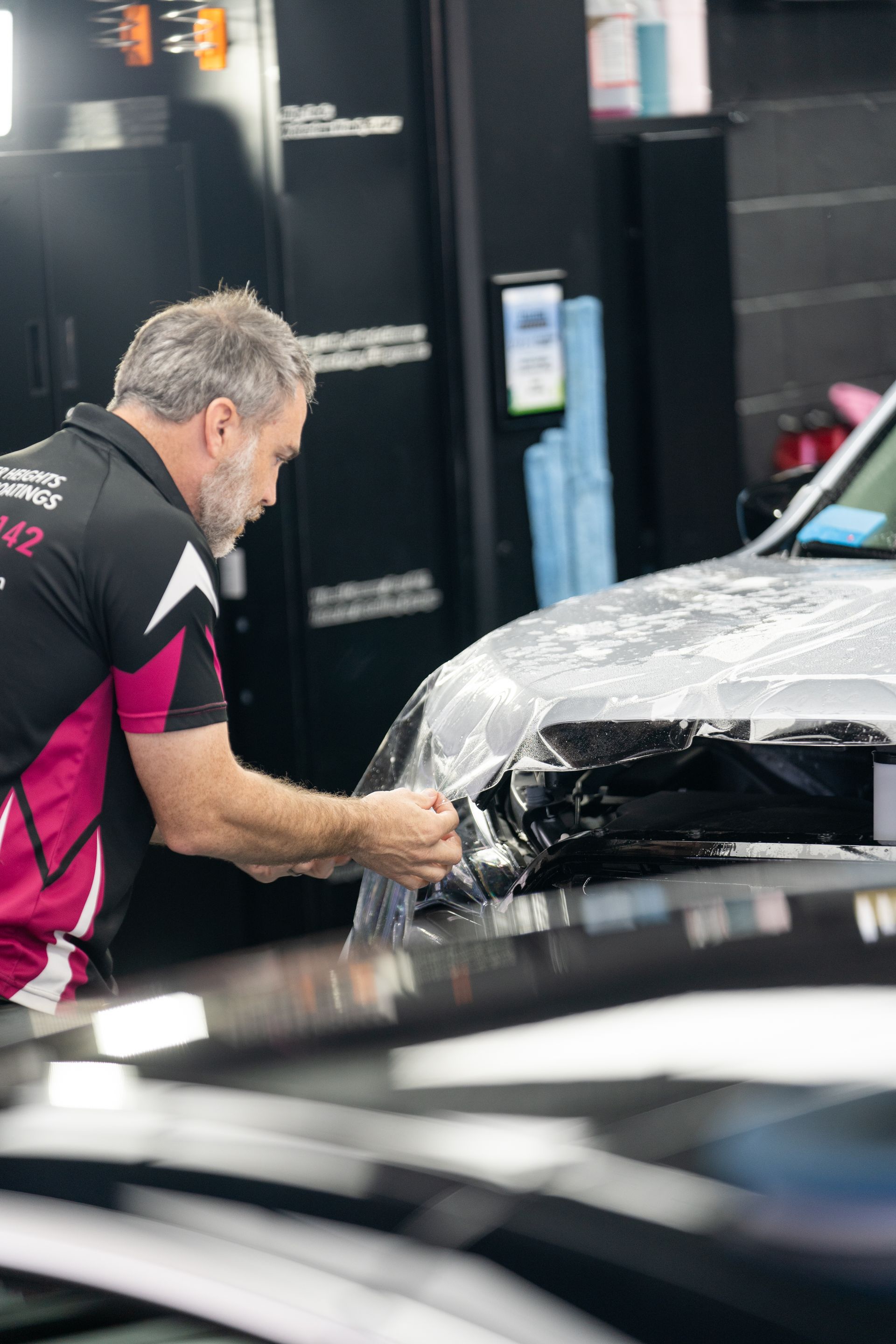
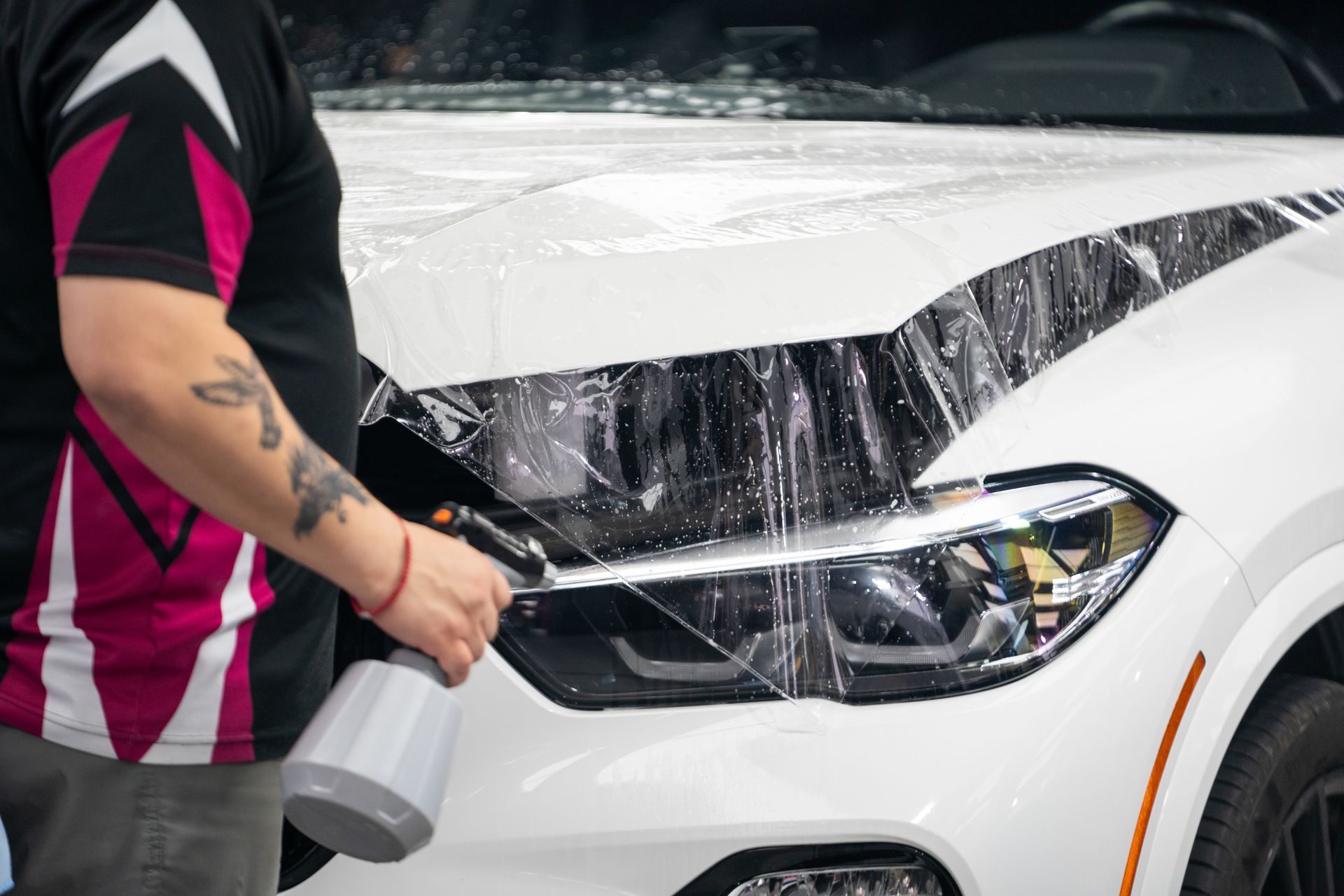
Applying paint protection film is an exercise in patience and precision. When you choose to do it yourself, you're signing up for a project that requires steady hands, a keen eye, and a commitment to learning. Many car enthusiasts find the DIY route appealing because it offers significant savings compared to professional installation. Those numbers can vary widely when you consider full-vehicle wraps versus partial coverage. Beyond cost, DIY affords you total control and flexibility. You can work on your own schedule, and there's undeniable satisfaction in completing the installation with your own hands. However, this convenience comes with real challenges. The film must be cut precisely, aligned perfectly, and applied with no trapped air bubbles or wrinkles. Each step demands meticulous attention; otherwise, the final result can look rushed or unprofessional. Moreover, prep work like thoroughly cleaning your vehicle's surface beforehand is non-negotiable. Without that, dust or oils will compromise adhesion and long-term durability.
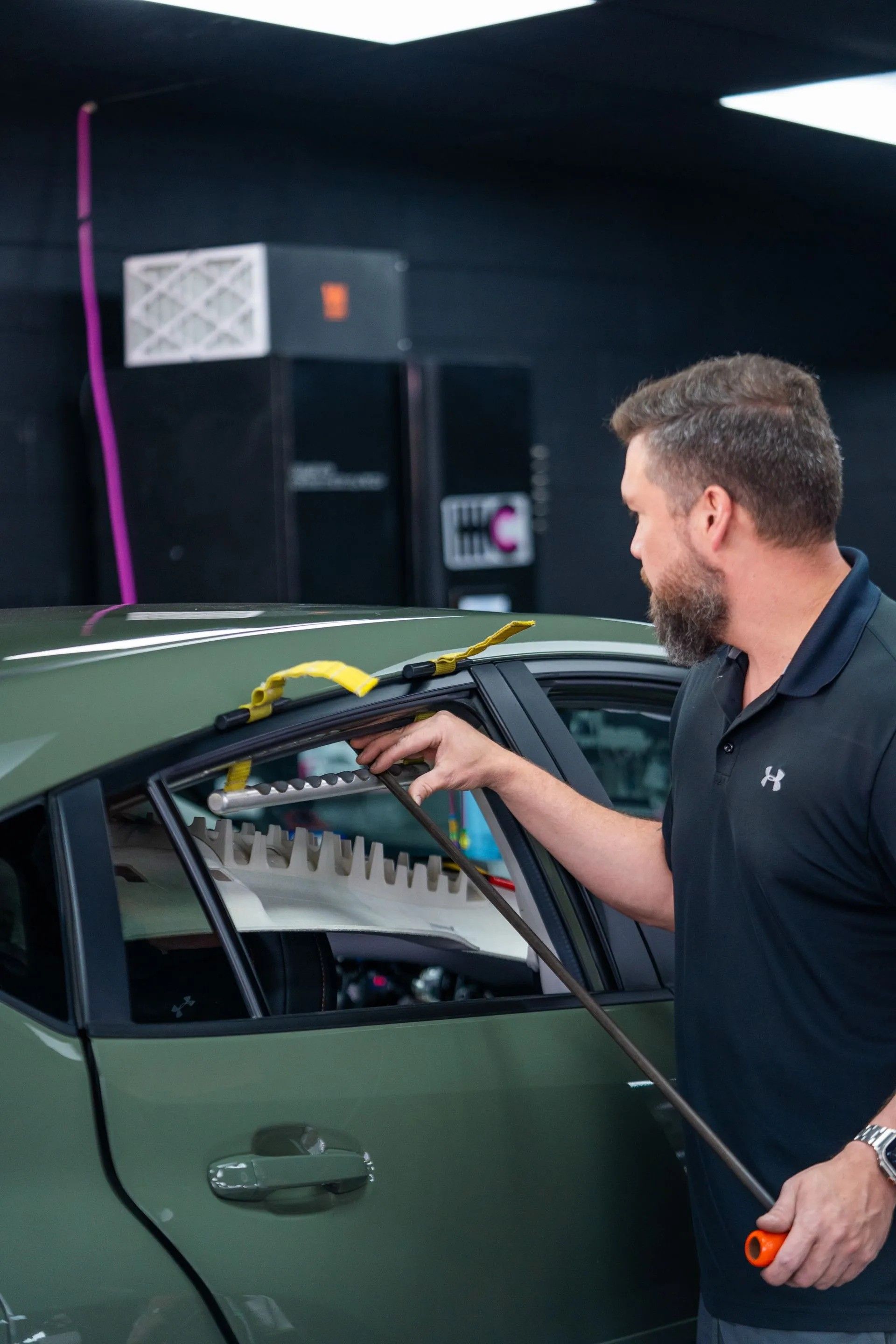
On the other hand, professional installation delivers an experience stripped of guesswork. Professional detailers bring training and experience that often translates into near-flawless application with smooth edges, invisible seams, and no bubbling even after weeks of wear. This expertise proves invaluable, especially when covering complex contours like bumpers or side mirrors. What also sets professionals apart is their access to controlled environments that minimize contamination risks during application. Still, that assurance comes with a price tag many find steep depending on your vehicle size and desired coverage level. Given these contrasts, your choice hinges on priorities. If cost savings fuel your decision and you possess patience plus a willingness to learn, DIY options are designed with careful instructions and customer support to guide novices toward professional-caliber results. Alternatively, if convenience and perfection top your list and your budget permits, professional installers mitigate risk and deliver peace of mind. Whether you choose to tackle the project yourself or entrust it to professionals, understanding these differences helps ensure your vehicle's paint receives effective protection without surprises.
Maintenance Tips for Longevity
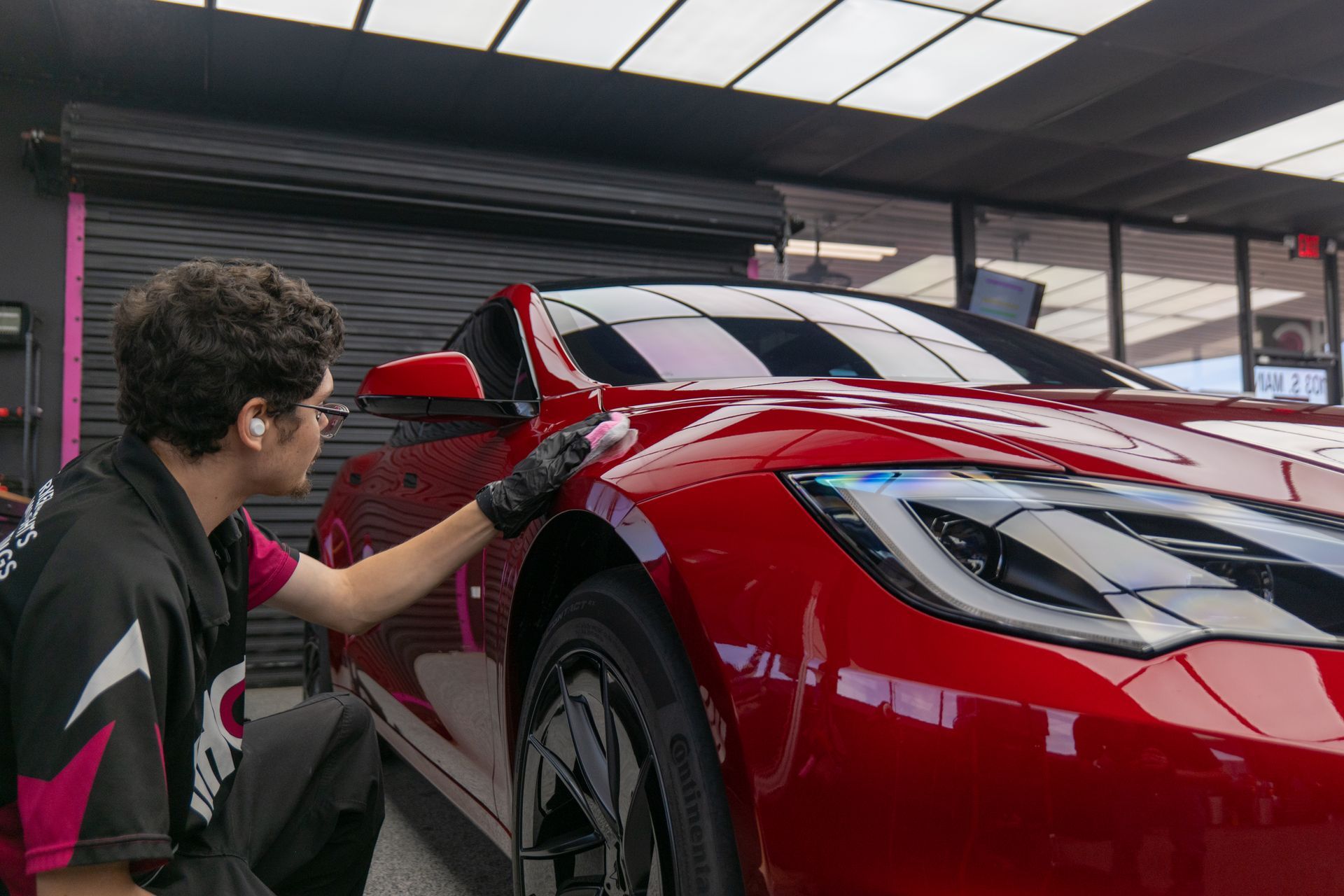
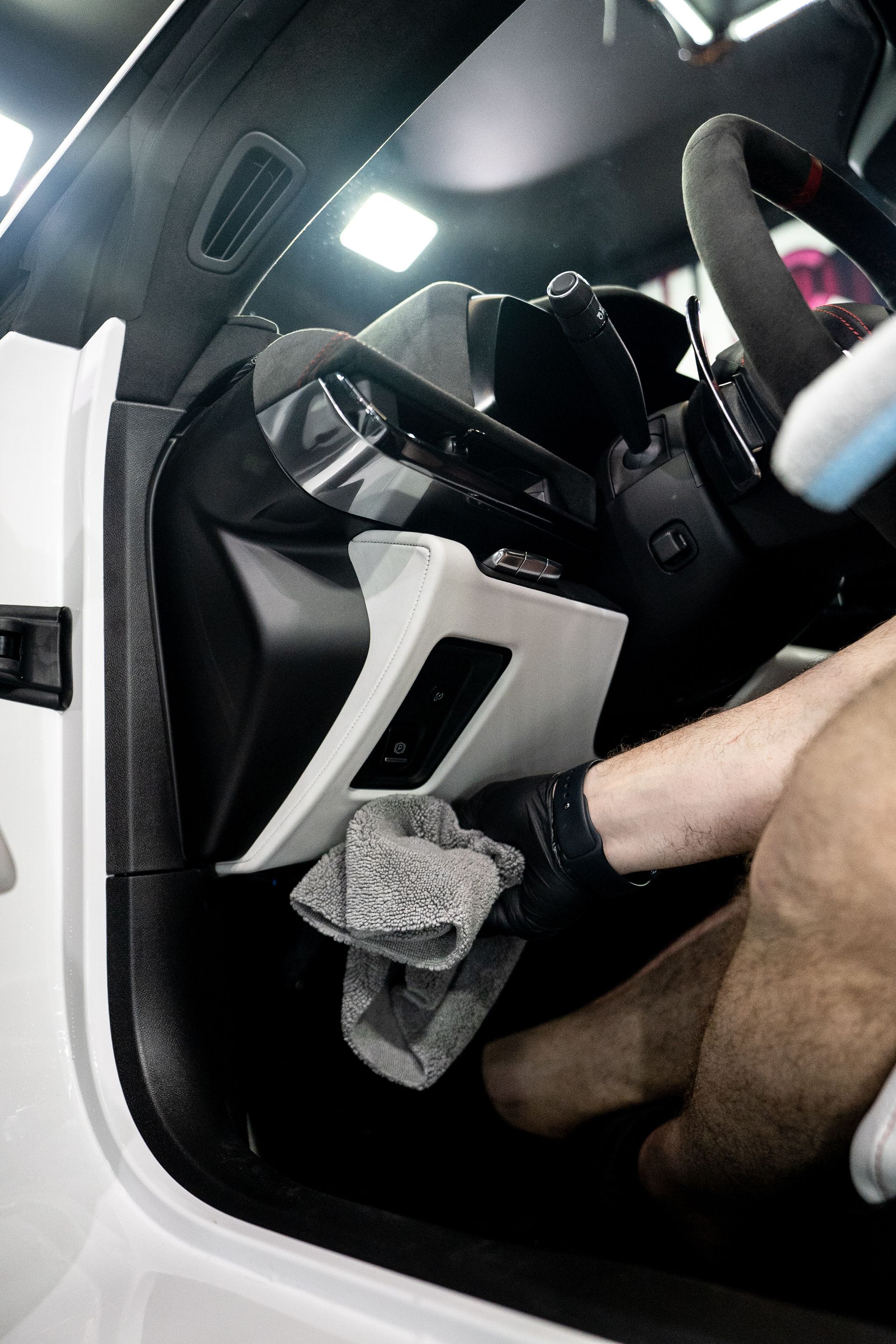
Maintaining the pristine condition and effectiveness of your paint protection film requires a combination of gentle cleaning habits and regular scrutiny. One of the most essential routines involves frequent washing using a pH-neutral soap. This type of soap is formulated to cleanse without stripping away or degrading the specialized topcoat of your PPF, including its self-healing and hydrophobic layers. Imagine washing your car with strong detergents; over time, they erode the protective qualities and dull the finish. By sticking to pH-neutral options, you preserve that mirror-like gloss that makes PPF so desirable. Avoid using abrasive tools like stiff brushes or rough sponges, as well as harsh chemicals. While it might be tempting to attack stubborn spots with heavy-duty cleaners or scrubbing pads, doing so risks scratching or even peeling away portions of the film. Instead, opt for soft microfiber cloths paired with gentle rinsing to remove dirt and debris. This cautious approach reflects a respect for the film's delicate but durable composition, which, despite its resilience, deserves thoughtful handling.
Vigilance plays a key role in extending your PPF's lifespan. Regularly inspecting the film for signs of lifting edges, bubbles, or any detachment can save you from costly repairs down the road. These imperfections often start very small, but left unattended they can expand, letting moisture and dirt infiltrate beneath the surface. Promptly addressing these issues, whether through professional reinstallation or spot repairs, ensures your vehicle's factory paint remains shielded without compromise. A practical habit is to integrate inspection into your routine car wash sessions; a quick visual scan around door edges, hood corners, and bumpers where damage is most likely can make all the difference. Remember that weather extremes, from blistering sun to freezing cold, also test the resilience of PPF and may accelerate adhesive wear if problems are present.
When owners adhere to such maintenance practices, their PPF can remain effective and visually flawless for up to ten years, matching or exceeding most warranty periods offered by premium products. It's worth noting that proper drying after washes is as important as cleaning itself. Water spotting left on the film's surface gradually becomes unsightly and harder to remove over time. Using a soft towel or air dryer designed for automotive finishes ensures no residue lingers that could invite premature oxidation or staining. Attending diligently to these care rituals not only extends your PPF's protective barrier but also safeguards the lasting brilliance of your vehicle's finish, a crucial factor when considering investment versus long-term value.
Leading PPF Services in Harker Heights, TX
Preserving that factory-fresh finish starts with expert protection you can trust. At Harker Heights Ceramic Coatings, our
professional paint protection film services are designed to shield new vehicles from everyday road hazards while keeping the original paint exactly as it was meant to be seen. From high-impact front-end areas to mirrors and door edges, our precision-installed PPF helps maintain long-term appearance, supports stronger resale value, and gives drivers added confidence on the road.
Schedule your paint protection film service in Harker Heights, TX, and give your vehicle a smart layer of defense from day one!