PDR for Daily Drivers: Practical Benefits and Cost-Effective Car Maintenance
If you drive your car every day, minor dents and dings are practically inevitable. Whether it's a hailstorm, a careless shopping cart, or a neighboring door swinging too close in a parking lot, these small damages can be frustrating and make your vehicle look worn down. You may assume fixing them means expensive and time-consuming repairs, but there's a smarter solution: Paintless Dent Repair (PDR). This method allows you to quickly and affordably restore your car's smooth appearance without compromising the paint. In this article, we will delve into why daily drivers are increasingly choosing Paintless Dent Repair (PDR) as a cost-effective and time-efficient vehicle maintenance option.
Understanding Paintless Dent Repair
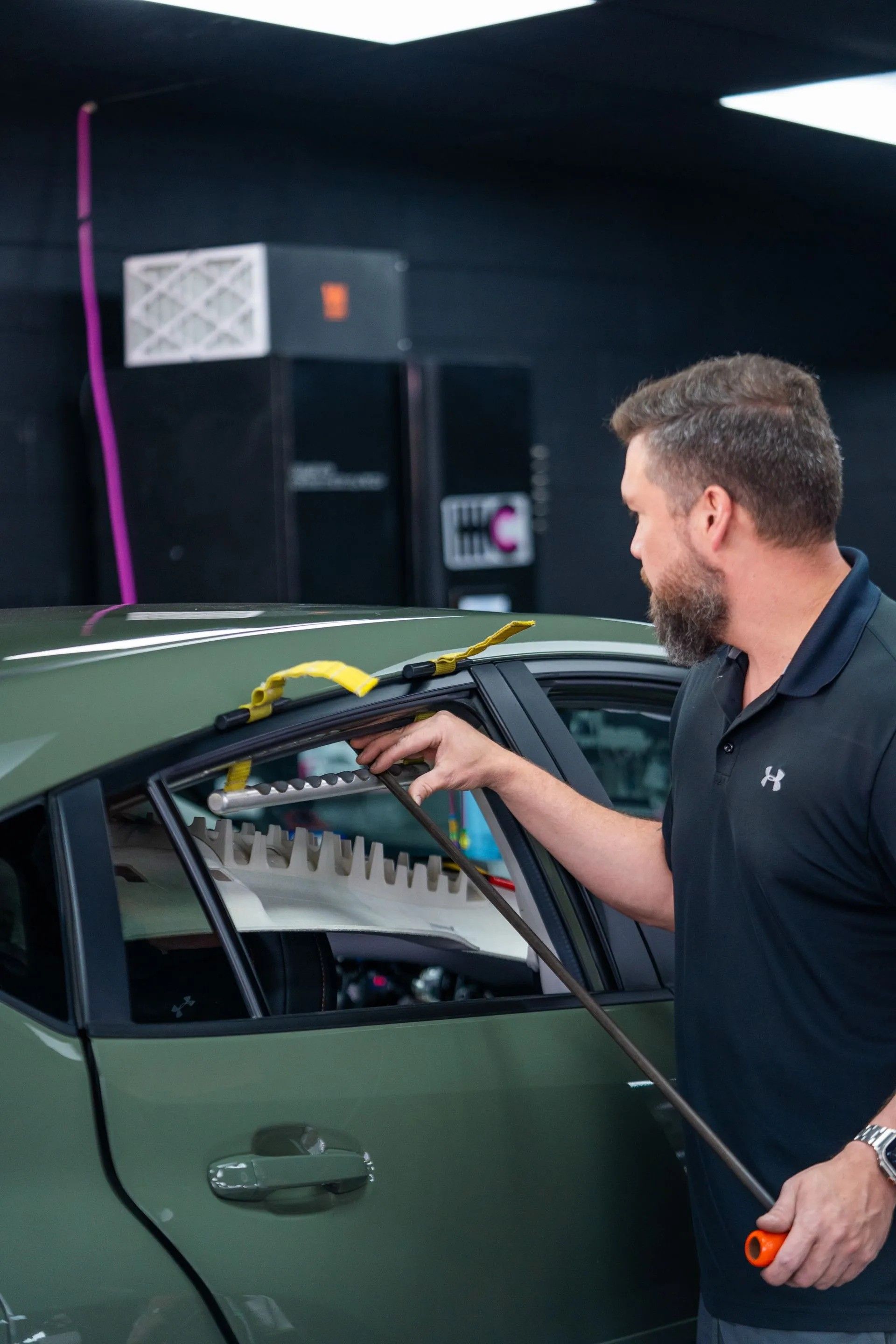
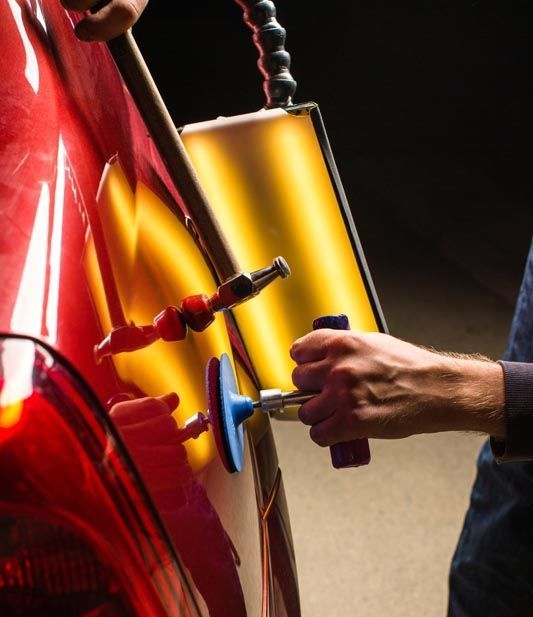
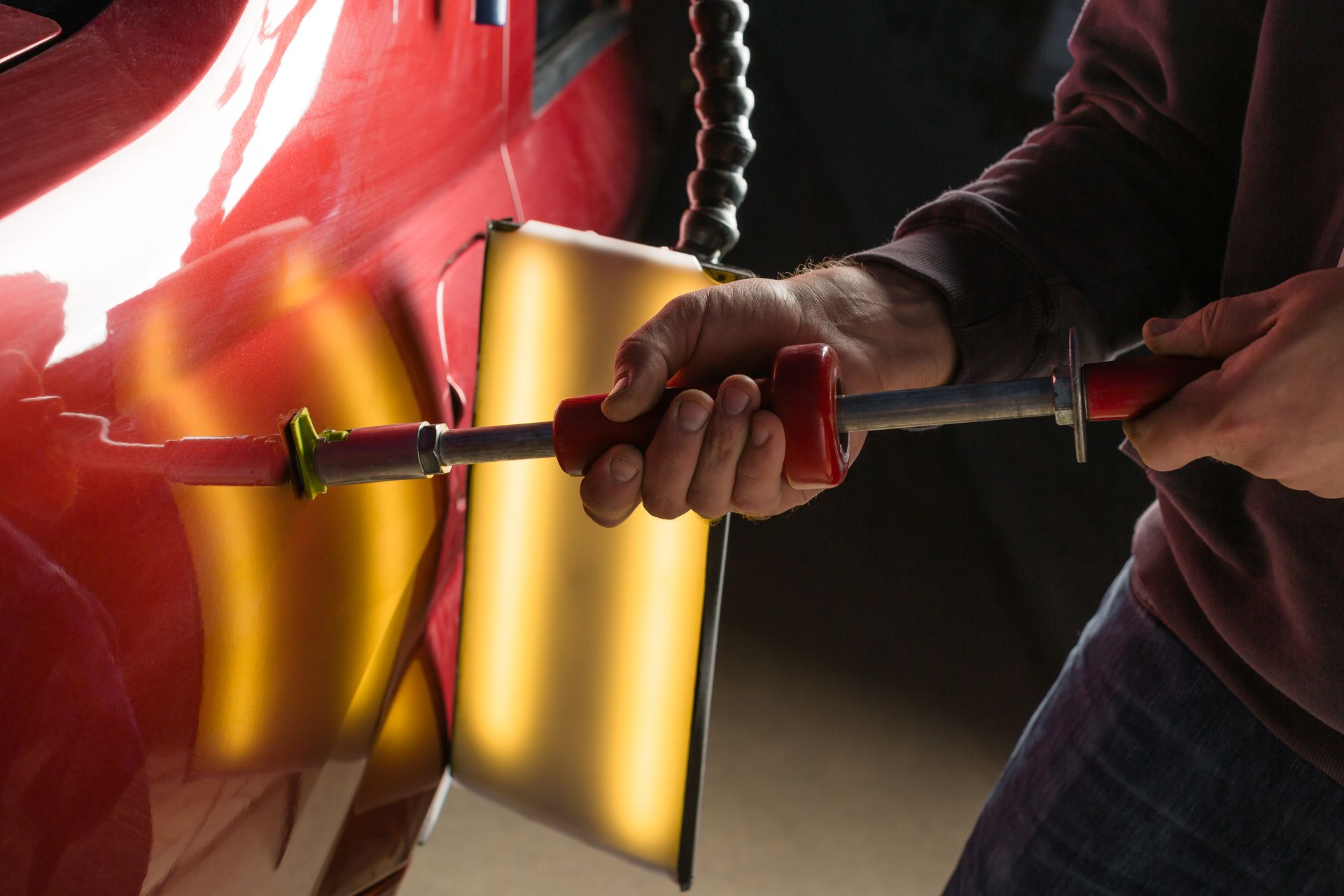
PDR is a technique that restores the natural shape of your car's body by carefully manipulating the metal back into place without disturbing the original paint. This is essential because maintaining that factory finish keeps your vehicle looking pristine and prevents common issues associated with traditional repairs like mismatched colors or texture inconsistencies. Unlike conventional bodywork that may require sanding, filling, and repainting (a process that is both time-consuming and costly), PDR uses precision tools to gently massage out the dents from behind or pull them out on the surface. The process relies on skillful manual work performed by certified technicians who use specialized rods, glue pulling kits, and reflective boards to detect the subtlest imperfections. The reflective board highlights every curve and ripple so corrections happen with incredible accuracy. This hands-on artistry requires patience and steady hands because one wrong move can risk damaging the paint or warping the metal further.
What makes PDR particularly appealing for daily drivers is how it balances speed with quality. Typical repairs can stretch over several days due to paint-drying times and multiple layers of finishing, but PDR appointments often conclude within a few hours. This means less disruption for vehicle owners who rely on their cars for commuting or daily errands. Moreover, the price point is significantly lower, with dents typically costing between $75 and $150 to fix compared to hundreds or even thousands with traditional methods. From a practical standpoint, the reduced cost means you're investing in a smarter form of maintenance, not just fixing damage but protecting the overall asset value of your vehicle.
How PDR Differs from Traditional Dent Repair
PDR is fundamentally a non-invasive technique. Unlike traditional dent repair, where technicians often sand down the area, apply fillers, and then repaint the damaged section, PDR works by gently massaging the metal back into place without harming the existing paint. This means there's no sanding or repainting involved, and the original factory finish remains intact. Preserving this paint is essential not just for aesthetics but also for maintaining the vehicle's protective coating against rust or corrosion. Traditional dent repair can stretch over several days and often involves multiple steps requiring drying and curing times, pushing costs into the $500 to $2,000 range depending on damage severity. In contrast, PDR is remarkably efficient. Most dents are fixed within one to three hours. This speediness comes from avoiding repainting altogether, a step that demands time for prep work and paint drying, and allows vehicle owners to quickly get back on the road.
When you opt for traditional repairs, you inherently risk subtle mismatches between old and new paint. Even skilled professionals sometimes struggle to blend colors perfectly or match textures exactly, resulting in an uneven appearance that can detract from your car's value and beauty. PDR sidesteps this problem entirely because it leaves the original factory paint untouched. The vehicle maintains a consistent color and shine, looking like it did before the dent ever occurred. This preservation not only enhances visual appeal but can also positively impact resale value by keeping your car closer to showroom condition. Traditional body repairs typically involve chemicals like paints and solvents that contribute harmful emissions into the environment. PDR avoids these concerns since no painting or chemical fillers are used. Additionally, insurance companies often appreciate PDR due to its lower cost and quicker turnaround, making claims smoother for both owners and providers.
Cost-Effective Benefits for Daily Drivers
One of the most compelling reasons daily drivers choose Paintless Dent Repair is its affordability. Unlike traditional bodywork that involves repainting and sometimes panel replacement, PDR preserves your car's original paint while removing minor dents. This approach typically translates into lower labor hours and fewer materials, which naturally reduces the overall bill. For someone who relies on their car every day, this method means spending less money without sacrificing quality. Consider dealing with those tiny dents from commuting: door dings at work or hail damage during a weekend trip. Left unchecked, these seemingly minor blemishes might bother you each time you see your car. Traditional fixes can easily exceed hundreds or even thousands of dollars, especially when repainting is involved. With PDR, many of these dents can be smoothed out in just a few hours for a fraction of that cost. This kind of quick turnaround minimizes disruption to busy schedules and keeps your vehicle looking fresh without putting a dent in your budget.
Moreover, working with certified PDR technicians guarantees results, making the investment worry-free. Another financial advantage worth noting is how PDR works well with insurance policies. In many cases, insurance providers favor paintless repairs because they are less expensive than conventional methods. This preference often leads to claims processed more quickly and with fewer premium increases for policyholders. Keeping small dents repaired early using PDR also helps avoid long-term depreciation of your vehicle's value. Large dents and peeling paint can discourage potential buyers or reduce trade-in offers significantly. By investing in affordable dent removal regularly, drivers maintain their car's aesthetic appeal and resale price much better over time.
The PDR Process: Techniques and Tools
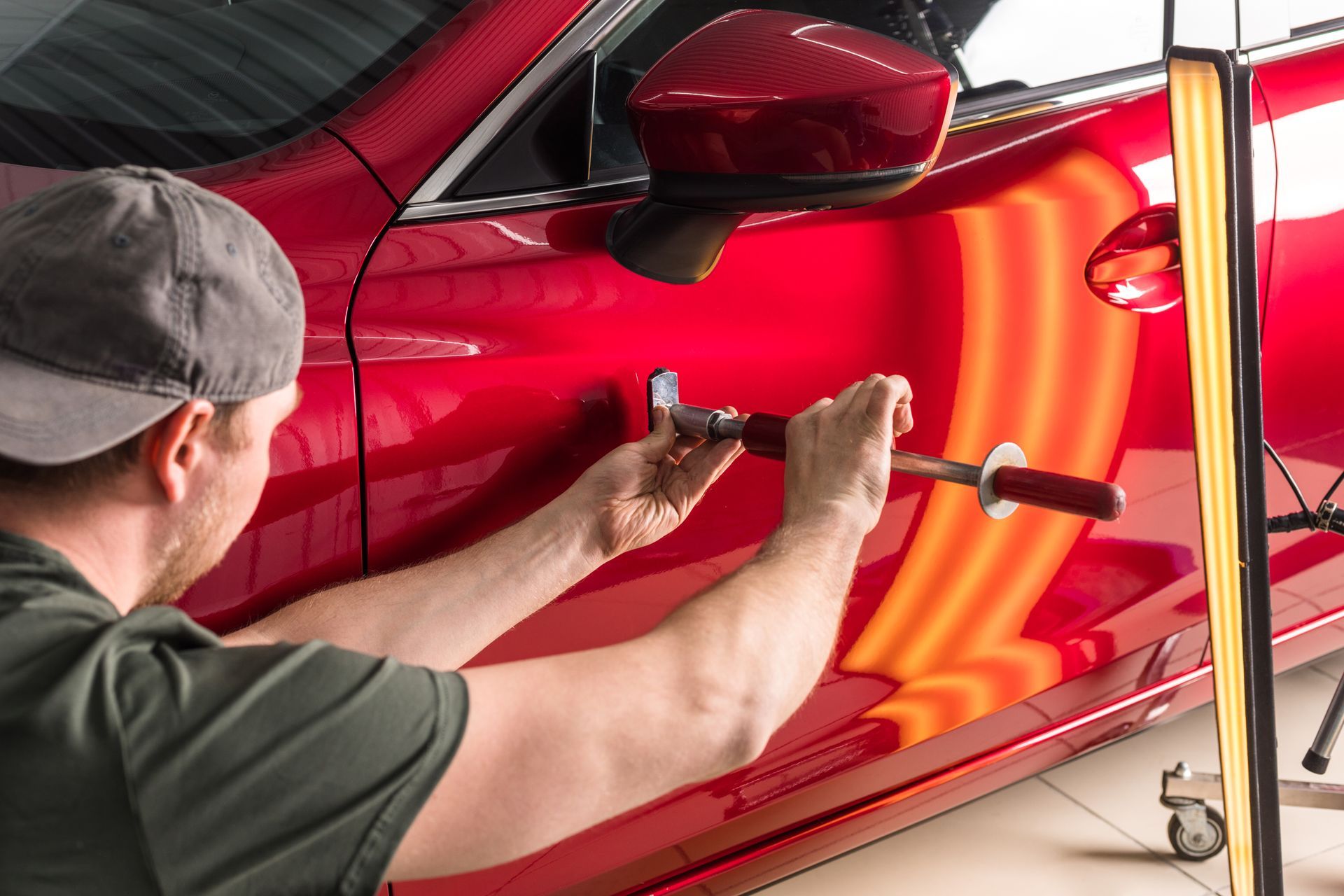
The core strength of Paintless Dent Removal lies in the finesse and precision provided by specialized tools and well-honed techniques. Unlike traditional body repair, which relies on filling, sanding, and repainting, PDR technicians work with delicate instruments designed to coax the metal back into place without damaging the original paint. This approach preserves the car's factory finish, a factor essential for maintaining vehicle value and appearance. PDR rods stand out as essential implements. These rods come in various shapes and sizes, allowing technicians to access dents from inside panels or hard-to-reach areas. The success of this process depends greatly on the technician's ability to feel subtle resistance changes as they gently push the metal outward. Alongside rods, lightweight hammers equipped with special tips serve to gently tap down raised metal areas, finely tuning the surface texture until it matches the panel's natural curve.
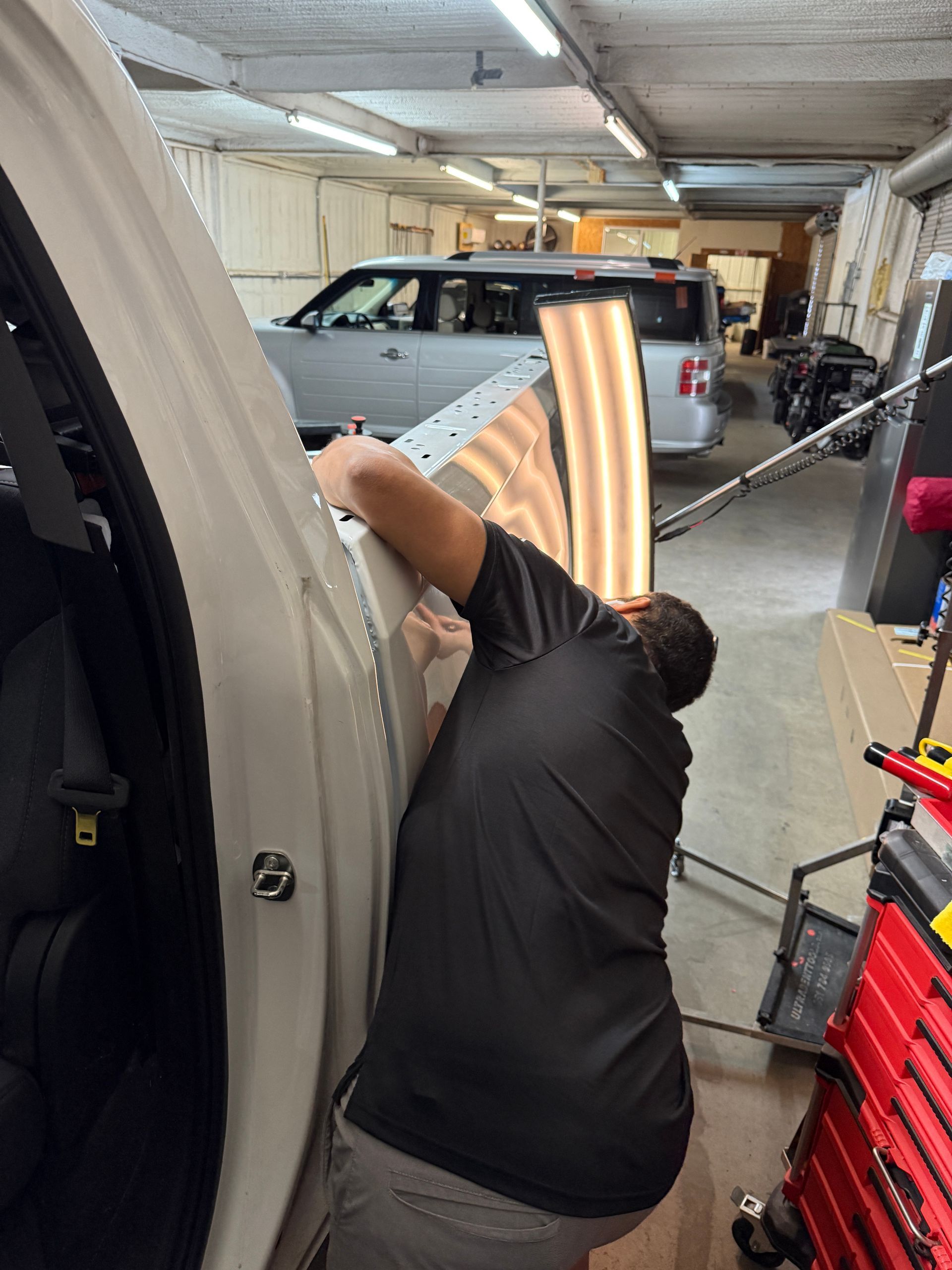
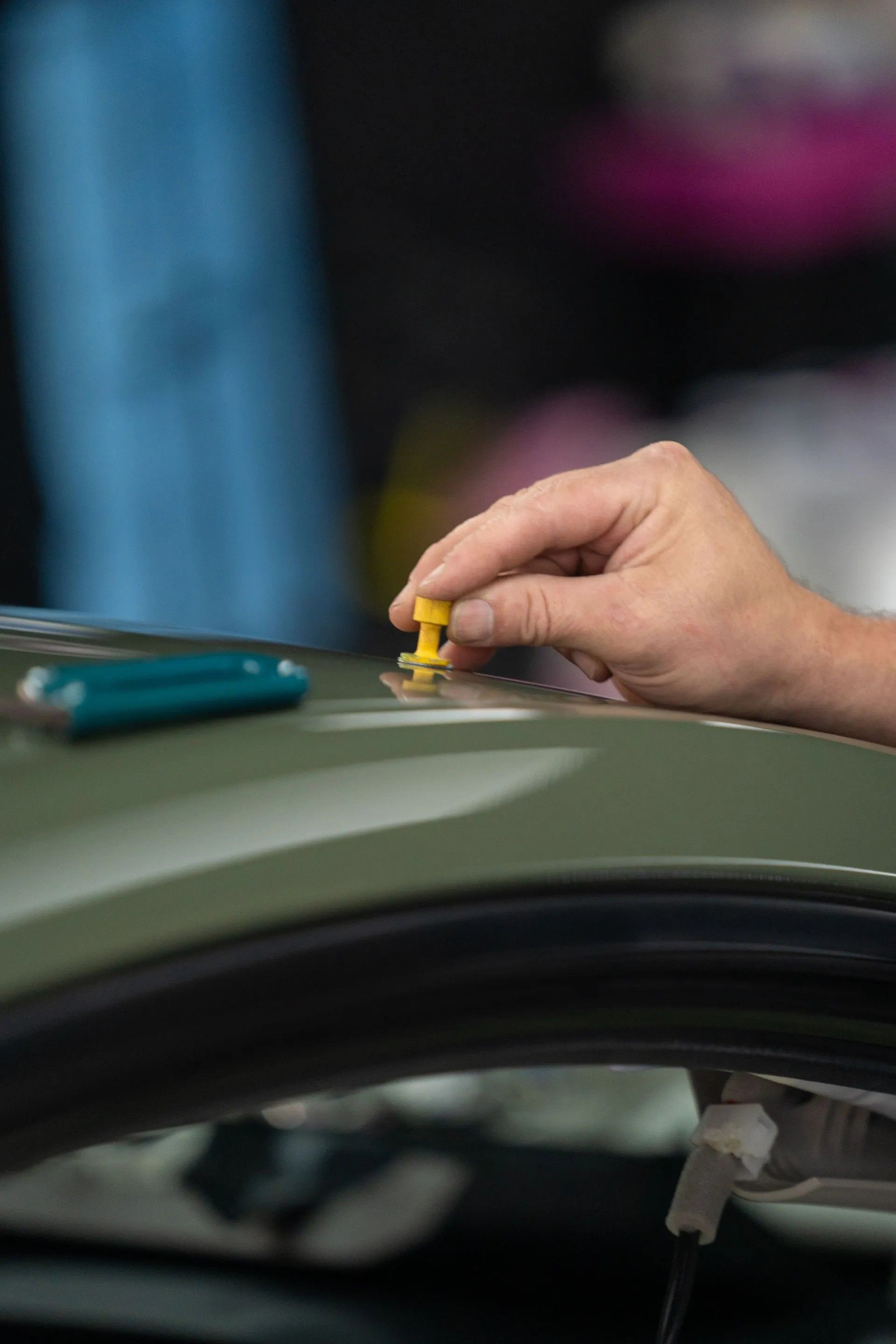
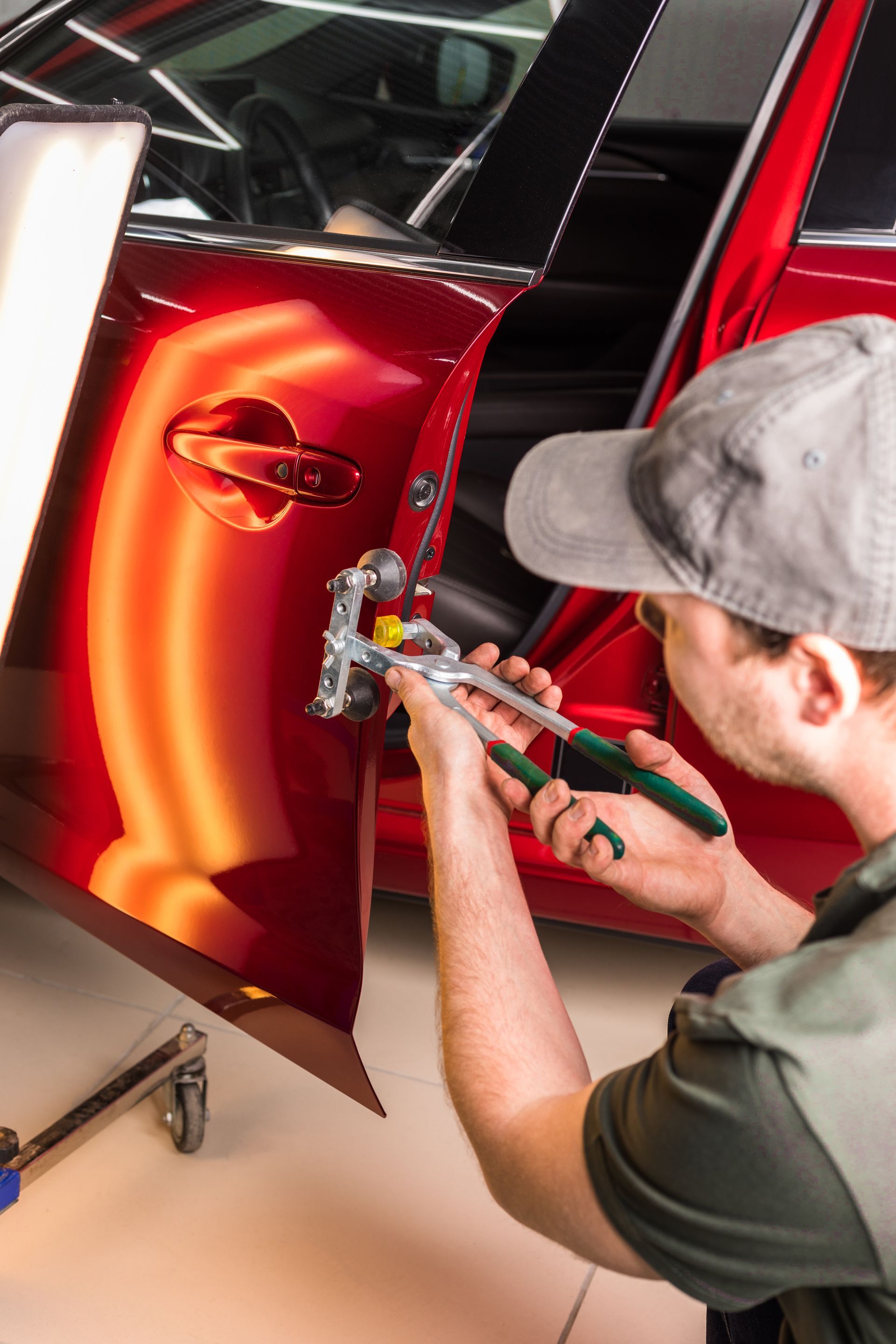
In scenarios where accessing the backside of a dent is impossible (such as door skins or tight corners), glue pulling kits provide an alternative route. Glue tabs are carefully adhered to the surface over the dent and then connected to a pulling device. The technician applies controlled force to these tabs, effectively drawing the dent outward in small increments. Light reflector boards are an indispensable aid when evaluating small dents that may be invisible under normal lighting. These boards have stripes or grids that reflect sharply off the car's surface, making even minor distortions obvious. A trained technician uses this visual feedback to gauge depth and contour variations meticulously before making any adjustments.
Professional Services vs. DIY Approaches
The choice between tackling Paintless Dent Repair yourself or entrusting the job to a professional often sparks debate among car owners. While the idea of saving money by doing it yourself is appealing, the reality isn't always that simple. DIY kits can seem like a quick fix, but they carry hidden risks if not used correctly. DIY PDR lets you save on labor costs and grants you the satisfaction of learning a new skill. For very minor dents (shallow creases or dings where the paint is still intact), the DIY approach might work well enough if you're patient and careful. However, improper use of tools or excessive force can make the damage worse, leaving creases or chips that are harder and pricier for professionals to correct later.
Professional technicians possess training grounded in understanding vehicle body materials and geometry, allowing them to perform repairs with far greater precision. Their years of experience translate into consistent results that protect your car's value and appearance. With professional PDR, you gain access to specialized tools engineered for specific dent types and locations. Professional shops also offer warranties assuring lasting quality, turning a repair into a long-term solution rather than a temporary patch. Despite seeming more costly upfront, professional PDR often ends up more economical over time because it prevents recurring damage or worsened dents from botched DIY jobs. Insurance providers frequently cover professional PDR repairs, easing financial concerns even further.
Long-Term Value and Vehicle Preservation
Investing in Paintless Dent Repair isn't just about making your car look good immediately; it unlocks benefits that pay dividends well into the future. One of the most impactful advantages lies in preserving your vehicle's resale value. Because PDR avoids repainting, it maintains the factory finish exactly as it was intended. Buyers notice when paintwork isn't original. Even subtle mismatches or texture differences from traditional repairs can erode trust and price. Keeping that flawless factory paint allows you to command a higher resale price because your car looks cared for without obvious signs of damage or repair.
Beyond aesthetics and value, PDR plays an important role in maintaining your vehicle's physical longevity. Dealing with minor dents promptly through PDR can actually extend the lifespan of your car's panels. Dents, even small ones, create weak spots where moisture can seep in. Over time, these imperfections can cause rust to develop beneath the paint, a slow but relentless enemy that eats away metal from within if left unchecked. Addressing dents early not only restores appearance but also effectively seals off vulnerabilities before corrosion sets in. By choosing PDR quickly after damage occurs, you interrupt this destructive cycle while maintaining your car's structural integrity. Because PDR procedures don't involve harsh sanding or fillers, they lower the risk of further surface damage compared to traditional bodywork. Routine care through PDR helps you protect both the value and health of your vehicle, making it a practical investment.
Time Efficiency and Convenience
Time is often the most precious commodity for those who rely on their cars every day. The beauty of PDR lies not just in preserving your vehicle's appearance but in its ability to get you back on the road swiftly. PDR repairs generally take anywhere from one to four hours. This window fits neatly into a typical workday, allowing car owners to plan around the repair without unnecessary disruption. What makes these quick turnarounds possible is the nature of the PDR process itself. Unlike traditional bodywork that may require sanding, filling, and painting (each step demanding drying or curing time), PDR works by carefully massaging dents back into their original shape without disturbing the paint layer. This minimal intervention drastically reduces labor time and eliminates waiting periods tied to chemical processes.
For daily drivers keen on maximizing convenience, scheduling repairs early in the morning could mean dropping off your vehicle before heading to work and picking it up by afternoon. Such efficiency helps avoid multiple visits, reducing downtime so you spend less time at the shop and more on your routine activities. PDR offers a compelling mix of practicality and economy. It respects a daily driver's need for quick fixes that don't interrupt their schedule or empty their wallet, all while delivering a repair that blends seamlessly with the vehicle's original finish. Ultimately, Paintless Dent Repair stands out as both a smart investment and a time saver for daily drivers seeking dependable, cost-effective car maintenance solutions.
Paintless Dent Repair Experts in Harker Heights, TX
Minor dents and dings don’t have to become long-term eyesores on your daily driver. At Harker Heights Ceramic Coatings, our
professional paintless dent repair services are designed to restore your vehicle’s clean, smooth appearance quickly and efficiently without disrupting your routine. Whether your car has picked up door dings from parking lots or minor hail impressions, our skilled technicians use precision techniques to correct the damage while preserving your factory finish.
Schedule a paintless dent repair service today and enjoy a practical, cost-conscious way to keep your vehicle looking well cared for on the roads of Harker Heights, TX!