PPF Is Ideal for Vehicles Parked Outdoors Year-Round Thanks to Superior Paint Protection
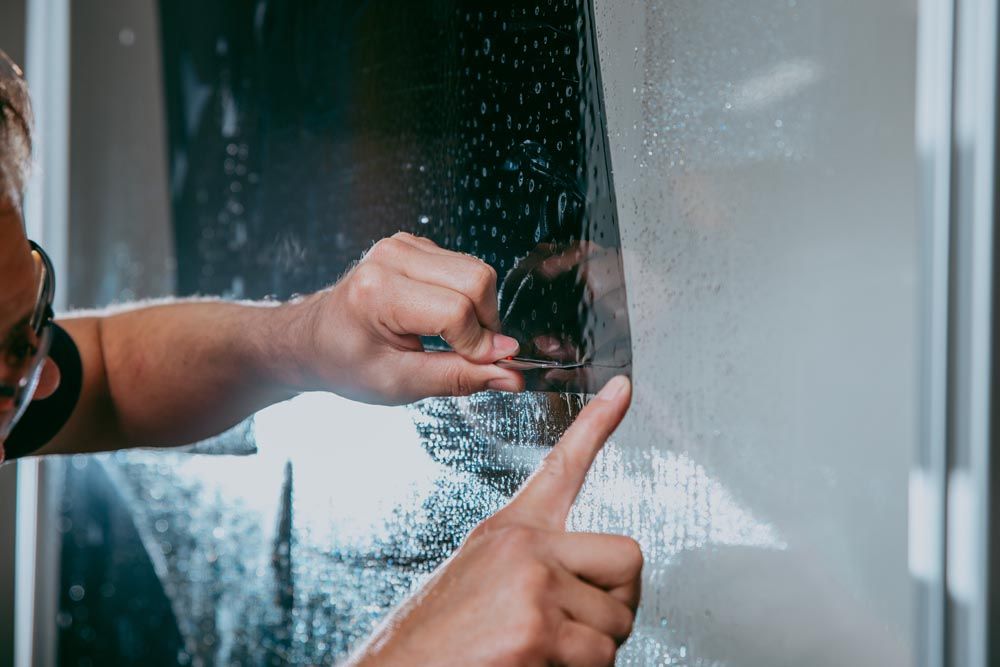
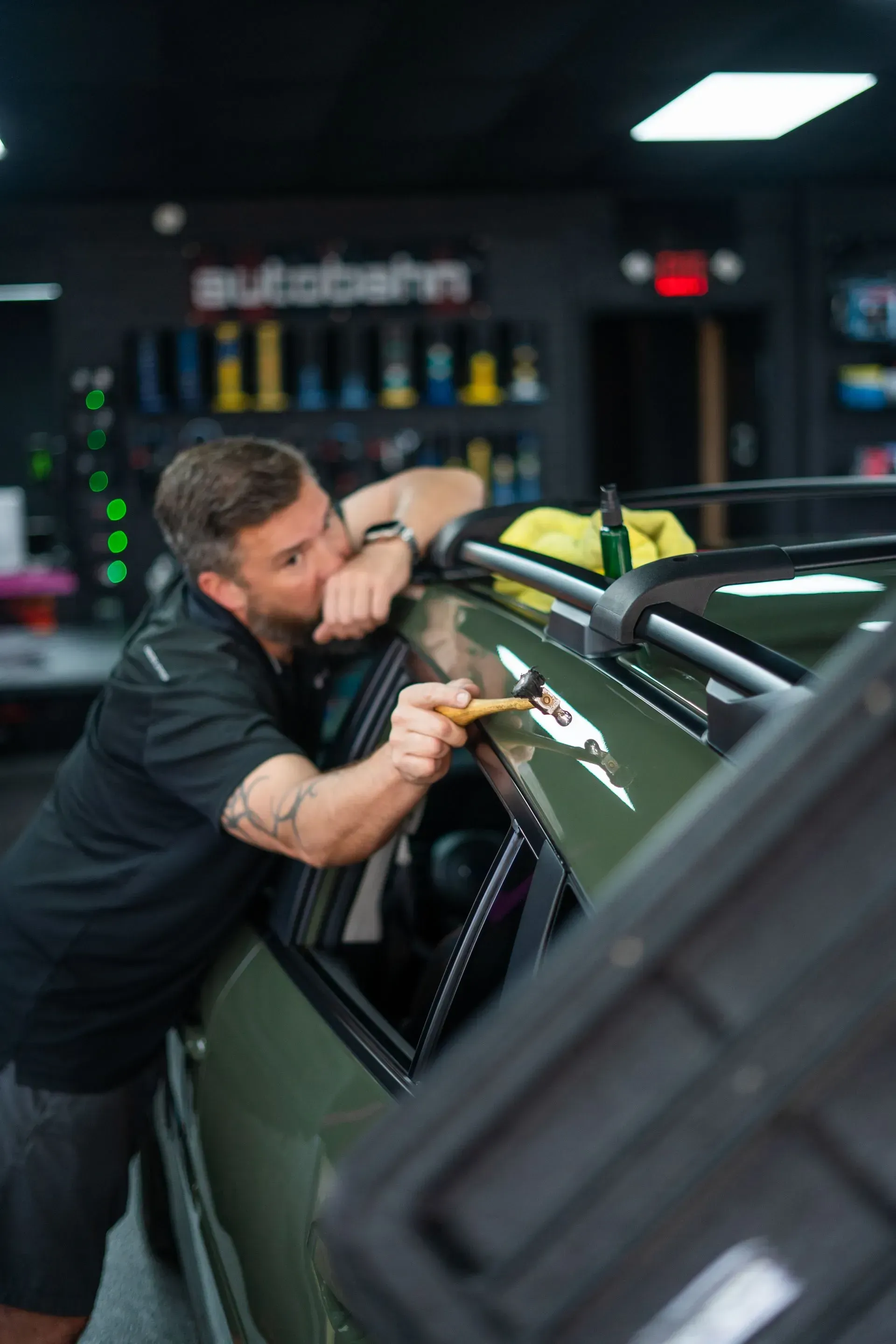
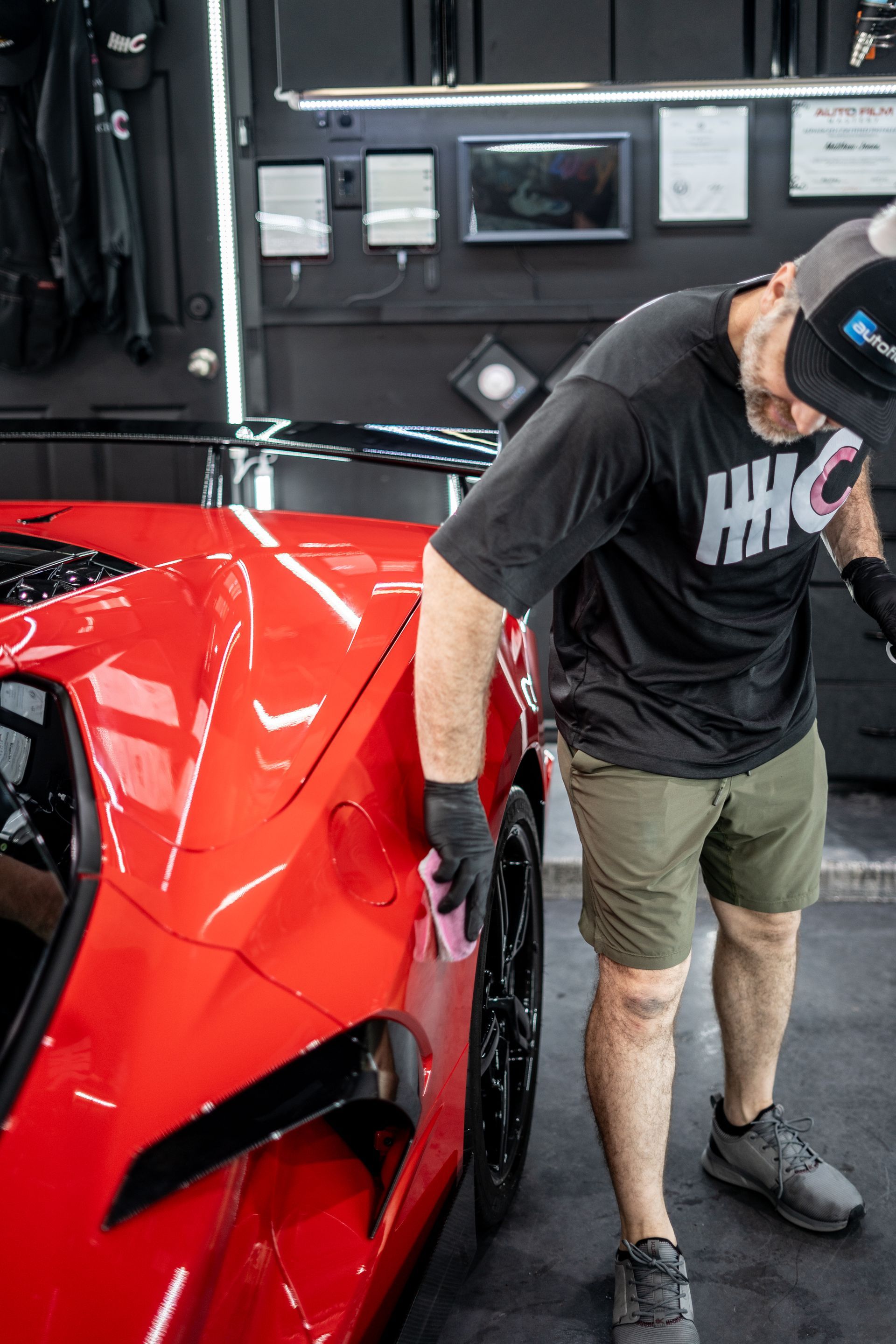
If you park your vehicle outside year-round, you have likely seen how constant sun exposure and changing weather conditions gradually impact its paint. Dull color, surface imperfections, and stubborn stains from bird droppings or tree sap can accumulate quickly, and restoring the finish often costs more than expected. Paint protection film (PPF) offers a proactive solution. This crystal-clear, durable layer forms an invisible barrier over your vehicle’s paint, helping defend against UV exposure, limit heat-related wear, and self-heal light surface marks to maintain a cleaner, more refined appearance over time. Over months and years of outdoor exposure, PPF helps keep your car looking newer with less hassle.
Benefits of Using Paint Protection Film
One of the most compelling reasons to invest in PPF is its superior UV protection. Unlike traditional waxes or sealants that wear off quickly under the sun's relentless glare, PPF acts like a powerful sunscreen for your vehicle's paint, blocking the vast majority of harmful ultraviolet rays. UV radiation does not just fade colors; it slowly breaks down the chemical bonds in the paint layers, causing clear coat deterioration and chalky surfaces. This damage happens faster on dark-colored cars, where surface temperatures can soar on a hot day. By blocking those rays effectively, PPF preserves your car's vibrant color and luster much longer than leaving the paint unprotected.
Beyond preventing fading, the extreme heat that builds on sunny asphalt lots also accelerates oxidation, a chemical reaction that dulls paint and makes it lose its shine. PPF plays a vital role here by reducing surface temperature, easing stress on the paint beneath. Less heat means slower aging of your car's finish and fewer chances for cracks or peeling clear coat to develop. PPF also brings a remarkable benefit: self-healing capabilities. Thanks to the elastomeric materials used in these films, minor scratches and swirl marks disappear over time when exposed to moderate heat. Whether from natural sunlight on a warm afternoon or warm water during a wash, those tiny abrasions smooth out within a day or two. This self-repairing quality keeps your vehicle looking flawless without frequent touch-ups or costly detailing, which is especially valuable for vehicles parked outside year-round, where dust, branches, or incidental scrapes are a regular occurrence.
PPF also offers strong chemical resistance against common outdoor contaminants. Bird droppings, tree sap, road salts, and pollen may seem harmless, but they contain acids and enzymes that slowly erode automotive paint if left untreated. PPF forms a durable barrier that prevents these substances from bonding directly with your vehicle's finish. For drivers in coastal regions or snowy climates where environmental hazards are common, this protection can translate into significant savings on repainting or touch-up costs. While ceramic coatings typically require reapplication every few years, quality PPF installations commonly endure five to ten years with proper maintenance, meaning less hassle and better long-term value.
Protecting from Sun, Rain, and Hail
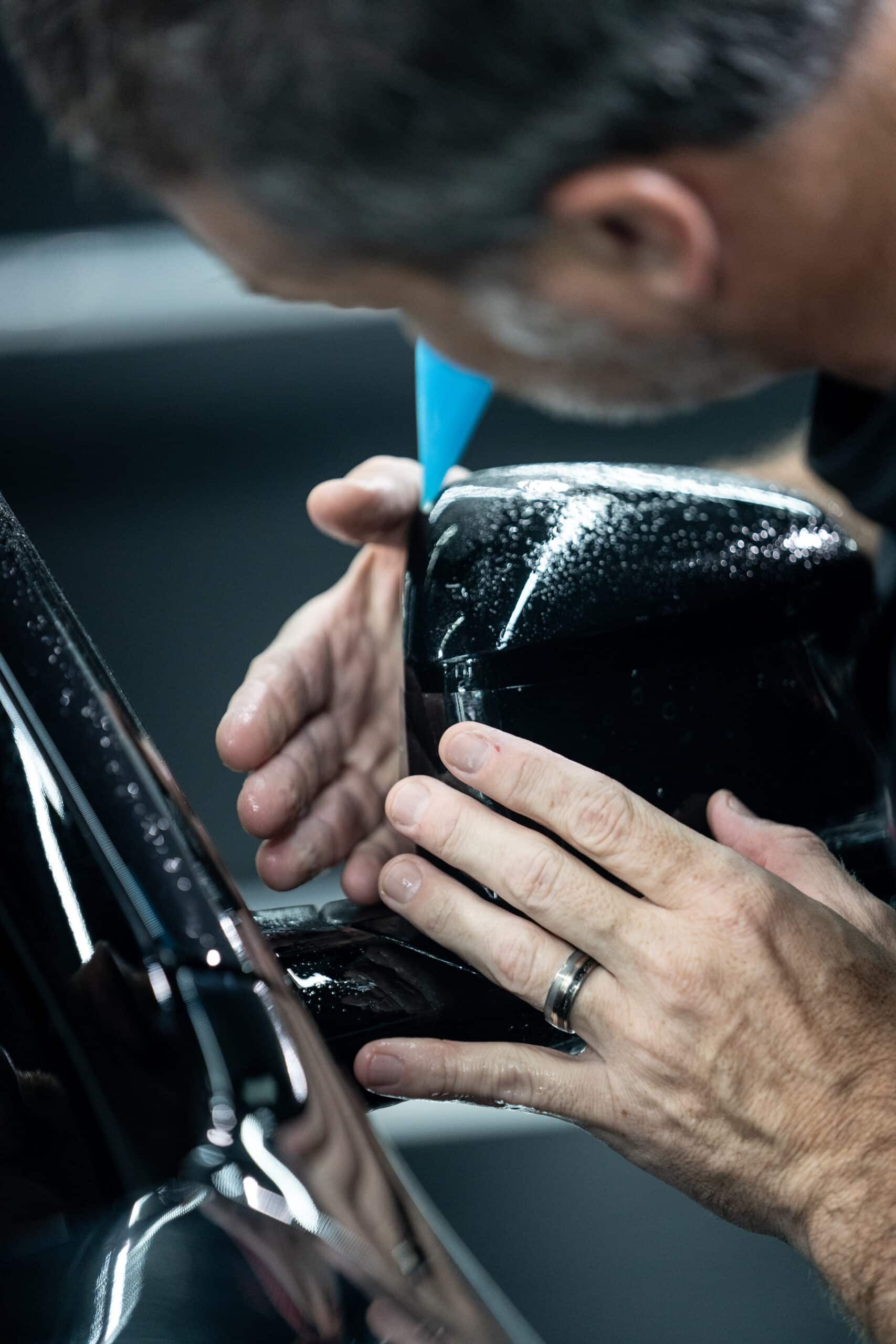
The sun is one of the most damaging forces for any car parked outdoors. UV rays penetrate paint layers and chemically alter them, breaking molecular bonds and leaving your paint faded and vulnerable. PPF's ability to block nearly all of these harmful rays means that even when your car sits under the summer sun for hours, it resists the slow burn of color loss and clear coat peeling that most unprotected vehicles suffer. Rainwater also poses a hidden threat. When rain falls on your car, it often carries dust, pollutants, acid components, and hard water minerals that stick to the paint and degrade it over time. PPF is engineered with hydrophobic properties that repel water effectively. Instead of letting water spread and dry into stubborn spots or streaks, the film causes droplets to bead up and roll off quickly, taking dirt and grime along with them. This natural self-cleaning effect reduces how often you need to wash the car while maintaining a glossy, mark-free finish.
Hail is another unpredictable hazard. Without protection, even small hailstones can dent or crack automotive paint, resulting in costly repairs. PPF serves as a cushioning layer that absorbs impact energy from smaller hailstones, and its elasticity allows it to flex on minor blows rather than crack or chip immediately. Even when hail damage does not disappear entirely, the self-healing properties in many modern PPF films allow minor scratches and scuffs from storm debris to fade with heat exposure, keeping vehicles looking fresh without repeated professional touch-ups.
Defending Against Road Debris and Scratches
Driving exposes your car's paint to a barrage of tiny but relentless hazards, including gravel kicked up by trucks, stray pebbles bouncing off pavement, and loose debris flung by passing vehicles. Each small impact contributes to wear and tear that accumulates rapidly. Without protection, these abrasions chip away at your vehicle's finish, dulling its shine and inviting rust or corrosion. Paint protection film creates a durable barrier that absorbs these impacts, protecting your paint from damage that might otherwise lead to costly repairs. Its thickness means it can withstand impacts that would quickly mar traditional clear coats, causing small rocks or road grit to bounce harmlessly off the film's surface instead of chipping the paint beneath. Its scratch resistance also outperforms many automotive clear coats. For everyday hazards such as accidental key scratches, car door bumps, and shopping cart contact, PPF provides meaningful, ongoing defense. These protections translate into tangible savings over time by reducing repainting needs and preserving resale value.
PPF vs. Other Protection Methods
When comparing protection options, waxes and ceramic coatings each have their place but fall short of what PPF delivers. Waxes add shine and a thin protective layer but tend to wear off within weeks and offer minimal defense against UV rays or physical damage. Ceramic coatings improve on wax by creating a harder surface that repels water and offers moderate scratch resistance, but they still require periodic reapplication and more involved maintenance routines. PPF takes protection to an entirely different level in both durability and ease of care. Its composition not only blocks harmful UV radiation but also offers superior resistance against scratches and road chips. The self-healing property unique to modern PPF films allows minor swirl marks or scuffs to disappear with simple heat exposure, something neither waxes nor ceramic coatings can do. Its hydrophobic topcoat also means maintenance is straightforward, requiring little more than gentle, routine washing. For drivers who prioritize lasting defense without sacrificing appearance or convenience, PPF offers advantages that traditional alternatives simply cannot replicate.
Maintenance Tips for PPF
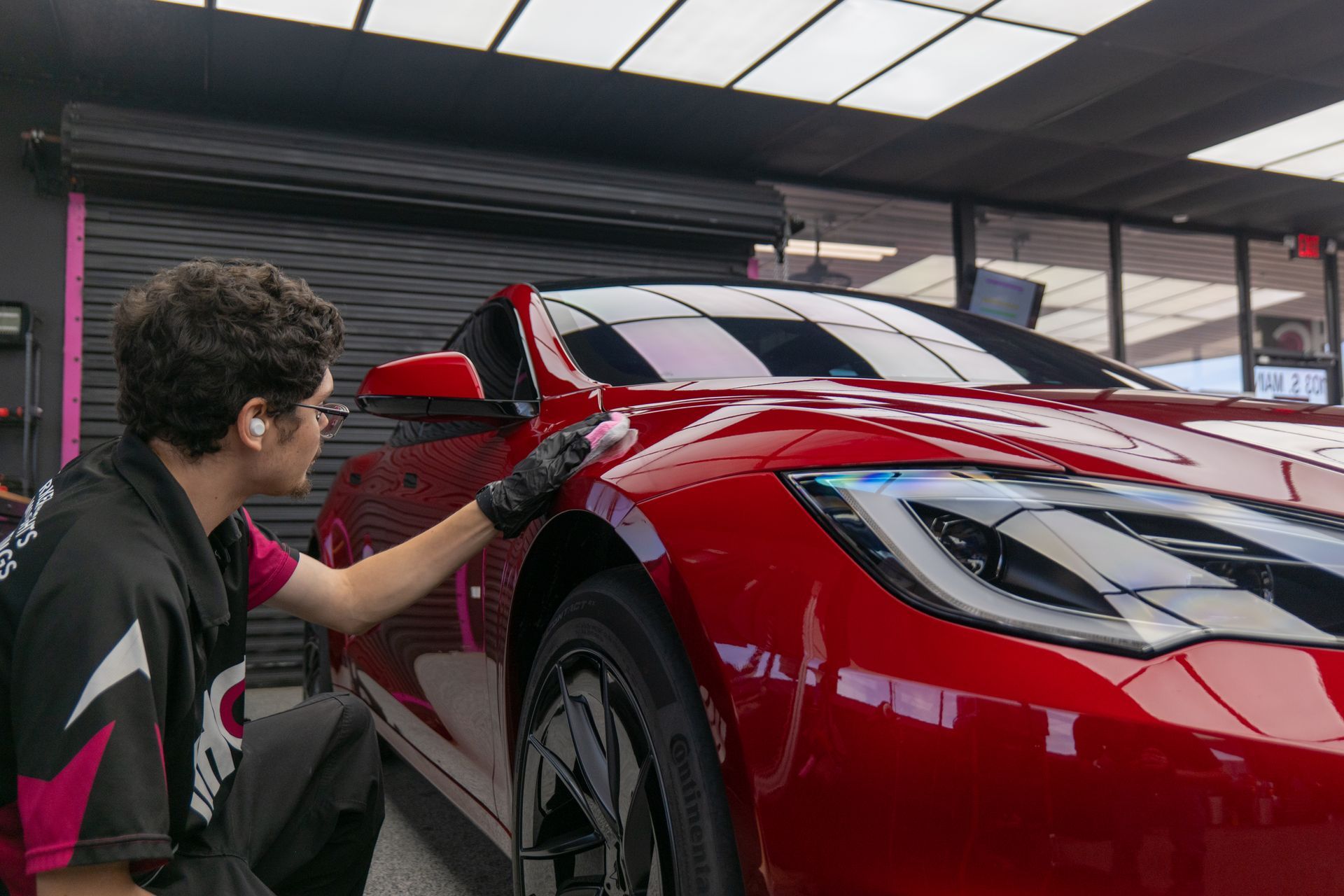
While PPF is remarkably durable and low-maintenance, a few simple practices can help you get the maximum lifespan and performance from your investment. Regular washing remains important, but the good news is that PPF actually makes this easier than washing unprotected paint. Plan to wash your vehicle every two weeks or whenever you notice significant dirt buildup. Use a pH-neutral car shampoo rather than harsh detergents, which can gradually degrade the film's hydrophobic properties. A gentle hand wash with a soft microfiber mitt works best, starting from the top and working your way down to avoid dragging heavier road grime across the film.
When dealing with stubborn contaminants like bug splatter, bird droppings, or tree sap, address them promptly rather than letting them bake onto the film in the sun. These substances become harder to remove over time and may require more aggressive cleaning that could stress the film. Use a dedicated automotive bug and tar remover or a diluted isopropyl alcohol solution on a microfiber cloth for spot cleaning. For bird droppings in particular, try to remove them within 24 hours since the acids they contain can etch through protective layers if left too long.
Avoid automatic car washes with stiff rotating brushes, as these can create fine scratches and swirl marks that accumulate over time and diminish the film's clarity. Touchless automatic washes are generally safe, though hand washing gives you more control and better results. If you do use a pressure washer at home, maintain a safe distance of at least 12 inches from the film and avoid concentrating the spray on edges or seams where it might work its way underneath. When drying, use a clean, soft microfiber towel or a filtered air blower rather than letting the car air dry, which can leave water spots.
Periodic inspections help catch small issues before they become bigger problems. Every few months, look closely at panel edges, seams, and high-stress areas for any signs of lifting, discoloration, or damage. Most quality PPF installations come with warranties covering defects, yellowing, and delamination, so documenting any concerns and addressing them with your installer promptly ensures you're protected. Some PPF owners choose to apply a spray sealant or ceramic coating over their film for added gloss and easier maintenance, though this is optional since modern PPF already includes hydrophobic properties.
Temple’s Go-To for PPF
If your vehicle faces the Texas sun, sudden storms, and daily road debris, it deserves protection designed to handle it all. At HH Ceramic Coatings, Tint, Paint Protection, we specialize in
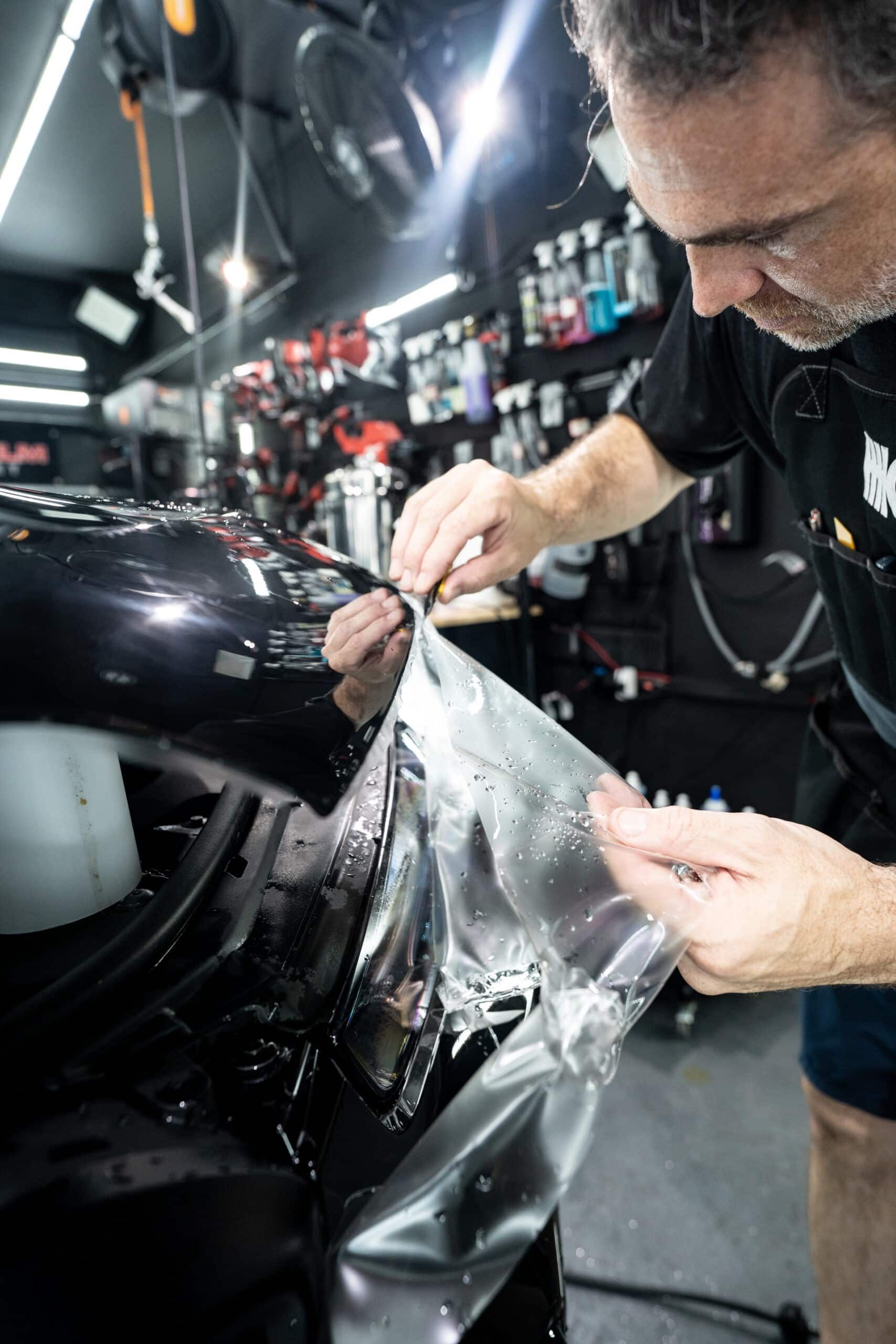
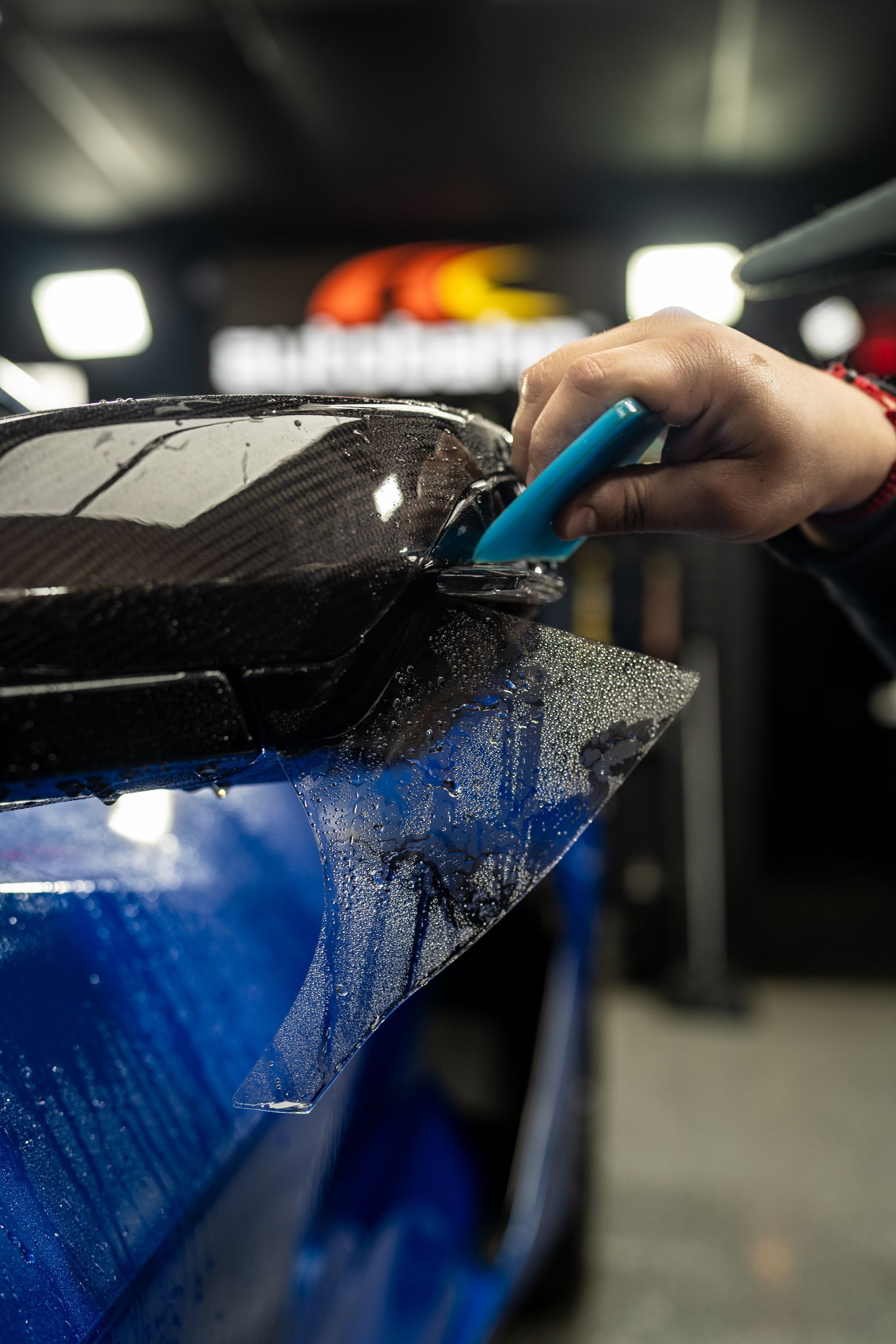
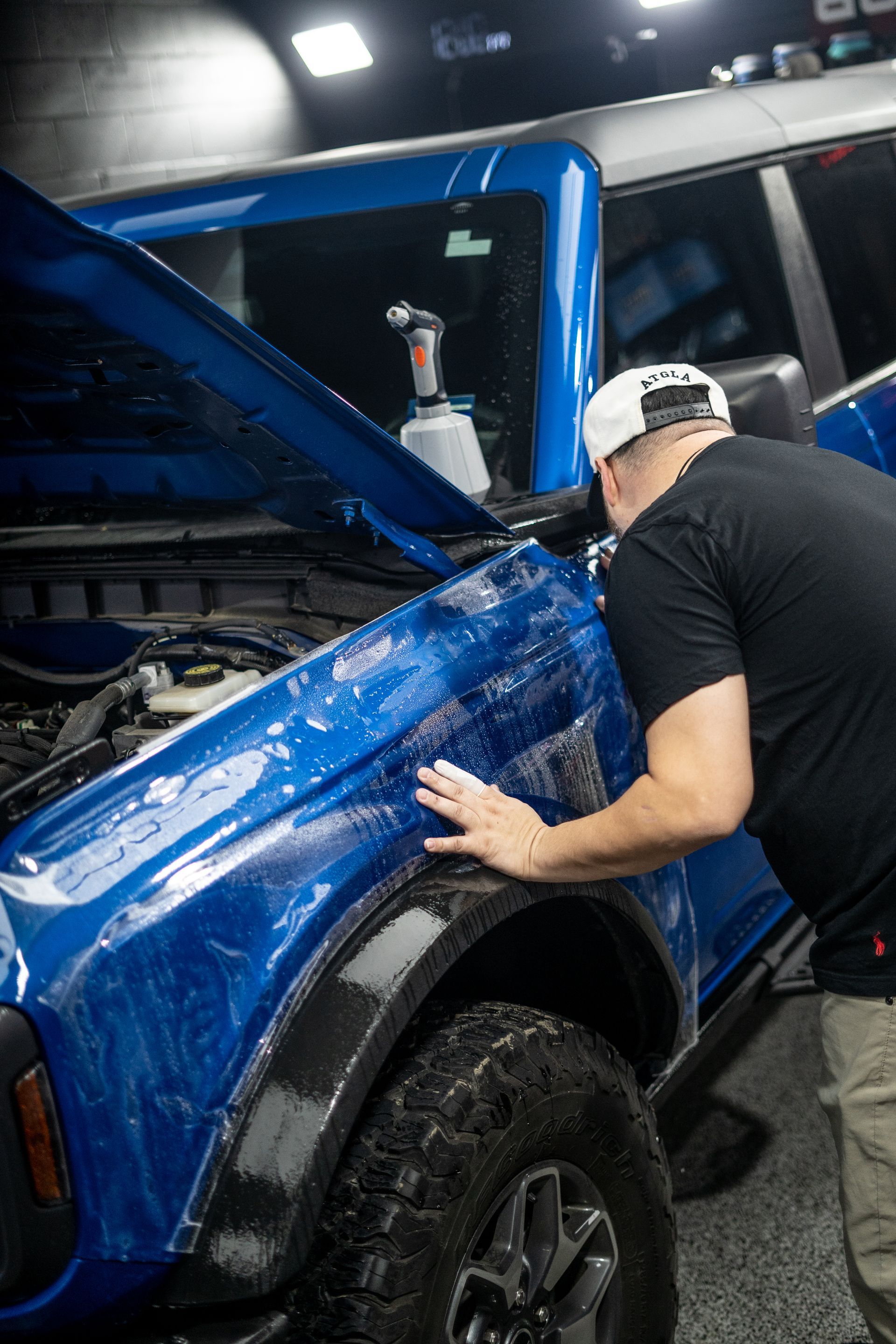
professional paint protection film installations in Temple, TX that create a resilient barrier against UV exposure, rock chips, and everyday wear while preserving your vehicle’s deep gloss and clarity. Our precision-cut PPF solutions are tailored to fit your vehicle’s body lines seamlessly, delivering long-term durability and self-healing performance for cars parked outdoors year-round.
Schedule a consultation today and see how our expert PPF services help keep your vehicle looking newer, cleaner, and protected for miles to come!