Auto Window Tint Benefits: Cabin Privacy Without Sacrificing Style
When you think about tinting your car windows, privacy and style probably come to mind first. But there is a lot more beneath the surface, like protecting your skin from UV rays, keeping your car cooler, and even preventing interior damage. Choosing the right window tint is more than just picking a shade; it is about finding a smart balance that fits your needs and follows legal rules. In this article, we will break down the key benefits and essentials of auto window tinting so you can make a confident decision that keeps both you and your vehicle comfortable and looking sharp. Window tint films for vehicles are designed to reduce visibility into the vehicle's interior, ensuring passenger privacy while allowing sufficient light to enter. Modern tints come in various shades and finishes that complement your car's design, providing both enhanced privacy and a sleek, stylish appearance.
Selecting the Right Window Tint
Understanding the different types of tint films is essential because each brings distinct benefits and trade-offs. Dyed films are popular for their affordability and ability to reduce glare, but their UV protection can fade over time. Metalized tints add strength by reflecting heat and blocking UV rays more effectively; however, their metallic content can sometimes interfere with GPS signals or cell phone reception. Carbon films offer a middle ground, providing excellent heat rejection without affecting electronics, though they do not block as much UV as ceramic options. Ceramic tints remain top-tier, excelling at heat reduction, UV blocking, and preserving signal clarity, but they come with a higher price tag that may not suit every budget.
Once you identify the type of film that suits your priorities, the next step is to consider the tint percentage, which refers to how much visible light the film allows through your windows. A 50% tint transmits half the available light, making it a safe choice for reducing glare during daytime driving while keeping visibility clear after dark. Dropping to 35% darkens your windows more noticeably, offering enhanced privacy without severely limiting visibility. At 20%, windows become quite dark, providing maximum privacy and heat blocking during the day but potentially creating challenges when driving at night. It is critical to remember that local laws regulate how dark your windows can legally be tinted, and exceeding these limits could lead to fines or require removal. Consulting an auto tinting specialist is always a wise move, as they bring experience with both product options and regional regulations, helping you find the most suitable film for your needs.
UV Defense That Preserves Your Interior
One of the most compelling reasons to invest in auto window tinting is its ability to shield you and your vehicle from harmful ultraviolet (UV) rays. Quality tint films can block a significant percentage of UV radiation, offering meaningful protection not only for your health but also for the longevity of your car's interior. Consider how much time you spend inside your vehicle, often in direct sunlight. Without protection, UV rays penetrate the glass and continuously affect your skin, increasing risks like premature aging and long-term skin damage. Tinting acts as a constant barrier, reducing these threats without darkening your view excessively or compromising visibility.
Beyond personal protection, UV rays take a hidden toll on your car's interior. Leather seats that were once supple begin to crack, fabric upholstery fades, and dashboard plastics become brittle over time. Window tint works to preserve these surfaces by reflecting or absorbing much of this UV energy before it settles onto sensitive materials. This preservation helps maintain your vehicle's appearance and resale value over the long term. When selecting a tint film, look for products certified for UV-blocking capabilities. Be aware that some lower-quality tints may reduce heat but offer weak UV protection, which defeats one of the primary advantages of tinting altogether.
Enhancing Cabin Privacy
Privacy is a major concern for many car owners, and rightly so. Your vehicle often becomes an extension of your personal space, a place where you store belongings, conduct conversations, or simply unwind. Tinted windows serve as a discreet barrier against unwanted attention, allowing you to maintain control over what others can see inside your cabin. Tinting provides tangible protection, whether you are a parent navigating daily school runs, a professional keeping sensitive documents out of sight, or simply someone who values solitude during commutes. It creates a subtle visual barrier that deters casual glances without blocking your view of the road.
Unlike curtains or sunshades, window tints are permanent fixtures that do not disrupt driving visibility or comfort. The privacy benefits also extend to theft prevention. By making it harder for people to spot valuables inside your vehicle, tinted windows act as a passive deterrent, sometimes preventing break-ins before they even occur. For most drivers, a moderate tint achieves a comfortable balance, offering meaningful privacy while adhering to local laws and maintaining excellent visibility both day and night.
Improving Comfort Through Heat Reduction
Window tinting is a practical way to reduce the internal temperature of your car, especially during warmer months. Different types of tints offer varying degrees of heat rejection. Dyed tints can block a modest portion of heat, while advanced options like ceramic tints can reject close to half of the sun's heat energy, resulting in a noticeably cooler cabin experience. The science behind this lies in how tint films interact with solar radiation. Ceramic tints, for example, use non-metallic particles that block infrared rays, which are the primary source of heat buildup inside your vehicle. Because these films reflect and absorb sunlight more effectively, they keep your car's interior cooler without interfering with GPS or radio signals.
Beyond comfort, effective heat reduction means less strain on your car's air conditioning system, which translates to better fuel efficiency and reduced engine wear over time. For drivers looking to combine style with functionality, ceramic or carbon tints generally offer the best performance for heat management without compromising appearance.
Legal Considerations for Tinted Windows
Navigating window tint laws is a necessary step if you want to enjoy the benefits of tinted windows without running into legal trouble. Every state has its own rules regulating how dark or reflective your window tint can be, typically expressed as a visible light transmission (VLT) percentage. Some states require front side windows to allow at least 70% of outside light through, while others permit considerably darker tints. These regulations exist to ensure visibility and safety for both drivers and law enforcement.
Before tinting your vehicle, research your specific state's guidelines thoroughly, as penalties for non-compliance can include fines, failed inspections, or costly re-tinting. Many states also recognize medical exemptions for individuals with health conditions that make sun exposure particularly harmful. If you qualify, proper documentation from a healthcare provider is typically required and should be kept accessible in your vehicle at all times.
The Installation Process
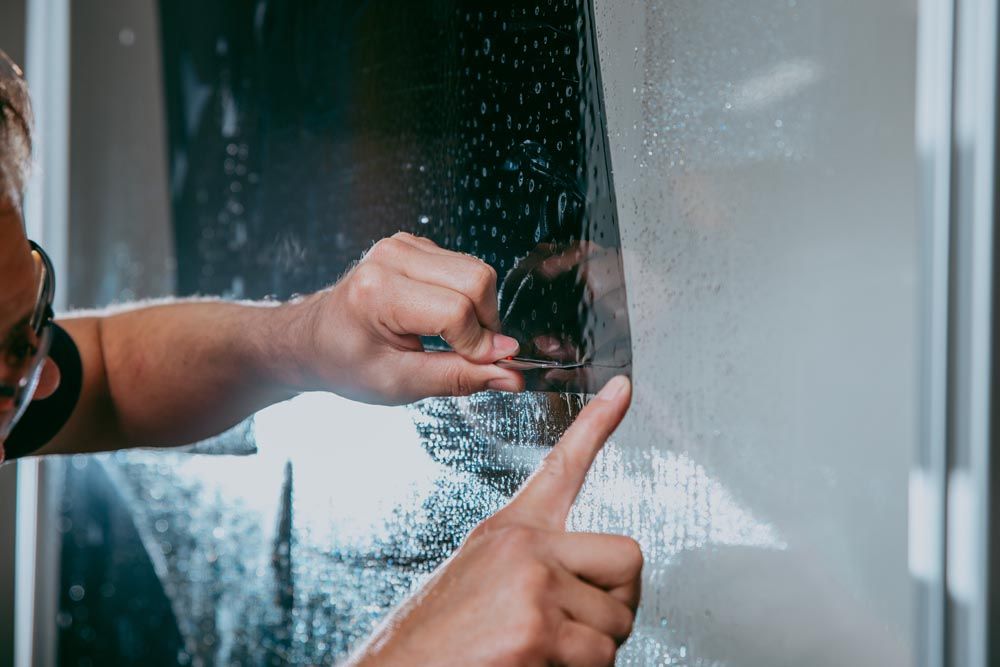
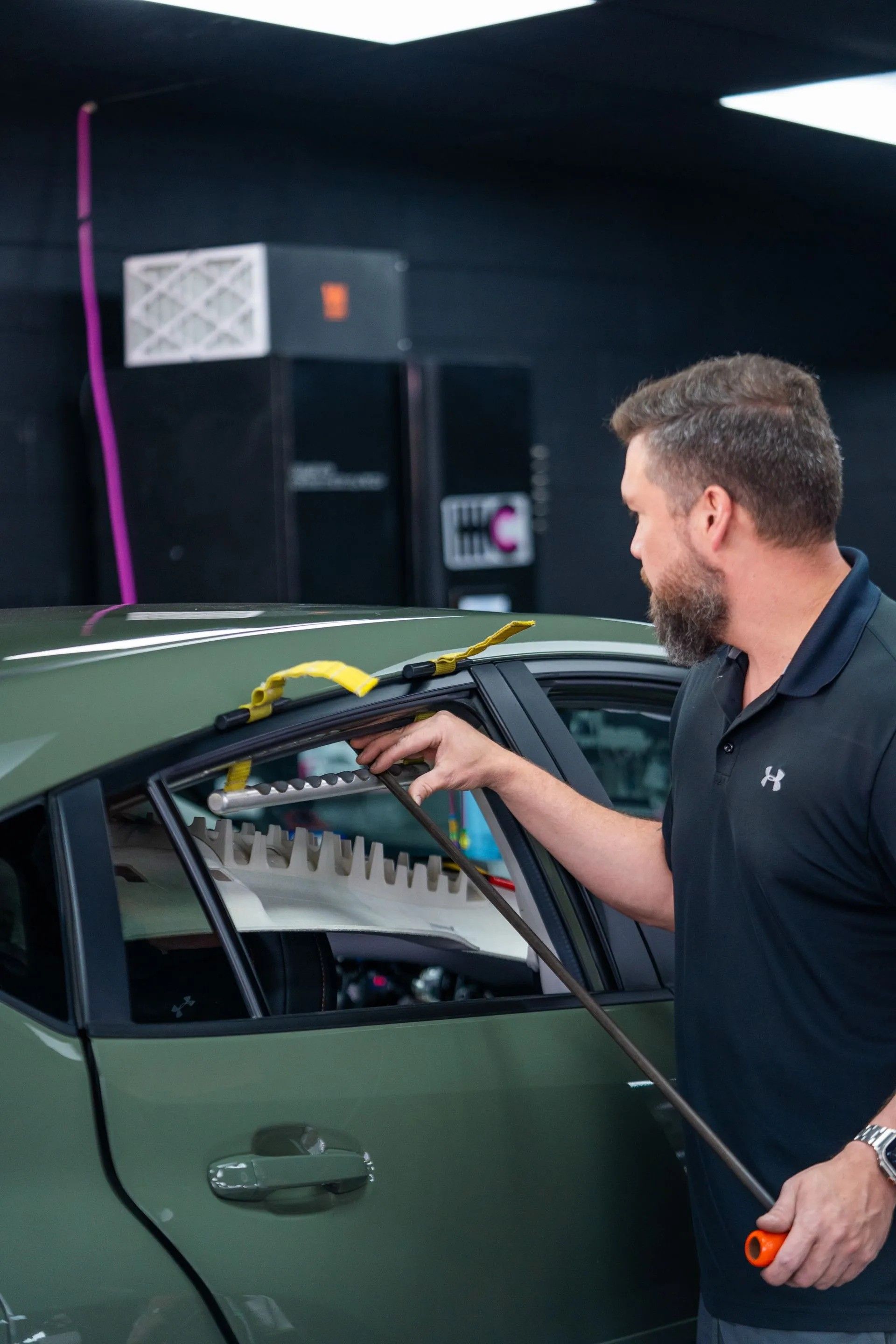
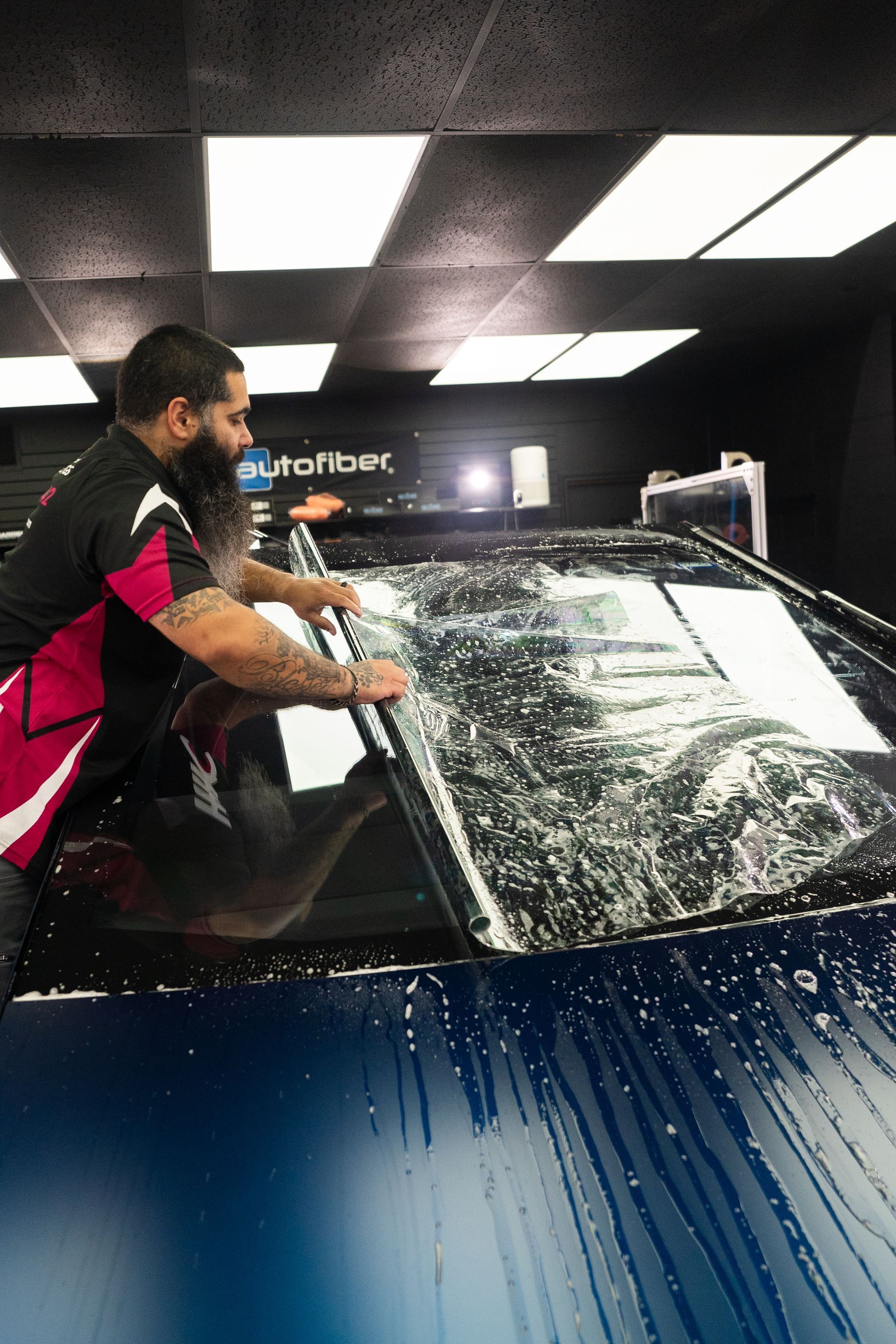
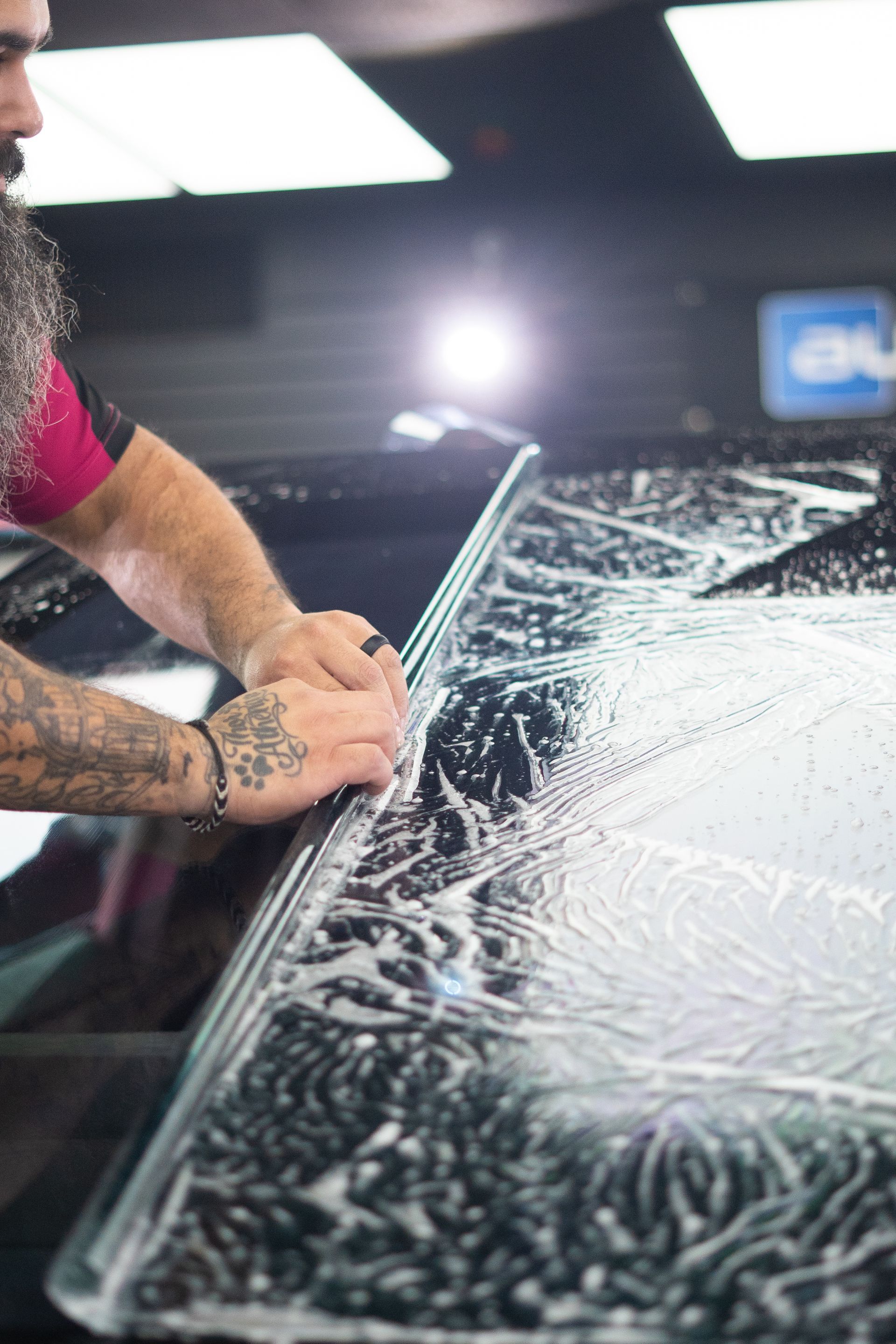
Professional installation begins with a consultation to understand your goals, followed by thorough window cleaning to remove any dirt, dust, or oils that could cause bubbling or peeling. The tint film is then carefully cut to fit your specific windows and applied using heat tools to conform smoothly to curves and edges. Air pockets and wrinkles are removed with precision tools to achieve a clean, lasting finish. Once applied, the tint requires a curing period of roughly 24 to 48 hours, during which windows should not be rolled down or exposed to moisture. Scheduling your installation when your vehicle can remain undisturbed for a couple of days will ensure the adhesive bond forms properly, giving you a result that lasts years rather than months. Quality installation transforms not just the look of your vehicle but also the overall comfort and privacy inside it, making professional service well worth the investment.
Auto window tinting marries function with style, giving drivers peace of mind alongside an elevated aesthetic. Investing in high-quality tinting enhances both your daily driving experience and your vehicle's long-term appeal.
Smart Tint Solutions for Killeen Drivers
From intense sun exposure to everyday commutes, your vehicle deserves window tinting that delivers real performance along with a clean, refined look. At HH Ceramic Coatings, Tint, Paint Protection, we provide
professional window tint installations in Killeen, TX that help reduce interior heat, block harmful UV rays, and create the level of privacy you prefer without sacrificing visibility. Our team works with high-quality films designed for durability, clarity, and long-term comfort, ensuring your tint looks great and functions exactly as it should. Book your window tint service today and enjoy a cooler, more comfortable ride built for Texas roads!