Choosing the Right Auto Tint Shade for Your Vehicle: Protection and Style Guide
Selecting the right window tint for your vehicle involves more than just choosing between dark or light options. The shade you select affects heat management, privacy levels, visibility, and even your vehicle's overall appearance. Understanding what each tint can deliver and how it aligns with your driving needs makes the decision process straightforward and effective. Choosing the right auto tint shade requires balancing legal requirements, privacy preferences, sun protection, and aesthetic appeal. For those who prioritize privacy and heat reduction in sunny climates, a 20% VLT tint offers substantial shading and UV protection while maintaining safe visibility. Alternatively, drivers focused on legality may opt for lighter tints like 35% to 50% VLT to ensure compliance and clear night vision.
Understanding Auto Tint Shade Options
Auto window tints come in various shades and materials, each designed to serve different purposes beyond aesthetics. When considering tinting your vehicle windows, you're making decisions about style, protection, comfort, and legal compliance. The selection begins with understanding the basic types of films and their characteristics.
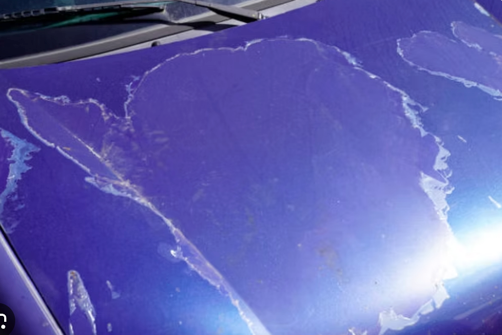
- Dyed Tints: These films work by layering dye that absorbs sunlight, reducing glare and providing a sleek dark appearance. However, their cost-effectiveness comes with trade-offs. Over time, exposure to UV rays causes the color to fade and can lead to peeling or discoloration. This type suits drivers who prioritize aesthetics on a budget and don't mind replacing or upgrading over time. They offer good initial heat reduction but don't provide the same level of protection or durability as other options.
- Metalized Tints: They embed tiny metallic particles into the film to reflect sunlight away from your vehicle. This results in better heat rejection and strengthens the windows against shattering. However, this metal layer can sometimes interfere with electronic signals such as GPS navigation, cellphone reception, or radio waves, which can be an inconvenience for drivers who rely heavily on technology. Despite this drawback, metalized tints are prized for their long-lasting durability and effective heat management.
- Carbon Tints: They offer both style and practicality. Featuring a distinctive matte finish that doesn't fade like dyed films, carbon tints provide strong UV protection and excellent heat rejection while maintaining clean visibility. The absence of metals means there's no interference with electronics, making them ideal for drivers who rely on navigation systems and mobile devices. Carbon films deliver a modern aesthetic combined with performance that lasts longer than dyed alternatives.
- Ceramic Tints: They use non-metallic ceramic particles that significantly block heat and UV rays while providing crystal-clear visibility regardless of sunlight intensity. This combination makes ceramic films especially popular in hot climates where cabin temperature control is crucial. Though ceramic tints come with a higher price point compared to other types, their benefits often justify the investment for those who want superior protection without any signal disruptions or fading concerns.
Your choice should align with your lifestyle. If privacy and style rank highest, darker dyed or carbon films serve well. If you prioritize long-term protection and signal clarity under intense sun, ceramic or high-quality carbon films stand out. Metalized tints suit those seeking rugged durability while accepting minor signal compromises.
Legal Considerations for Window Tinting
Understanding local regulations is essential before tinting your vehicle windows. Laws vary by state and are designed to balance driver comfort, safety, and public visibility. These regulations center on Visible Light Transmission (VLT), which measures how much light your tint allows through. Most states have specific VLT requirements for front side windows, rear side windows, and rear windshields. Front windows typically require higher VLT percentages to maintain driver visibility, especially during night driving or adverse weather conditions. Too dark a tint can dangerously reduce what you see, increasing the chances of accidents. Lighter tints help reduce glare and heat from sunlight, improving comfort without sacrificing safety.
Reflectivity regulations also play a role in many jurisdictions. These rules limit the mirror-like shine of tint films to prevent excessive glare for other drivers while still allowing your windows to reflect enough light to reduce heat buildup inside your vehicle. Some states require dual side mirrors if rear windows have darker tints beyond a certain limit. This ensures you maintain clear rear visibility, despite the added darkness of your rear glass. Additionally, colored tints may not be permitted in certain areas, so verify local requirements before installation. For drivers with medical conditions like photosensitivity, where sunlight triggers uncomfortable or painful reactions, medical exemptions may be available permitting darker tints than normally allowed. However, such an exemption requires proper documentation and approval through authorized state channels. Despite state laws setting a strong baseline, enforcement can vary locally. Checking with your local authorities before installation can save headaches. Using reputable installers who know regulations makes all the difference, as they'll ensure everything from film type to placement meets legal requirements.
Benefits of Vehicle Window Tinting
Vehicle window tinting delivers tangible benefits that enhance your daily driving experience and protect your investment. High-quality tints can block up to 99% of harmful ultraviolet rays. This is critical not only to reduce the risk of sun damage to your skin but also to safeguard your vehicle's interior materials. Dashboards, leather seats, and plastics suffer fading and cracking without this barrier. Window tints drastically reduce the heat entering your vehicle by as much as 60%, which means the cabin stays cooler even on hot days. This reduces reliance on air conditioning systems, leading to improved fuel efficiency and less strain on your engine. For those who spend long hours on the road or in traffic, this temperature control significantly increases comfort and reduces fatigue. Darker tints obscure the view into your vehicle, keeping your belongings hidden from prying eyes. This simple measure acts as a deterrent against theft and break-ins since criminals tend to avoid vehicles where valuables aren't visible.
Beyond theft prevention, the film itself reinforces window durability. On impact or in an accident, it holds shattered glass together, reducing injury risk from flying shards. Sunlight damage accelerates interior wear and tear. Even high-grade leather can dry out and crack without protection. Tinting helps maintain textures and colors by shielding surfaces from fading. This preservation extends your vehicle's resale value by keeping it looking newer longer. Moreover, you can choose from a broad spectrum of shades and finishes, from subtle options that offer a sleek factory look to darker films that make a bold personal statement. Professional installations now use top-tier adhesives and scratch-resistant coatings that ensure films last for years without peeling or bubbling. Many come with extended warranties reflecting their long lifespan.


Selecting the Perfect Tint for Your Needs
Selecting the ideal auto tint shade means aligning your choice with how you use your vehicle daily. This requires honestly assessing your needs for visibility, privacy, protection, and legal compliance. If you're a daily commuter navigating streets early in the morning or late at night, you'll want a tint that offers balance: something that reduces glare but doesn't compromise how clearly you see road signs or pedestrians in low light. Shades with a visible light transmission (VLT) between 30% and 50% often hit this sweet spot, providing enough darkness to block harsh sunlight while keeping your vision crisp during nighttime drives. If you enjoy relaxing weekend drives, darker tints can enhance style and privacy dramatically. Films with VLT values between 5% and 20% create that sleek, sporty look while keeping prying eyes at bay. Just remember to double-check local regulations to ensure compliance and safety.
For families or those who prioritize clear visibility above all else, higher VLT tints between 50% and 70% are preferable. These lighter films maintain excellent clarity, particularly useful when driving in mixed lighting conditions. While these lighter shades may offer somewhat less heat reduction compared to darker options, advancements in ceramic and carbon film technologies mean they still provide solid UV protection without sacrificing comfort. Climate considerations matter significantly. Prioritize films with strong heat rejection like ceramic or carbon tints in sunny regions. Privacy needs also factor into your decision. Lower VLT percentages increase concealment, ideal for carrying valuables or providing passengers with discretion. Technology compatibility is another consideration since metalized films reduce heat but may interfere with GPS and mobile devices, while ceramic or carbon films avoid this issue entirely.
Professional Installation and Maintenance
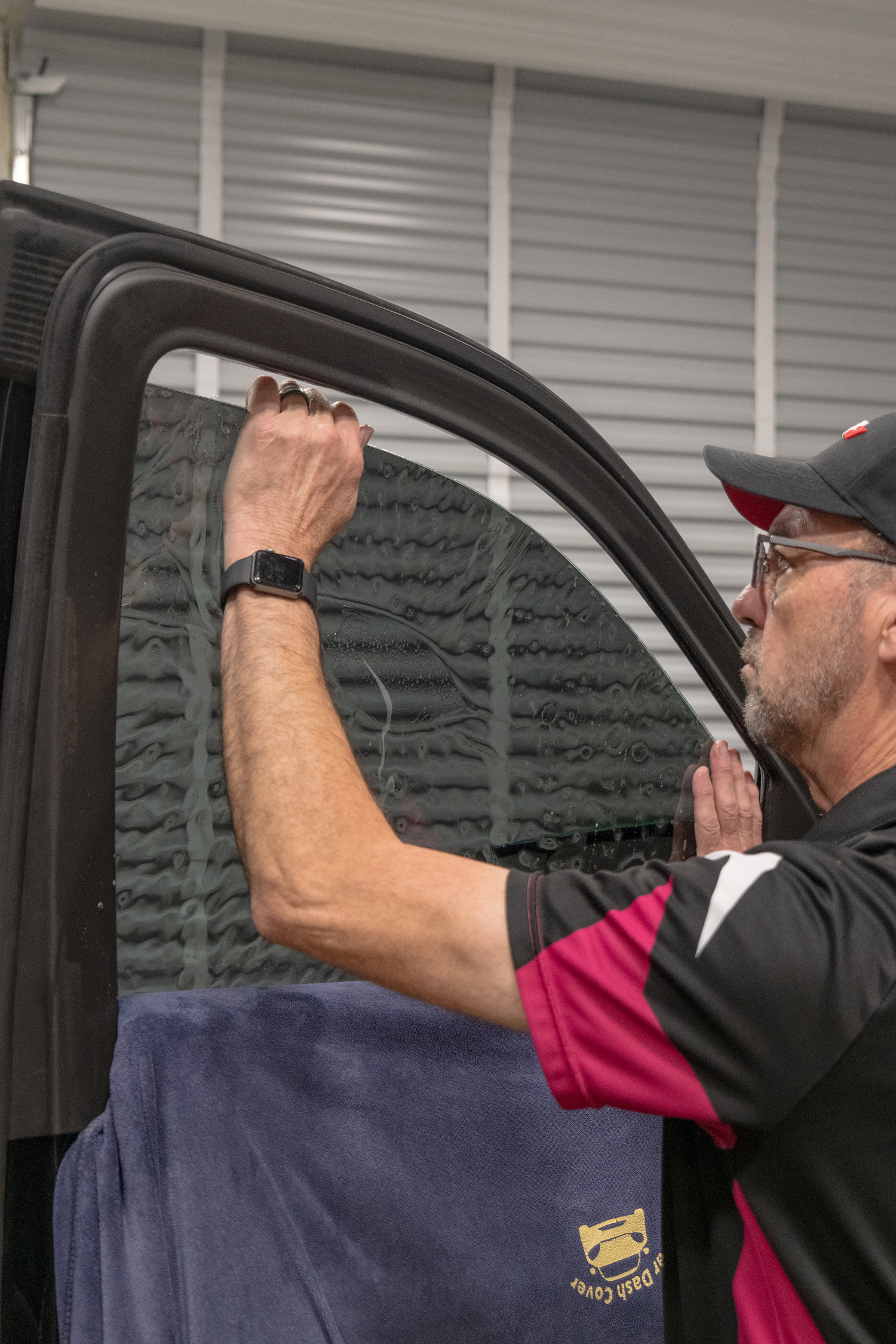
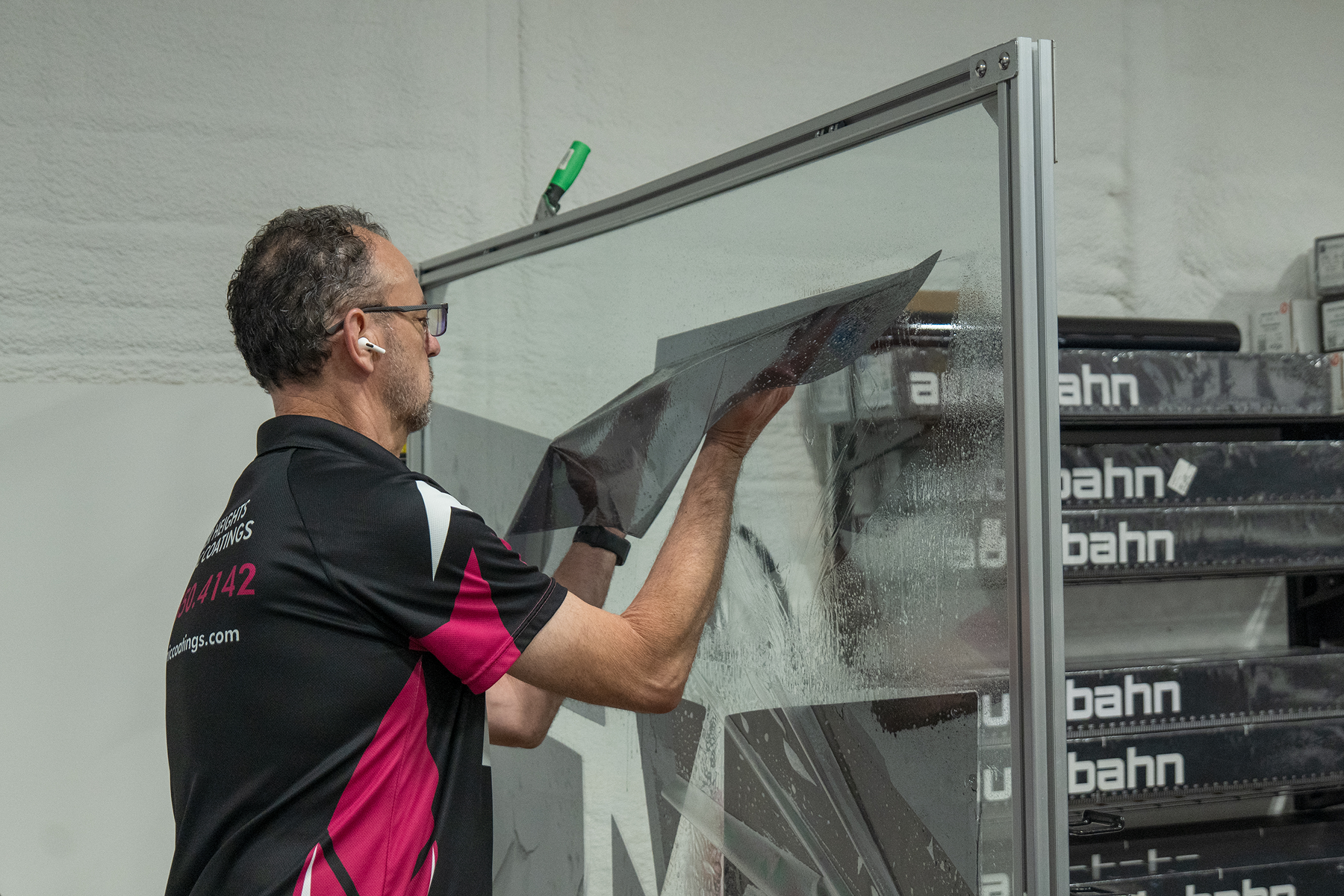
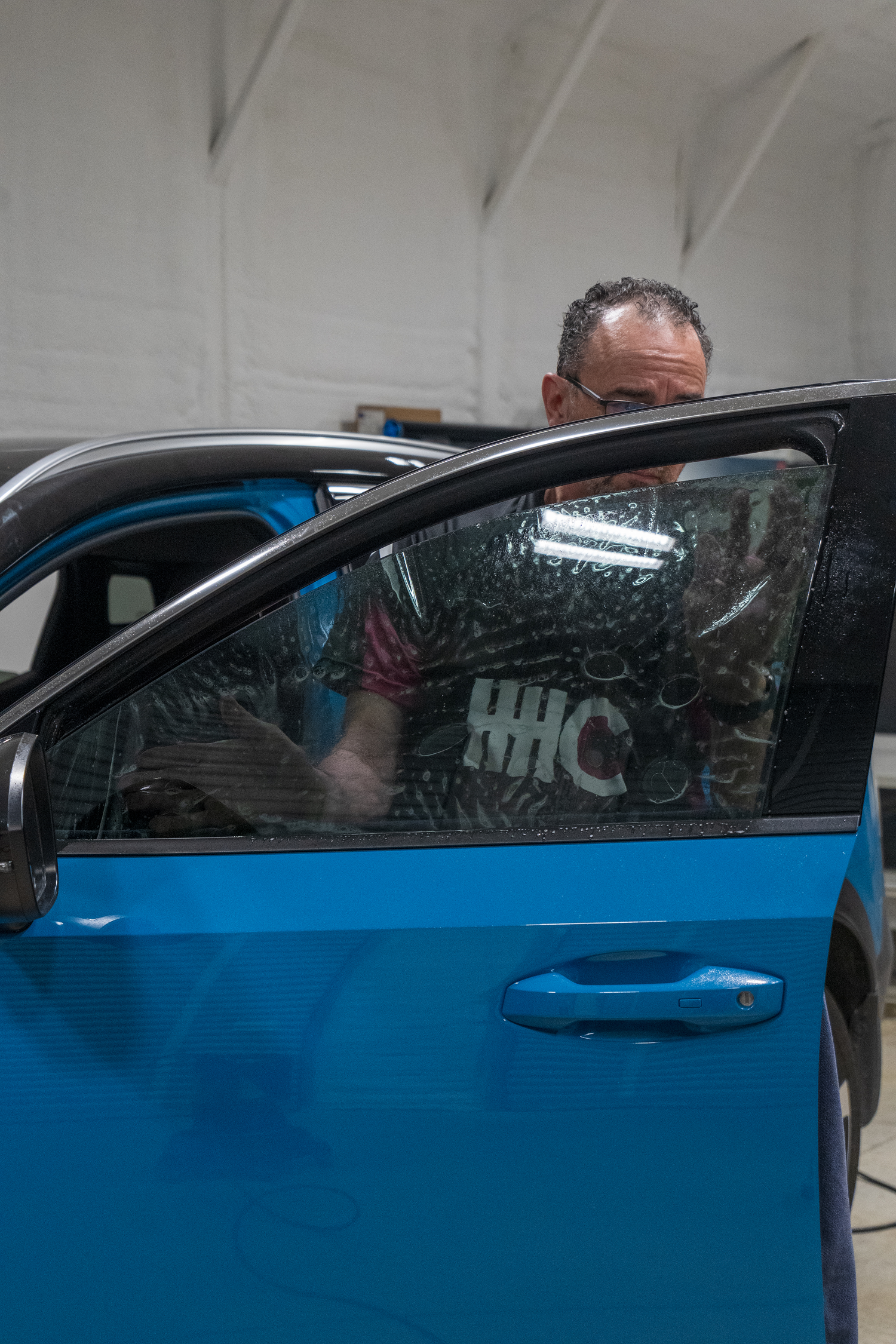
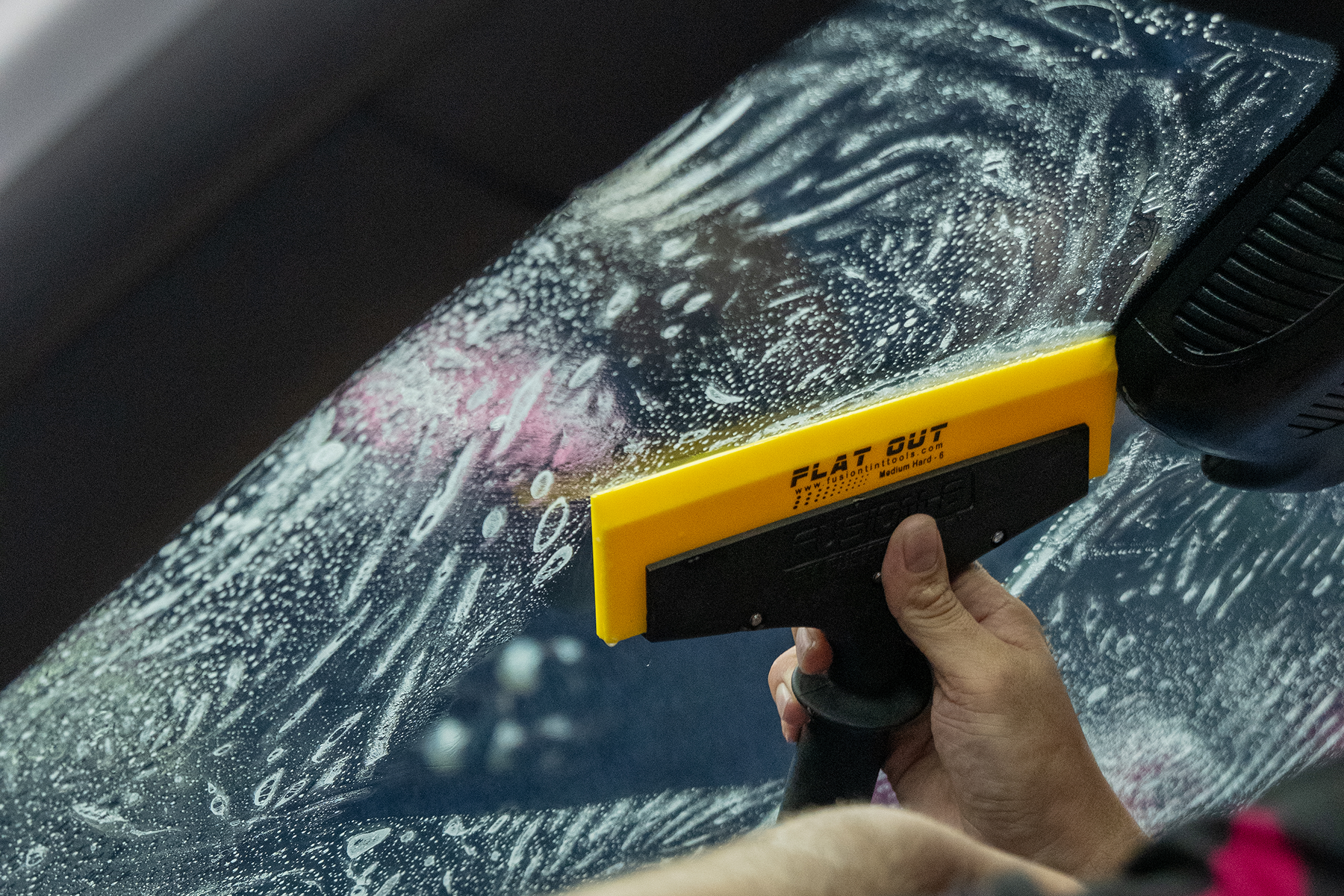
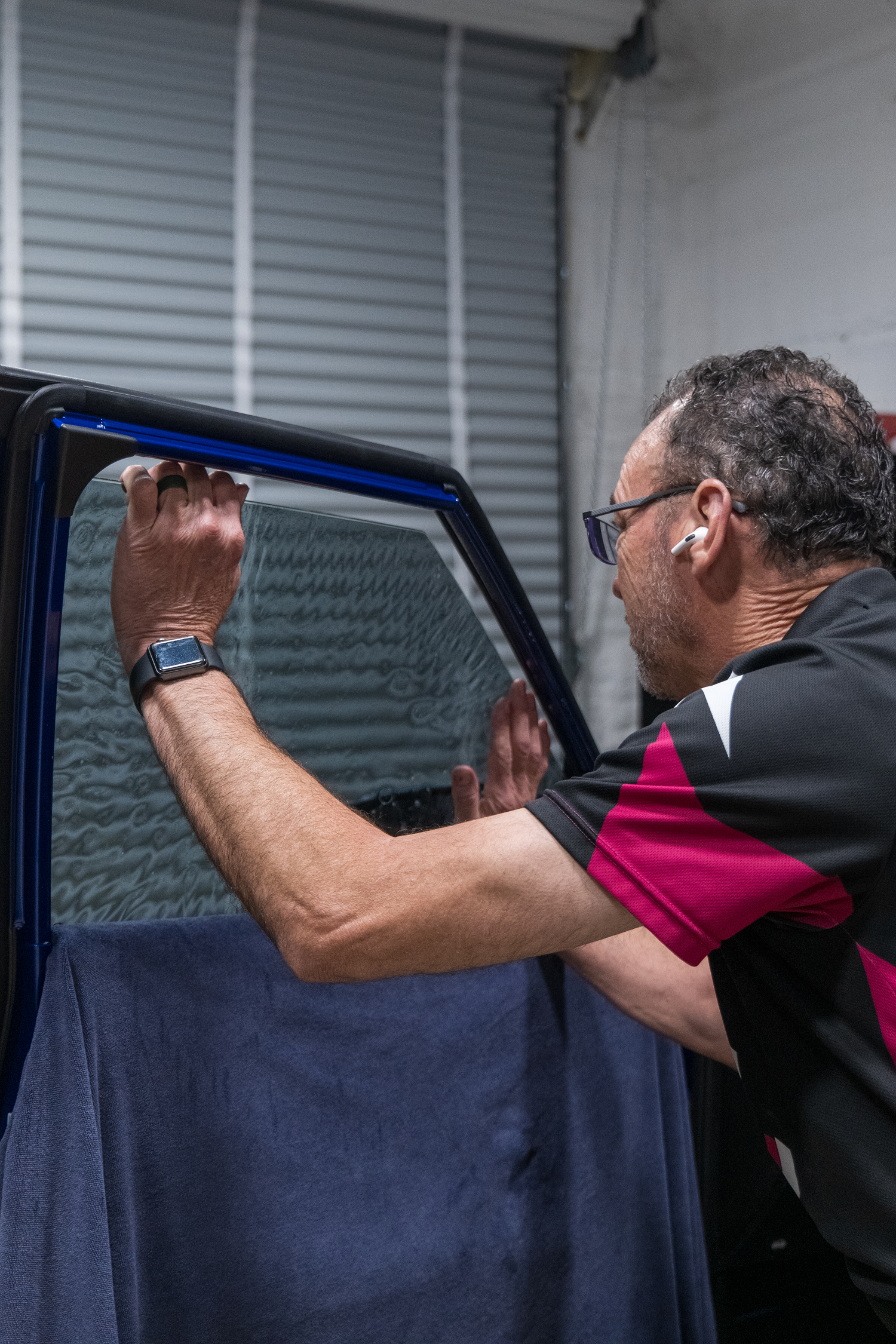
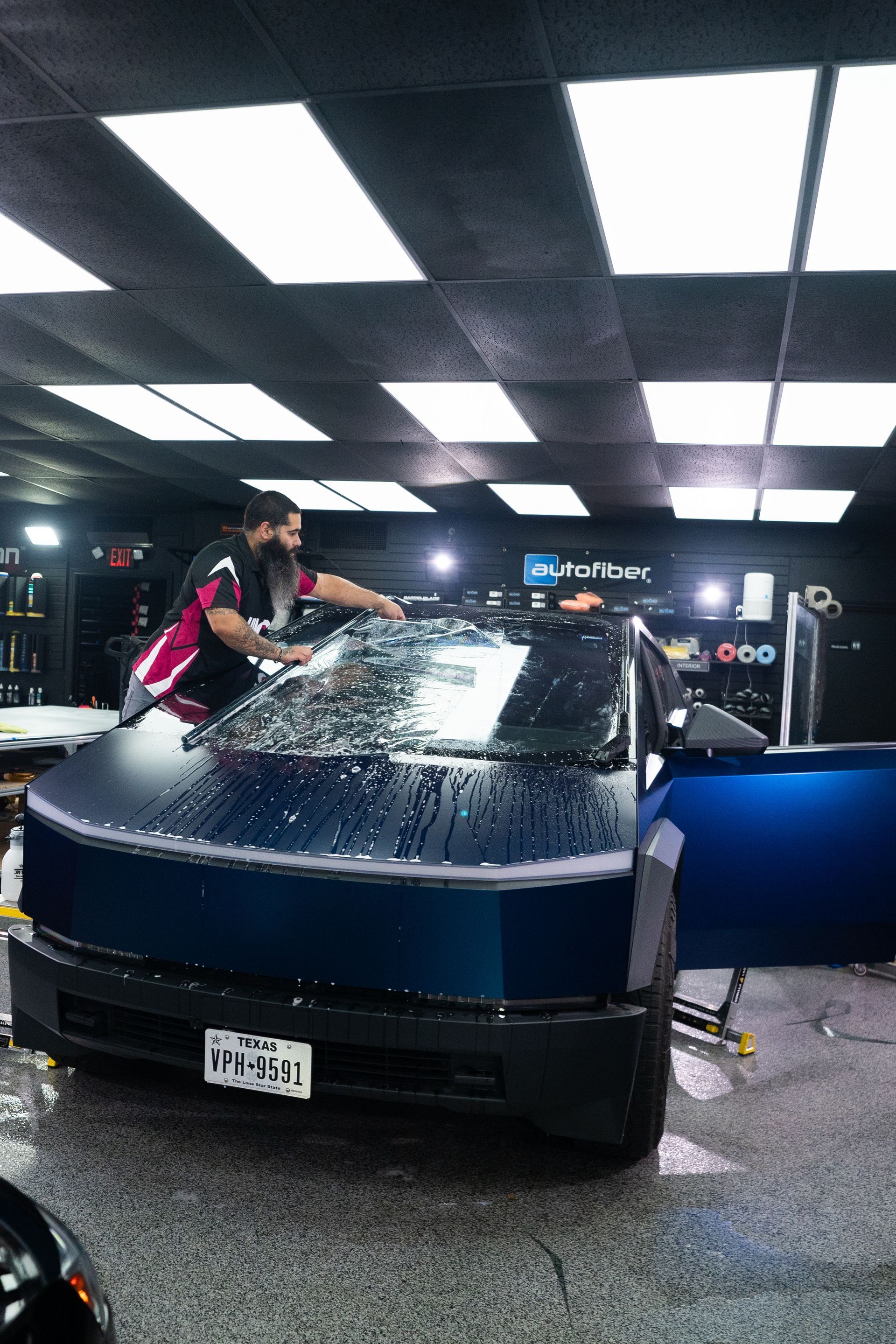
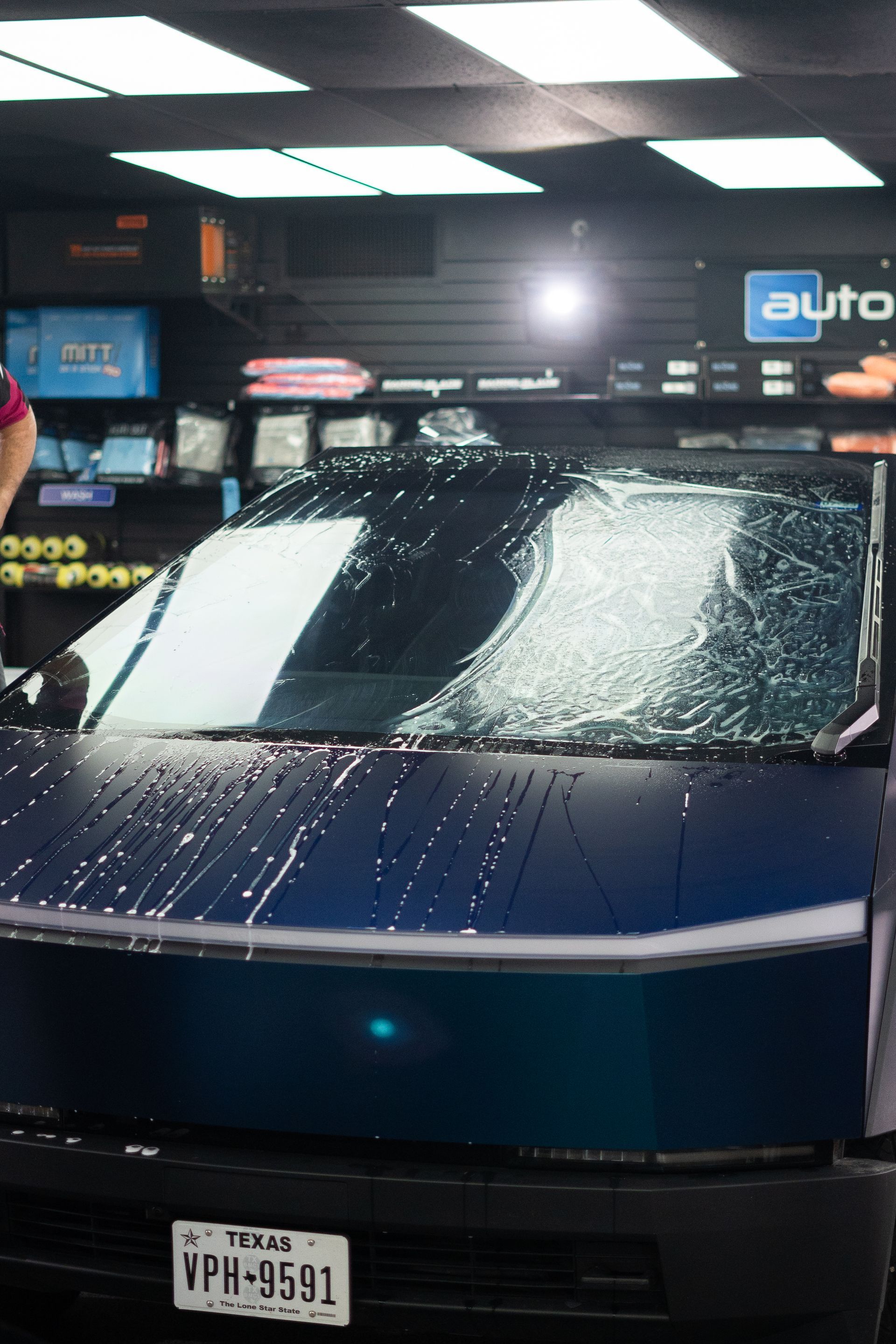
Whether you choose professional installation or attempt the job yourself, the installation process plays a crucial role in the overall look and effectiveness of your tint. Professional installation offers precision, durability, and peace of mind because experts use specialized tools and materials. Professionals also ensure that no dirt or bubbles get trapped between the film and glass, which can drastically affect the finish. Maintaining your window tints properly ensures longevity and effectiveness. Clean your tinted windows with a mild, ammonia-free cleaner. Ammonia-based products can quickly degrade the adhesive layer holding the tint to your glass, leading to peeling or discoloration. Instead, choose gentle glass cleaners or simply mix a bit of mild soap with water. Apply these with a soft microfiber cloth using smooth, circular motions to prevent scratches and keep the surface pristine.
After tint installation, resist the urge to roll down your windows immediately. Freshly applied tint films require a curing period, usually between two to four days for most standard films and up to a week for ceramic or carbon tints. During this time, any movement can disrupt adhesion and lead to bubbling or shifting. Protect your tint from physical damage. Sharp objects such as keys, seatbelt buckles, or pet claws can scratch the delicate film. Advising all passengers to handle window areas with care helps maintain that flawless finish. Parking in shaded areas or garages when possible adds significant preservation benefits by protecting against sun damage over time. Periodically check your tint for bubbles, peeling edges, wrinkles, or discoloration. Early detection of issues allows for timely professional intervention that can extend your tint's life while preserving its look and function. Thoughtful maintenance tailored to your tint type and lifestyle protects your investment and enhances driving comfort by retaining UV filtration and privacy features longer. Taking these steps transforms window tinting from a fleeting upgrade into a lasting improvement for your vehicle.
Professional Window Tinting in Killeen, TX
Choosing the right tint shade becomes effortless when you partner with Harker Heights Ceramic Coatings for
expert auto window tinting services in Killeen, TX. Our team installs premium films designed to enhance comfort, boost privacy, and protect your vehicle from harsh UV rays while giving you a customized look that fits your driving style. Whether you need lighter shades for clarity or darker options for added privacy, we help you find the ideal match with precision and long-lasting quality.
Book your window tinting service with Harker Heights Ceramic Coatings today!