The Art of Seamless PPF: A Professional Guide to Techniques Only Pros Use
When it comes to protecting your car's finish, paint protection film (PPF) is more than just a clear sticker slapped on the surface. It's a high-tech shield that, when applied correctly, can keep your vehicle looking new for years. But the difference between a mediocre job and a flawless, nearly invisible installation comes down to more than just the film itself. It's the skill and techniques professionals use that make all the difference. In this guide, we'll dive into the expert methods that turn PPF application from a simple task into a precise craft, ensuring your car stays protected without anyone even noticing the shield's there.
Professional seamless PPF installation relies on meticulous surface preparation, precise cutting using specialized utility knives, and applying slip solutions to enable perfect film positioning. Experts use controlled heat application to conform films to complex curves, expertly eliminate air bubbles with high-quality squeegees from the center outward, and employ advanced edge-wrapping and heat sealing methods that create nearly invisible, durable edges to prevent dirt infiltration and ensure long-lasting protection.
The Art Behind Seamless Paint Protection Film
Seamless PPF installation demands far more than simply applying a protective sheet onto a vehicle's surface. It's about creating an invisible guardian that blends effortlessly with the car's original paint finish. This level of finesse requires technicians to tailor their approach for each unique vehicle shape and surface contour. The film must flow naturally over complex curves and edges without any visible seams or overlaps that can mar both aesthetics and protection. Achieving this near-invisibility involves a careful choreography of technique and tools. Installers begin by cleaning the vehicle meticulously to remove any dust, oils, or residues that could compromise adhesion. This step cannot be rushed or overlooked. Then comes the artful cutting: the film is trimmed with razor-sharp blades along exacting panel lines, ensuring there are no gaps or excessive overlaps that might catch dirt or peel prematurely.
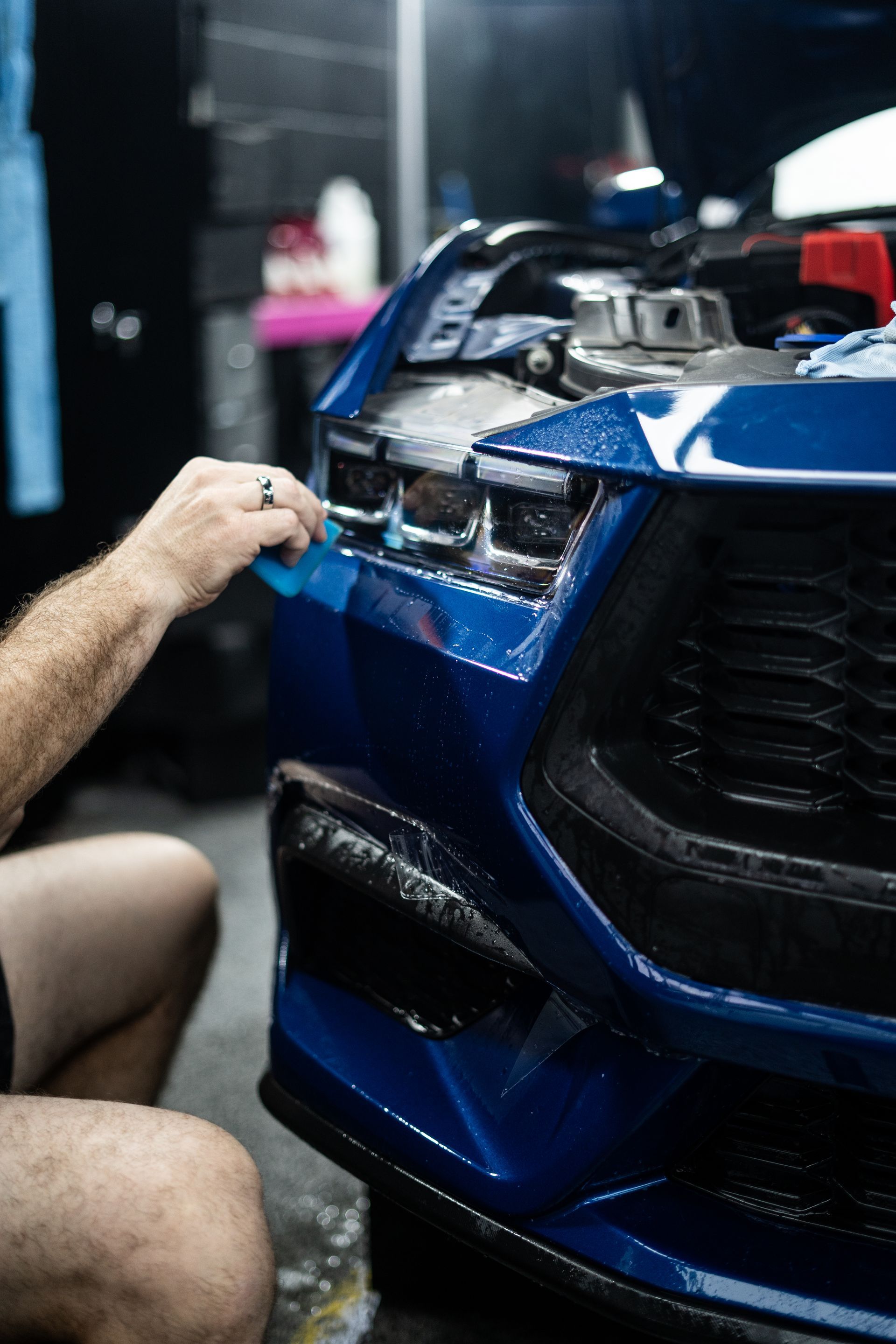
Wrapping the edges means folding the film gently into crevices to create a fully sealed perimeter. This prevents moisture or contaminants from infiltrating beneath the film, a crucial factor in its longevity. The use of heat guns in controlled bursts softens the film, allowing it to stretch subtly when conforming around tight radii without causing wrinkles or distortion. This thermal shaping ensures the film hugs every curve perfectly while protecting the adhesive's integrity. At the same time, professional-grade squeegees with soft felt edges are instrumental in systematically pushing out air bubbles from the center outward, eliminating the risk of trapped pockets, which can degrade both appearance and performance over time. Beyond hardware, a successful seamless PPF job hinges on understanding how pressure and temperature influence the film's behavior during application. Too much force risks overstretching and weakening, while too little leaves areas vulnerable to lifting. Skilled installers develop an intuitive feel for balancing these variables, adjusting their method panel by panel. The outcome is a smooth, glass-like finish that preserves not only your vehicle's beauty but also guards against scratches, chips, and UV exposure for years.
Essential Tools and Materials
Achieving a seamless paint protection film installation starts long before the film touches the vehicle. It begins with the tools and materials an installer relies on. Each item directly affects precision, adhesion, clarity, and durability. When the right tools are used correctly, the film blends effortlessly with the vehicle’s finish, creating the invisible shield drivers expect from a professional PPF installation.
- Precision Utility Knives: These knives trace complex vehicle contours with razor-sharp accuracy, ensuring no gaps or overlaps disrupt the film’s near-invisible appearance. A dull blade risks jagged edges or tearing, which compromises both aesthetics and protection.
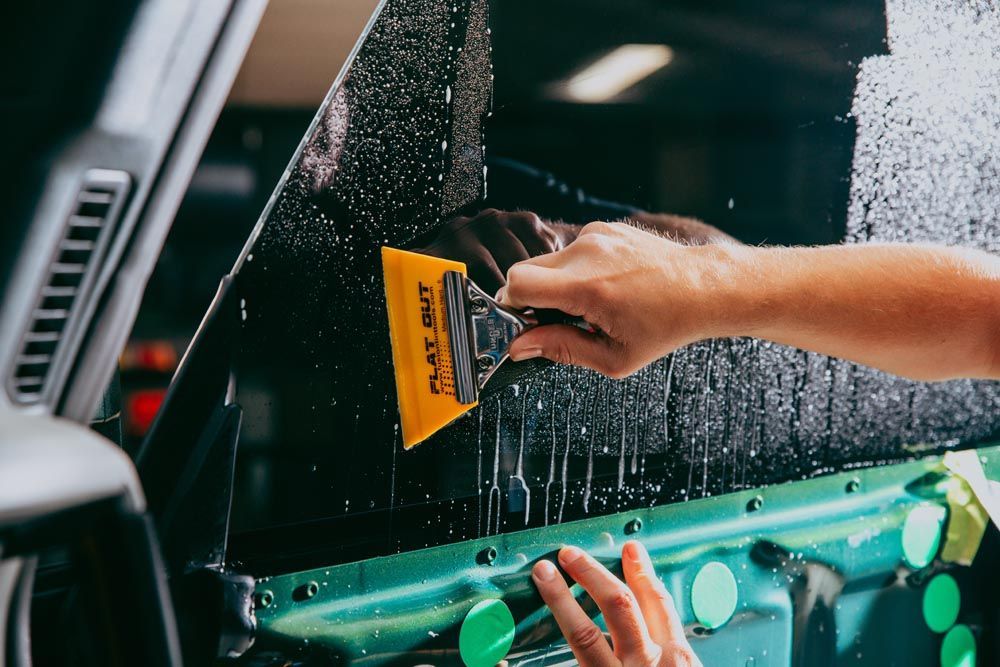
- High-Quality Squeegees: Equipped with soft felt edges in multiple sizes, squeegees help apply consistent pressure to remove air bubbles and excess slip solution. Proper technique, such as pushing outward from the center, prevents wrinkles, lifting, or trapped pockets that could cause bubbling over time.
- Heat Guns: Controlled bursts of warm air soften the PPF material, allowing it to stretch smoothly over tight curves and intricate angles. Careful heating preserves optical clarity and avoids overstressing the film, ensuring longevity and strong adhesion.
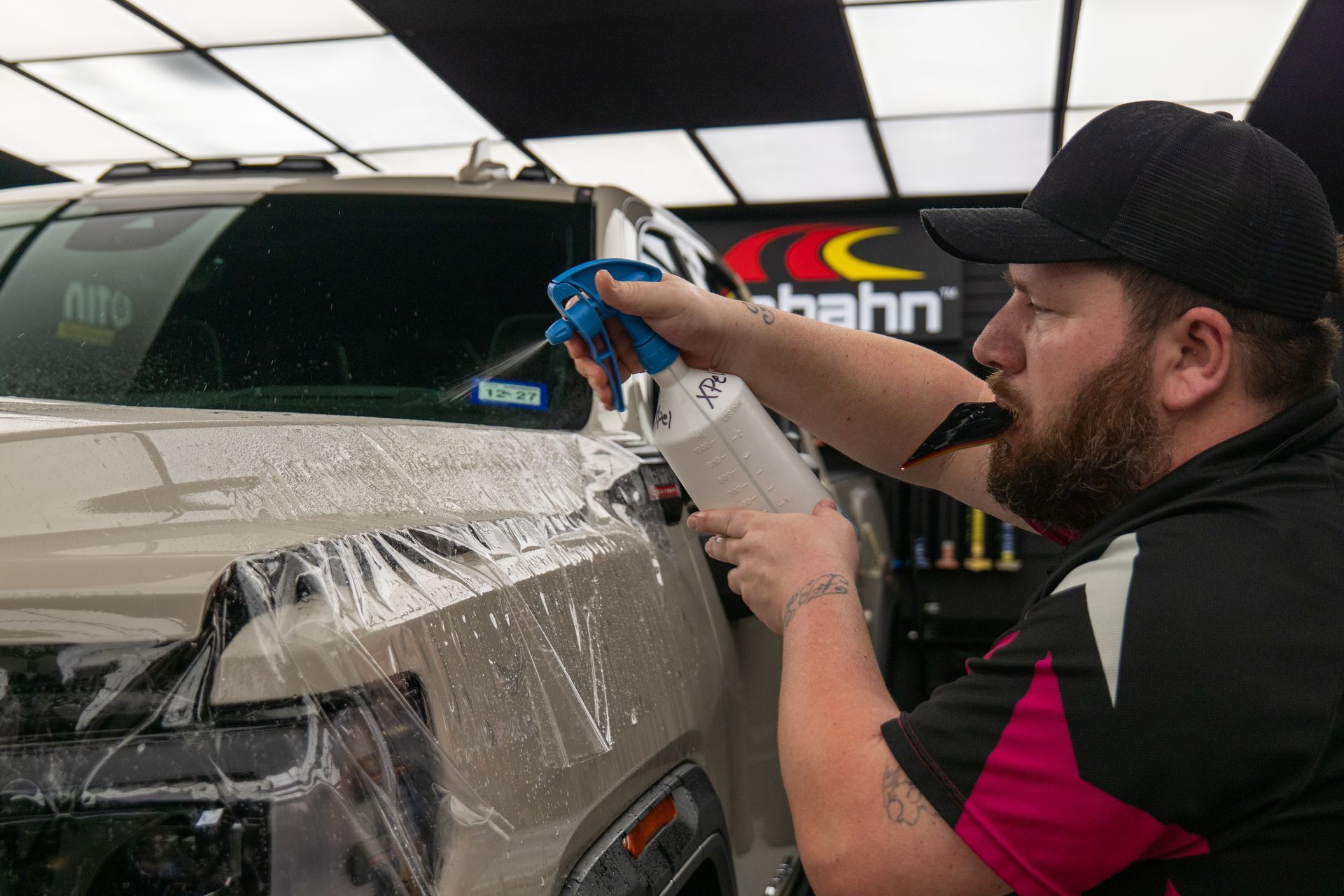
- Slip Solutions: Typically a blend of distilled water and mild soap, slip solutions act as a temporary lubricant beneath the film. This enables repositioning before the adhesive sets, allowing installers to achieve a flawless and blemish-free finish with precision.
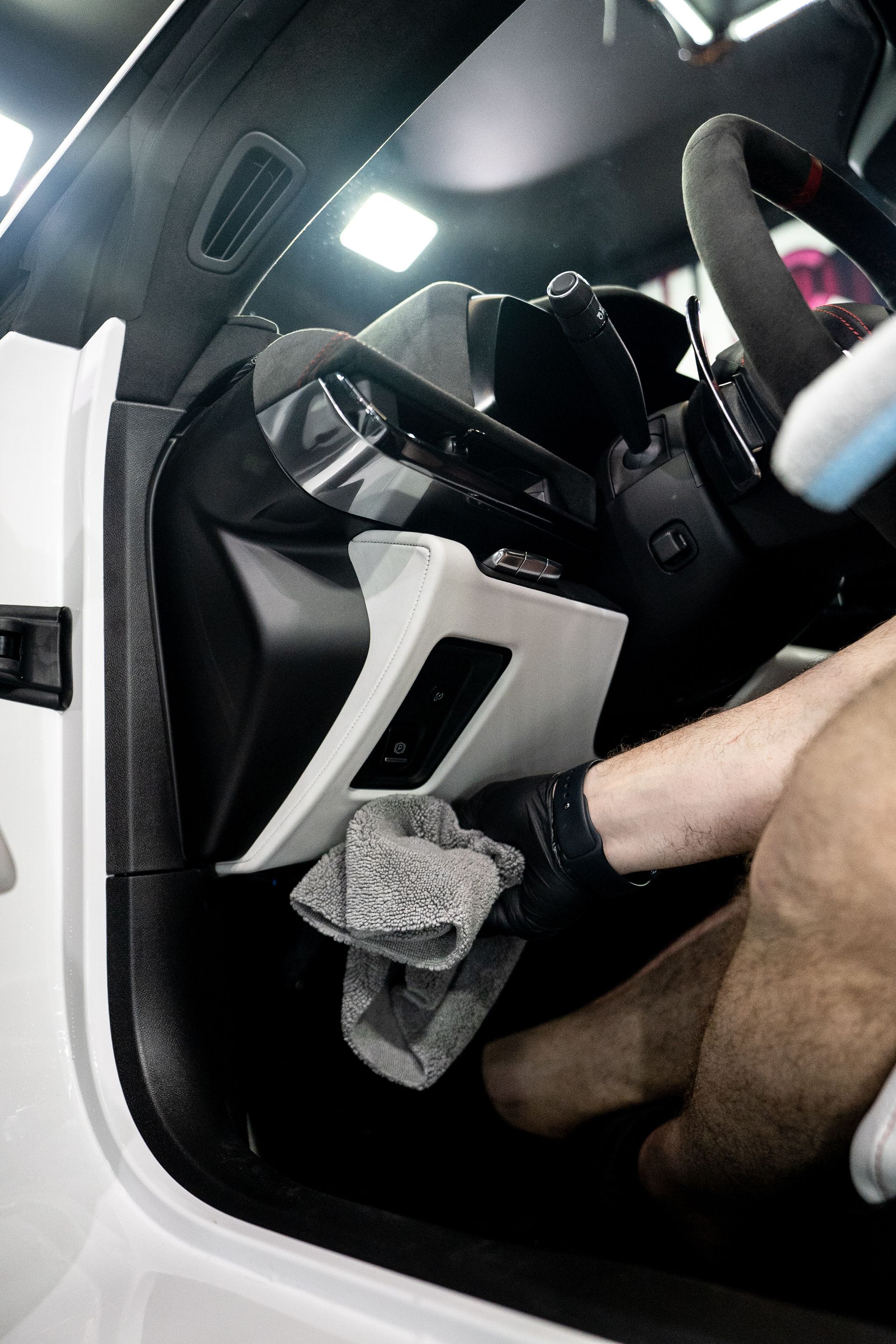
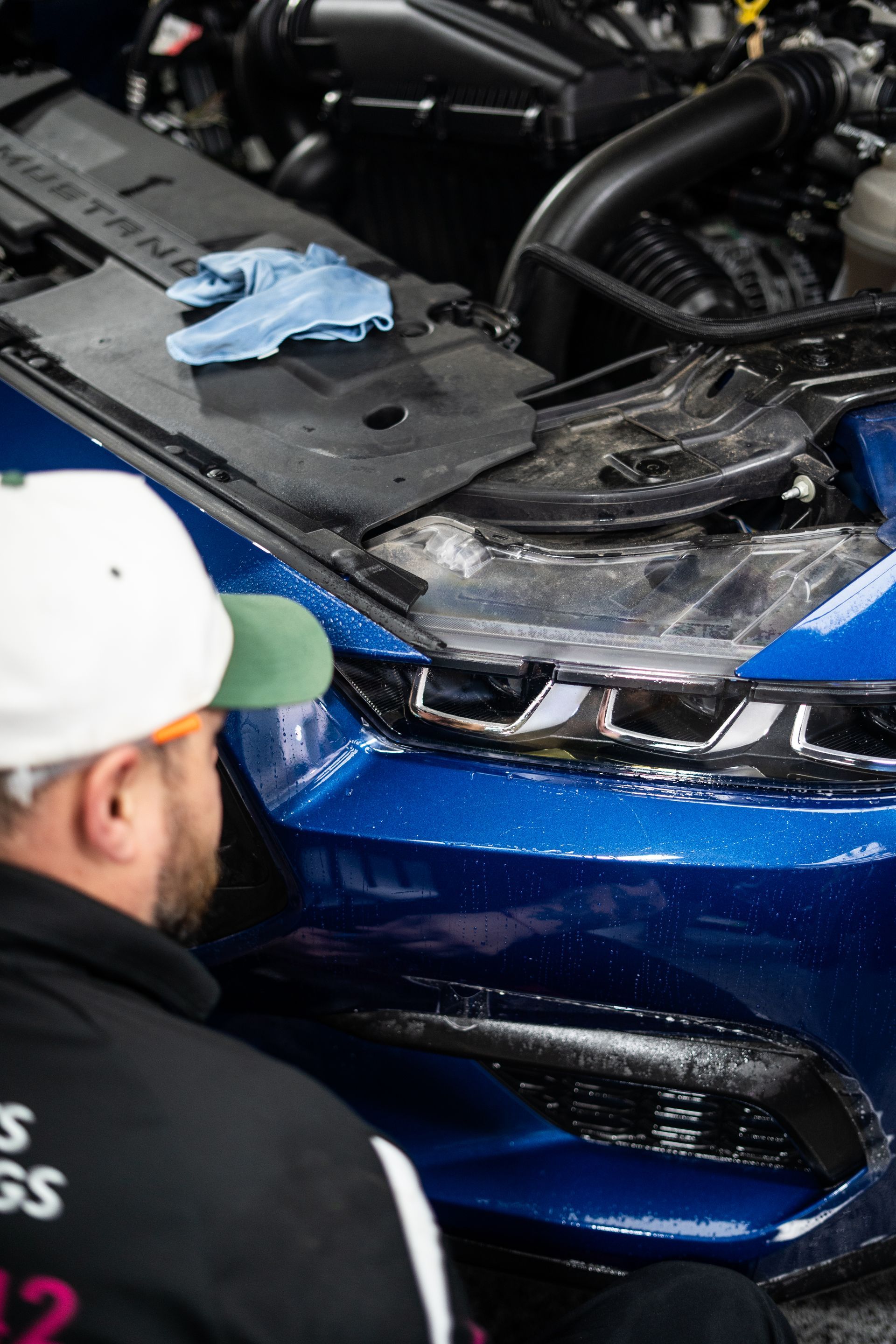
- Lint-Free Cloths: Specialized microfiber towels prevent dust or fibers from contaminating the surface. Even the smallest particle beneath the film can spoil the appearance, making clean and debris-free preparation essential.
Using the right tools does more than make installation easier. It guarantees the clean, seamless, and long-lasting results that define a premium paint protection film application. When technicians combine skill with proper equipment, the film protects the vehicle as intended while maintaining a smooth and factory-like finish that lasts for years.
Advanced Installation Techniques
The wet application method is the backbone of seamless PPF installation, favored by experts for its flexibility during positioning. It begins with a meticulous cleaning process using an alcohol-based cleaner to strip away every trace of oils and contaminants that could compromise adhesion. This step alone sets the foundation for a perfect finish because even the tiniest residue can create bubbles or peeling later on. Next comes the generous application of slip solution, not just on the adhesive side of the film but also on the vehicle's surface itself. This dual lubrication is critical: it lets you glide the film into place effortlessly, allowing for micro-adjustments without risking premature stickiness.
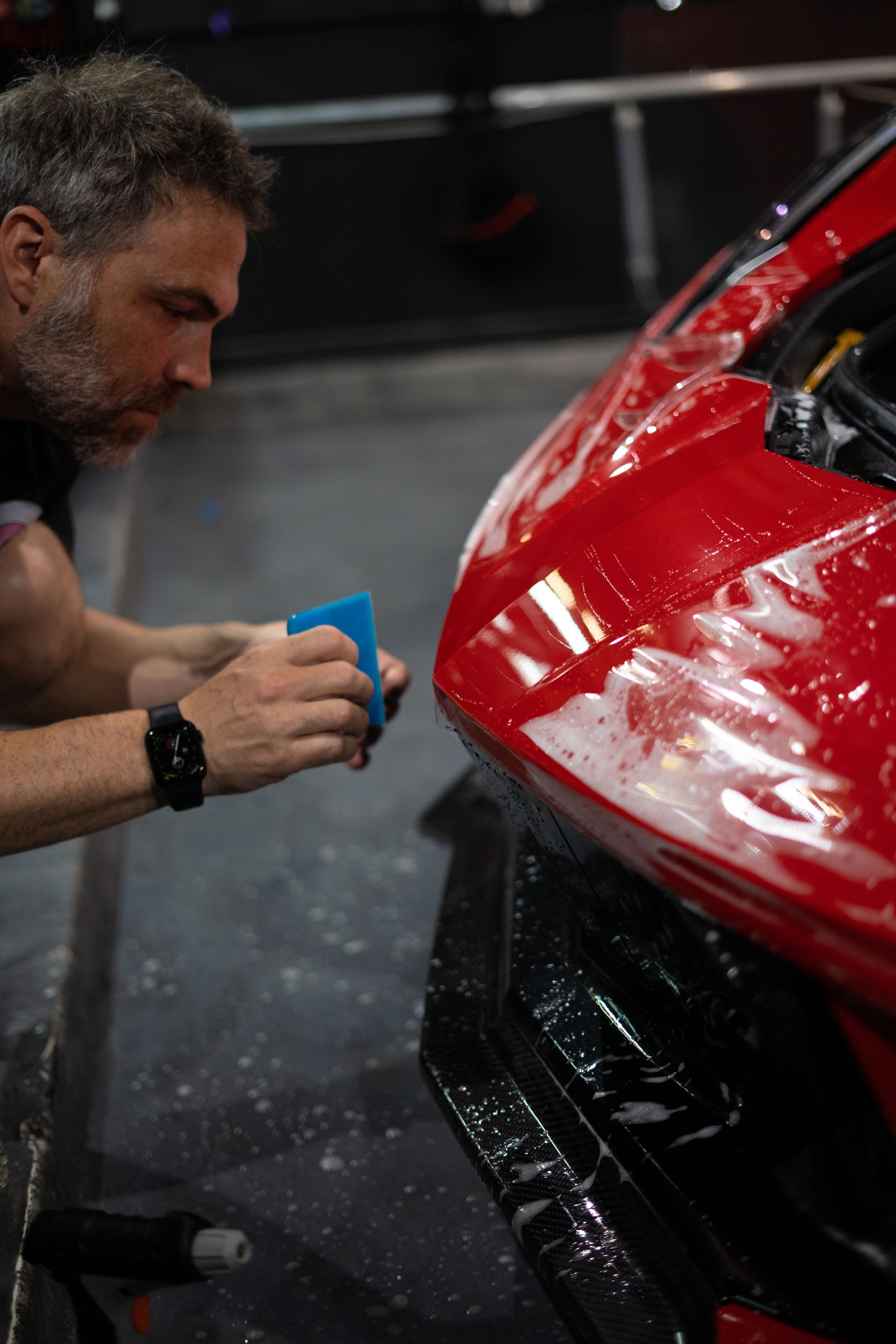
Squeegeeing is where patience and technique intersect. Starting at the center and moving outward eradicates trapped air and excess fluid under the film, preventing unsightly bubbles and wrinkles. Using specialized squeegees with soft, flexible edges preserves both the film's integrity and your vehicle's paint beneath. Professionals often repeat passes over edges more than once, ensuring a tight seal along each contour. Heat activation follows, requiring a careful balance of temperature and timing. Controlled warmth renders the film pliable enough to mold snugly around complex shapes like bumpers or door handles without overstretching or warping. Too much heat risks permanent deformation, while too little leaves loose edges prone to lifting. The stretch and tuck technique complements wet application perfectly for intricate contours. By gently stretching the film over challenging areas and tucking excess beneath body panels, professionals achieve a near-invisible transition between exposed paint and protected surfaces.
Achieving Perfect Edges
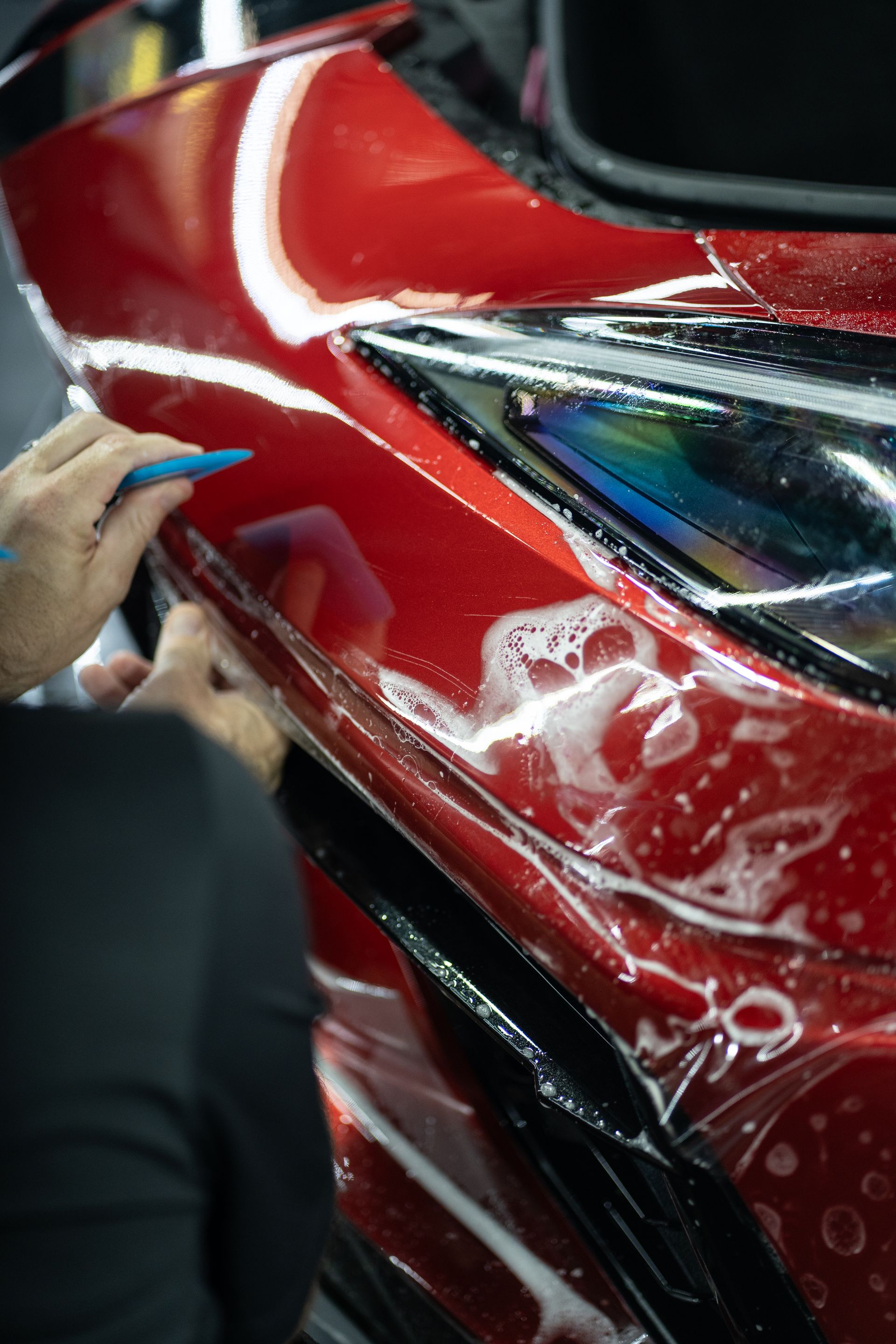
Perfect edges are the unsung heroes in paint protection film application. If the edges are sloppy or poorly finished, it doesn't just spoil the look. It invites debris, moisture, and air beneath the film, which leads to bubbling, lifting, and premature failure. Edge wrapping is a delicate art. Instead of stopping the film at the panel border, installers carefully fold the film around corners and into tiny crevices. This wrap creates a physical barrier that locks out dust and lowers chances of peeling. It requires skillful heat application to soften the film so it molds neatly without stretching or warping.
Heat sealing takes this to another level. After wrapping, a controlled blast from a heat gun activates the adhesive along the edges, making sure it bonds permanently to every nook and cranny. This step demands patience. Too much heat can distort or discolor the film, while too little risks weak bonds where contaminants can sneak in. Pressure management is equally critical. Uneven pressure leads to tiny wrinkles or stretched edges that look raised or bubble over time. Experts apply firm but even force, moving systematically outward from the panel center toward the edges. This technique pushes out trapped air gently and aligns the adhesive perfectly without tension. When all three techniques are applied meticulously, the result is a flawless finish with edges so tight you won't even notice them.
Enhancing Longevity Through Proper Care
Longevity distinguishes professional-quality installations from makeshift attempts. When done right, your PPF becomes a long-lasting partner, preserving your vehicle's allure and value. This endurance begins with ongoing care and an informed maintenance routine. Regular maintenance safeguards against premature wear and tear. Dirt and abrasive contaminants caught beneath or on top of the film are the most common culprits speeding up deterioration. Using harsh soaps or rough cloths can scratch or dull the carefully applied layer. Instead, seek out pH-neutral car shampoos designed specifically for delicate automotive surfaces.
Beyond daily cleaning, periodic inspection is crucial. Taking the time every few months to closely examine your PPF helps you catch issues early. Look for signs like lifting edges, minor bubbles, or discolorations, which can let moisture or debris creep underneath and compromise adhesion. Professional detailers often advise scheduling a check-up twice a year to assess overall integrity. Experts can rejuvenate the film using specialized conditioners that restore clarity and flexibility. If damage is detected, timely intervention ensures resealing or patching before more extensive problems develop. Environmental factors also play a role in film aging. UV rays, chemical exposure from road salts or pollutants, and extreme temperature swings can weaken the adhesive bonds and degrade the material itself. Today's advanced films incorporate enhanced resistance to these elements, combining durable coatings with intelligent self-healing technology.
Mastering Patience and Precision
Patience is the deliberate, focused action of taking time to ensure that every inch of film lies exactly where it should. A professional installer knows that each step is critical in avoiding imperfections that might become visible later. Those who try to speed through risk trapping bubbles or ending up with edges that lift prematurely. Precision introduces a meticulous level of detail to the process. It starts with using razor-sharp blades to trim film edges cleanly without jagged cuts or damage to the paint underneath. Every cut must be intentional and confident. This precision extends to how squeegees are handled, ensuring consistent pressure is applied from center outward. The interplay between patience and precision becomes even more important when working on the tight contours of vehicle panels or intricate crevices. Installers use heat guns carefully, slowly warming the film so it conforms smoothly without stretching or distortion.
Professionals develop a feel for this over countless installations, turning what seems like a simple application into an exacting craft. Understanding that seamless PPF isn't about covering a panel quickly but about sculpting an almost invisible shield is key. That subtle perfection is only possible when installers prioritize thoroughness over speed. Embracing patience and precision throughout every stage ensures not only superior visual appeal but also maximizes durability and protection longevity. Mastering these professional techniques transforms paint protection film installation from a routine task into an art form, delivering flawless, long-lasting results that elevate vehicle care to new heights.
Top PPF Services in Belton, TX
Protecting your vehicle starts with a PPF installation that is done right, and Harker Heights Ceramic Coatings brings that expertise to Belton, TX. Our premium film technology and advanced application methods create a strong yet invisible barrier over your paint, defending it from chips, scratches, and harmful UV rays. The result is a vehicle that maintains its finish and value through every season.
Contact Harker Heights Ceramic Coatings
to book your PPF installation!