Professional Tinting for Curved Glass Vehicles: Essential Benefits and Quality Installation
When it comes to tinting your vehicle's windows, curved glass adds a layer of challenge that many people overlook. Unlike flat windows, getting tint film to fit perfectly on rounded or slanted glass requires skill, specialized tools, and the right materials. If done incorrectly, the tint can bubble, peel, or look uneven, which affects appearance and reduces important benefits like heat rejection and UV protection. This article explores why professional tinting is essential for curved glass vehicles, what makes the process unique, and how quality installation makes all the difference.
Why Curved Glass Vehicles Deserve Professional Tinting
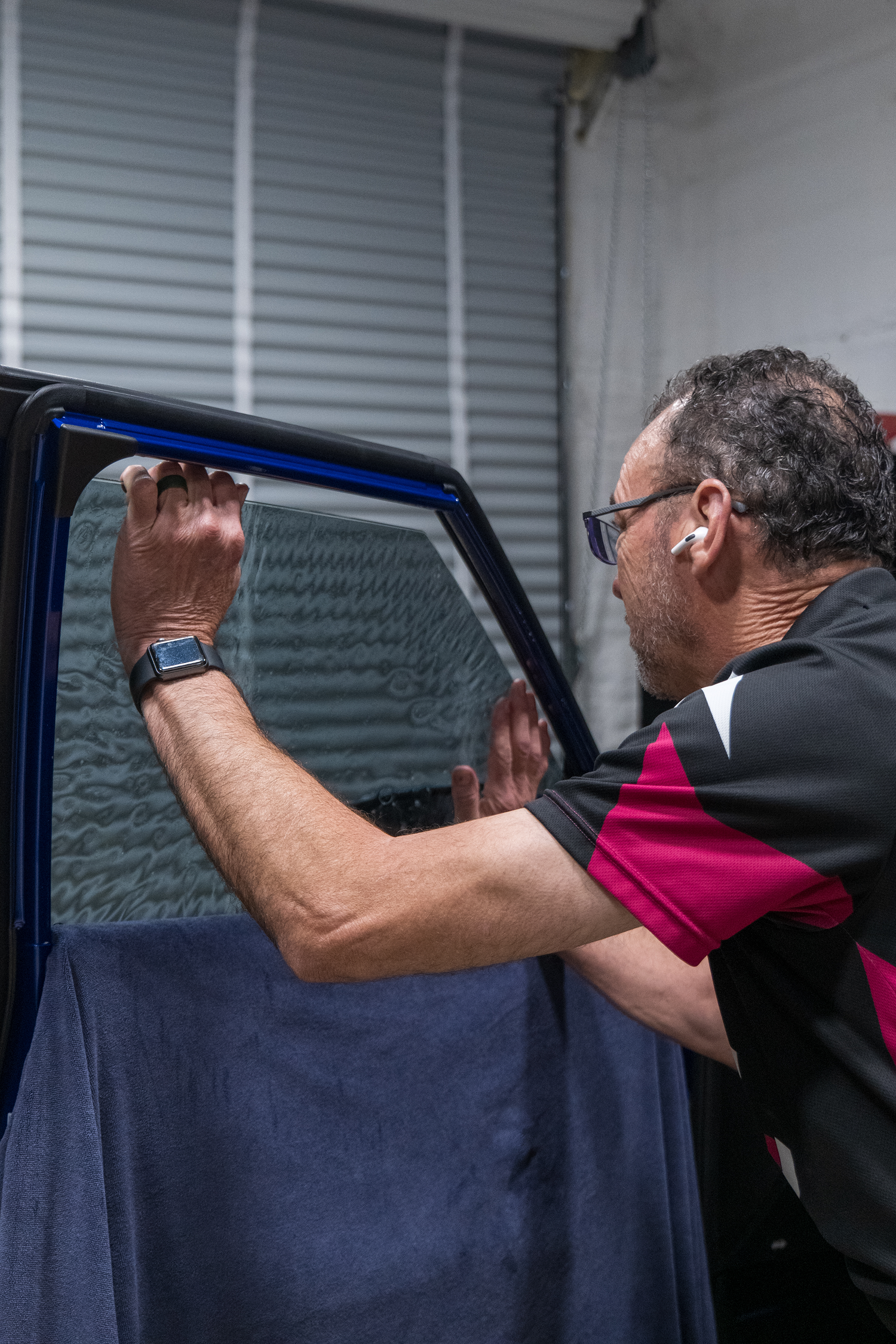
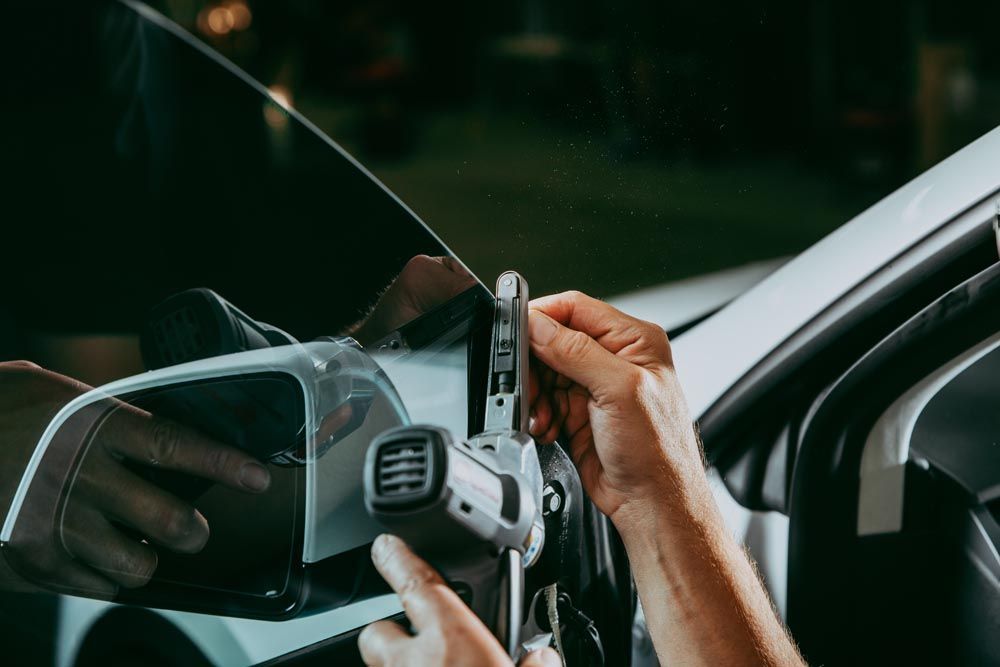
Curved glass is not just a design feature; it is a technical challenge that turns straightforward tinting into a precise craft. Unlike flat glass, the contours of curved surfaces require specialized tools and advanced techniques to apply film seamlessly without distortion. A professional tinter must cut, stretch, and mold the film carefully so it adheres without wrinkles or bubbles. Heat guns, smooth-handling gloves, and contour-specific templates are all essential tools in this process. Professionals have refined their skills to manage these factors simultaneously, ensuring the tint maintains its integrity over time.
When tints are applied by amateurs or using generic methods, problems like peeling edges or uneven color saturation almost inevitably develop as the film struggles to conform to the curves. This affects not only appearance but also the functional benefits tinting provides, such as UV protection and privacy. Poorly installed tint on curved surfaces significantly increases the likelihood of repairs within the first year. Such repairs are both costly and inconvenient, often requiring vehicle owners to return to installers multiple times. This highlights how crucial professional expertise is, not just for immediate visual appeal but for long-term durability.
Professional window tinting installers also understand the importance of selecting high-quality films specifically engineered for curved glass. These films offer enhanced elasticity and adhesive properties designed to withstand the stress of bends without cracking or fading prematurely. For vehicles with uniquely curved windows, such as SUVs or luxury cars with panoramic windshields, investing in professional tinting pays off over time. You avoid frustration and additional expenses while gaining confidence that your vehicle's appearance and comfort are in expert hands.
Tinting Materials and Technology
The type of film used in tinting significantly affects protection, durability, and even your vehicle's electronics. For curved glass vehicles, choosing the right material is especially important due to the complex shapes involved. Three primary tint materials dominate the market: dyed, metalized, and ceramic films.
- Dyed Film: It darkens glass effectively but lacks longevity because the dye can fade or bubble over time. This option may suit those on a budget but falls short in long-term heat rejection and UV protection.
- Metalized Film: It embeds tiny metallic particles within the tint, reflecting heat and blocking ultraviolet rays more effectively than dyed films. However, these metallic particles can cause interference with GPS, Bluetooth, and radio signals. For curved glass surfaces, precise application techniques are also necessary to avoid stress points that could compromise adhesion.
- Ceramic Film: It represents the pinnacle of modern tinting technology. Using non-metallic nano-ceramic particles, these films provide exceptional UV blocking and outstanding heat rejection without causing signal interference. They are highly durable against scratches and offer excellent clarity, which is especially important for curved glass where distortions can easily occur. The tradeoff is cost, as it is a premium product requiring skilled installation.
Recent advances in nano-ceramic technology have further improved automotive tinting. These films conform better to complex glass shapes without wrinkling or bubbling, reduce glare, and resist discoloration far longer than earlier film types, extending the lifespan of your investment.
Step-by-Step Installation Process
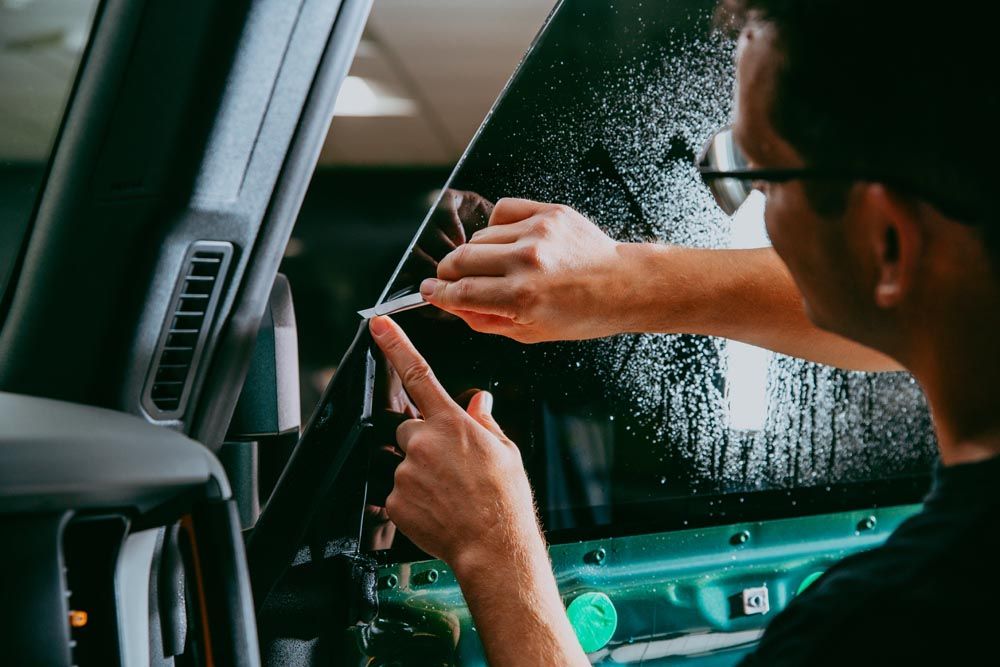
Surface preparation is the foundation of any successful tinting job. Before any film touches the glass, the surface undergoes thorough cleaning to eliminate every trace of dust, grease, or grime. Even microscopic debris can compromise the adhesive bond, causing bubbles or peeling over time. Professional installers use specialized cleaners and lint-free cloths to guarantee a spotless surface. Cutting the tint film demands exactness. Many shops rely on computer-aided design software linked to cutting machines that craft each piece to mirror the unique contours of your vehicle's curved windows. This precision reduces human error, minimizes material waste, and simplifies installation since each piece is tailor-made for its target surface.
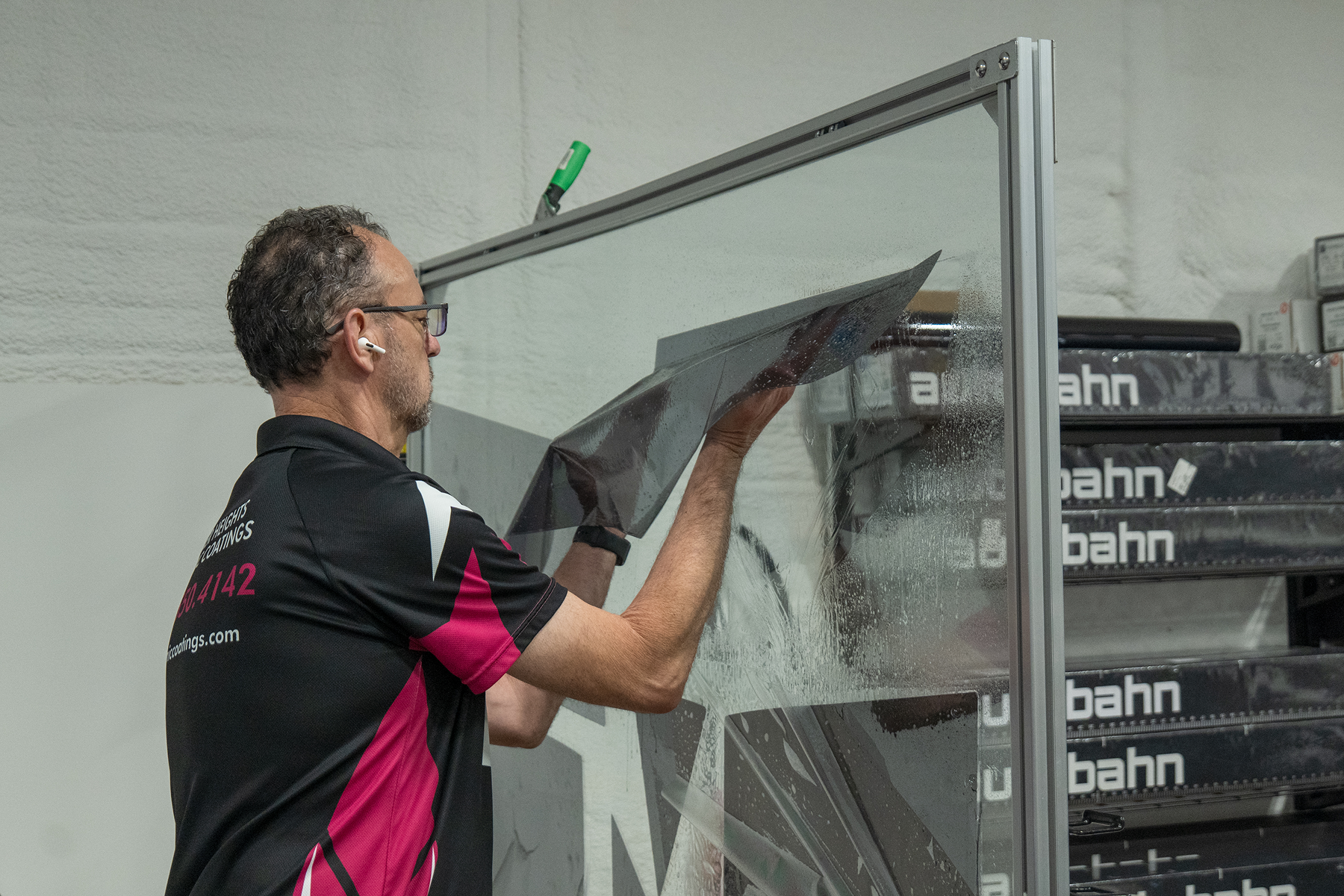
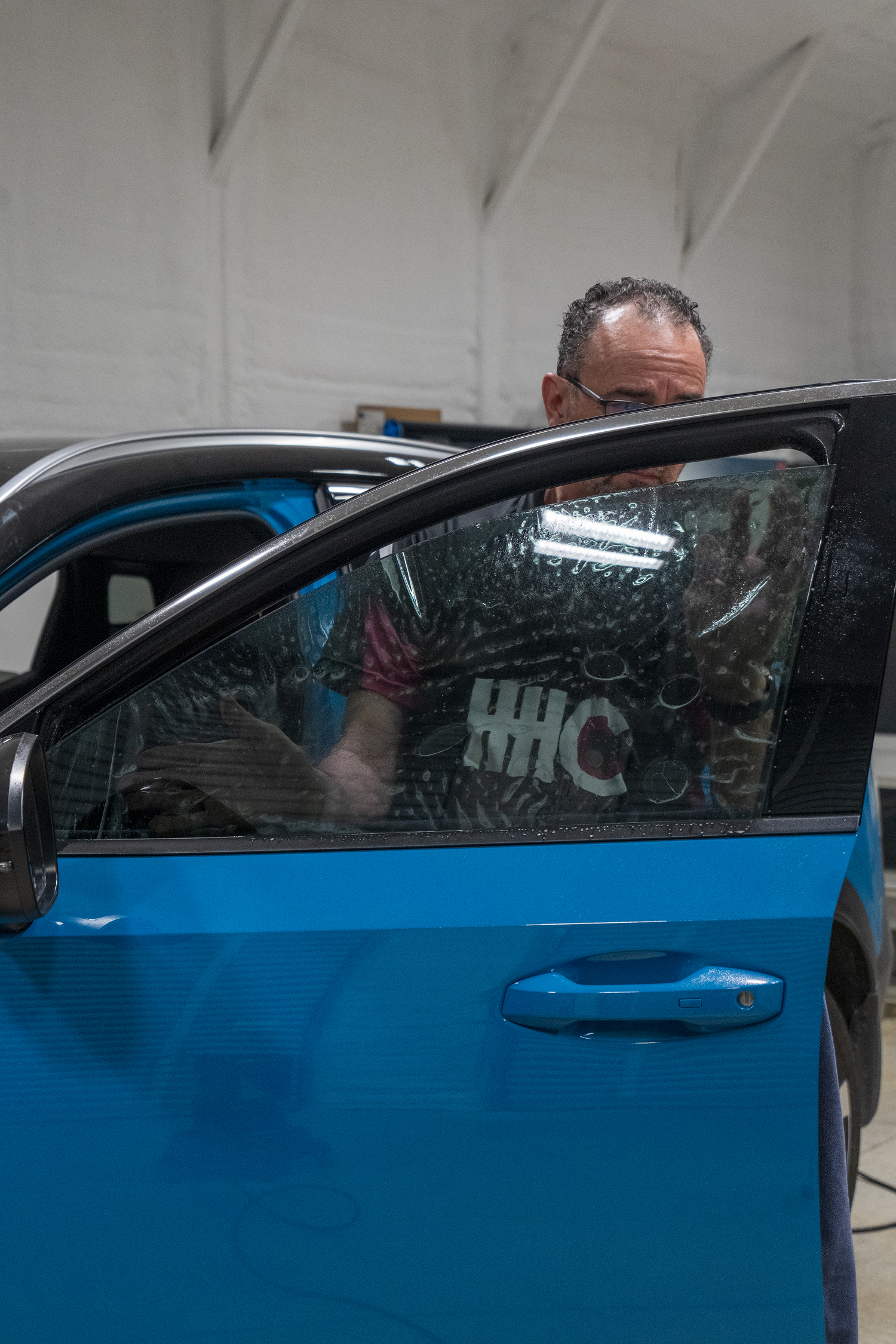
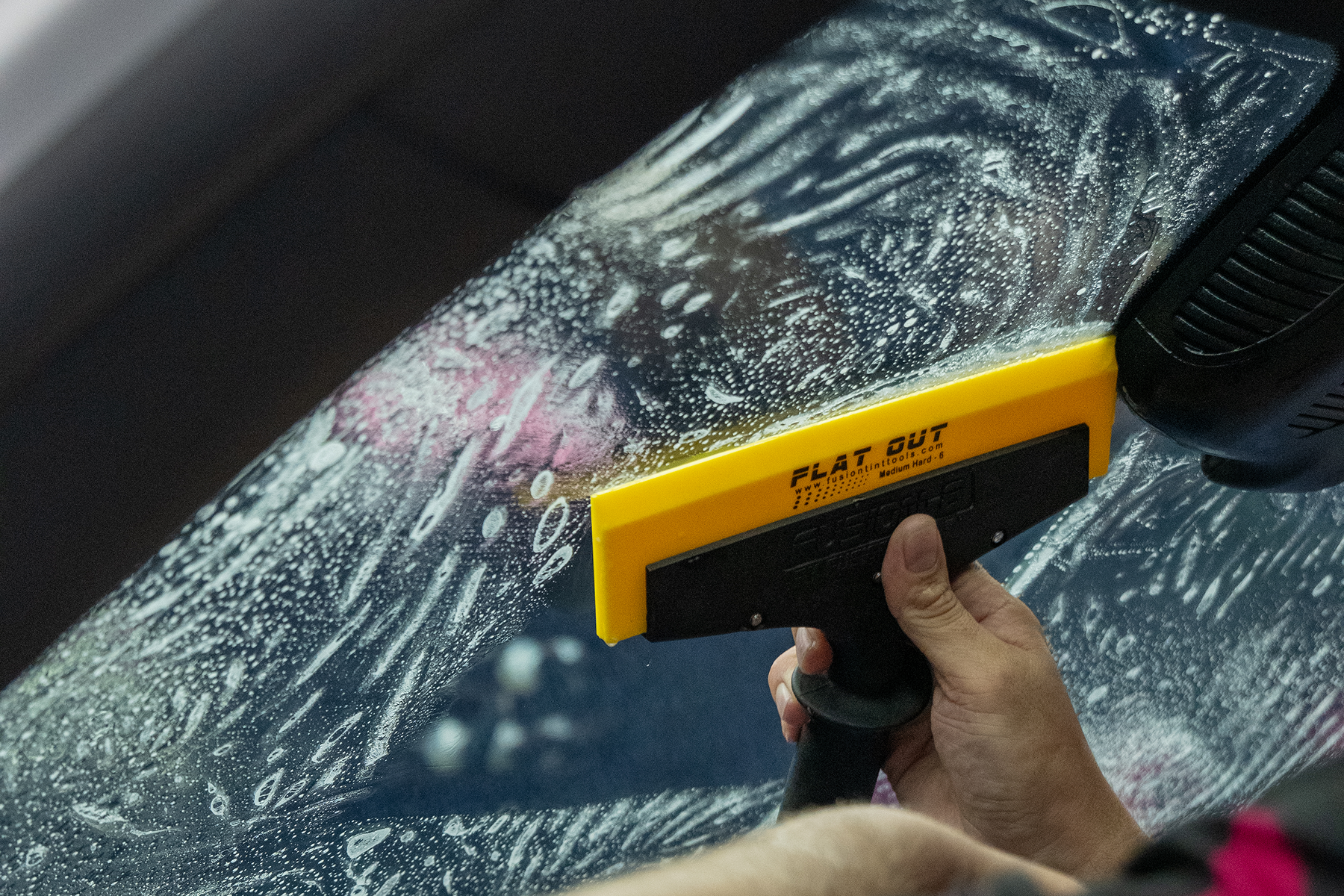
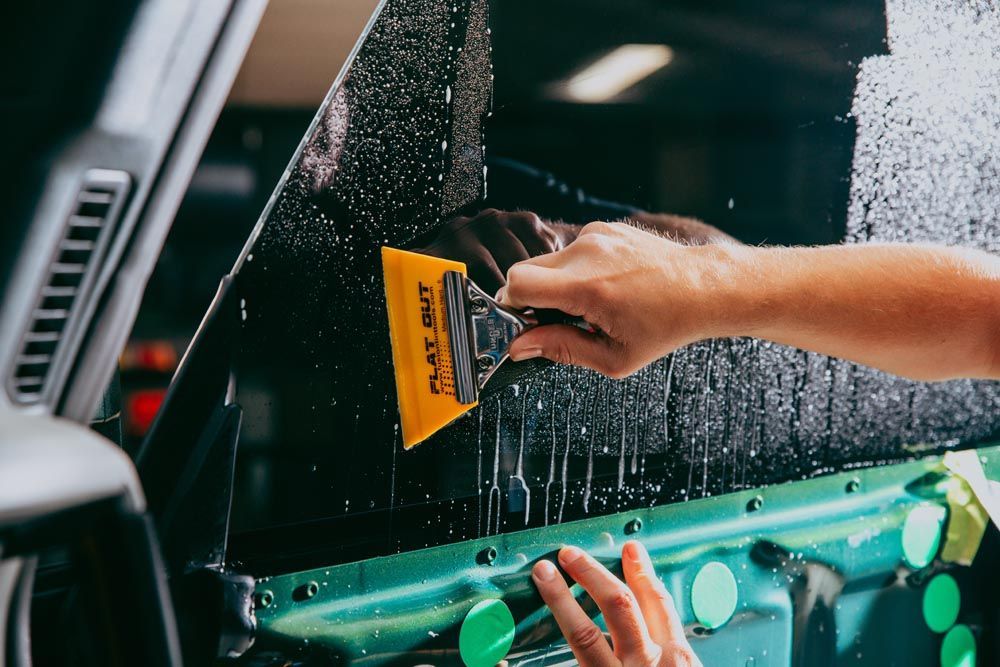
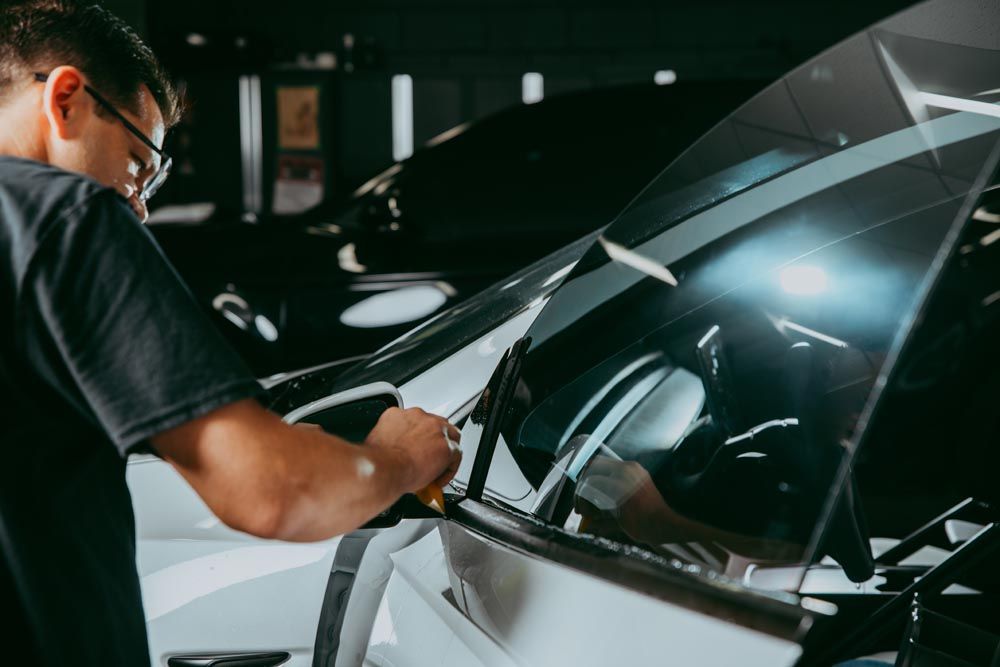
Applying the tint involves both delicacy and technique. The installer applies a soapy water solution to both the glass and the film, acting as a lubricant that allows the film to slide into position. Once aligned, squeegees are used to push out water and air bubbles while smoothing every curve. This phase requires patience, as rushing risks wrinkles that are difficult to correct without removing the film entirely. The final steps involve trimming excess film around window edges and using heat guns to contour the material snugly against curves. Heat treatment is vital because curved glass will not accommodate flat films without tension adjustments. By applying controlled heat while molding the film, professionals ensure a seamless bond that maintains clarity and durability for years.
Key Benefits: UV Protection to Privacy
One of the most compelling reasons vehicle owners choose professional tinting is UV protection. Ultraviolet rays penetrate glass and cause serious damage over time, both to your vehicle's interior and to your skin. High-quality window tints can block a significant percentage of harmful UV radiation, lowering the risk of skin damage and preventing fading or cracking of upholstery. Privacy is another advantage that is often underestimated. Quality tinting lets you see out clearly while making it difficult for others to see inside. This creates a sense of security and control over your personal space while also protecting valuables left in the vehicle.
Professional tinting also plays a significant role in managing your vehicle's climate. By reducing solar heat gain, tinted windows keep the cabin noticeably cooler during hot days. This reduces dependence on air conditioning, which translates to fuel savings and less wear on your vehicle's systems. In regions with intense summers, this is not just a comfort upgrade but a meaningful measure for energy efficiency. Glare reduction is another essential benefit for driving safety. Sunlight reflecting off roads, hoods, or other vehicles creates dangerous visibility challenges. Quality window films cut down on harsh reflections, reducing eye strain and improving visibility under varying light conditions, making every journey safer.
Choosing the Best Tint for Your Vehicle
Selecting the right tint requires balancing budget, privacy needs, climate, and compliance with local regulations. Tinting laws can be specific, dictating allowed darkness levels or limiting reflective properties to ensure driver safety. Checking your local regulations before making a decision helps you avoid fines and the inconvenience of having to redo the job. Budget often guides the initial choice, but opting for the cheapest film available typically means shorter durability and weaker UV protection. Premium films with advanced coatings block more heat and harmful rays while lasting longer, offering better value over time. In hotter climates, ceramic tints are particularly effective because they reject heat without interfering with electronic signals, a common drawback of metalized options. One of the most frequent mistakes vehicle owners make is attempting a DIY installation. While kits may seem cost-effective, inexperienced application commonly results in trapped air bubbles, uneven film, and weakened adhesion over time. Beyond aesthetics, improper application can damage windows or compromise visibility, creating a genuine safety risk.
Another common error is choosing a low-grade tint that fades quickly, develops discoloration, or loses its protective qualities long before it should. This wastes money and leaves your interior and skin exposed to sun damage that a quality product would have prevented. Equally important is avoiding over-tinting beyond legal limits. While darker tints may look appealing, excessive shading seriously compromises nighttime visibility and puts both the driver and other road users at risk. The best approach is to consult a professional installer who understands local tint regulations, recommends appropriate products for your climate and vehicle, and backs their work with a warranty. Experienced professionals ensure the right film is applied correctly the first time, delivering a result that is safe, durable, legal, and visually polished for years to come.
Professional Window Tint for Complex Curved Glass
Curved vehicle windows require careful installation to achieve a smooth finish that performs well over time. At HH Ceramic Coatings, Tint, Paint Protection, we provide
professional window tinting services for drivers in Killeen, TX using high-quality films designed to conform to modern glass contours. Our experienced installers ensure clean edges, reduced interior heat, and strong UV protection while maintaining excellent visibility.
Schedule your window tint installation with us today!