How Long Does Ceramic Coating Really Last? Honest Timeline From a Local Installer
You have been thinking about ceramic coating for your car, and every website you land on promises a slightly different number. Two years. Five years. Ten years. Some products even claim "permanent."
So how long does ceramic coating last for real, on an actual car parked in actual Central Texas sun? Fair question, and honestly, the answer is more useful than the marketing version.
We install coatings all year and see the same cars come back for maintenance and sometimes new applications years later. That gives us a pretty grounded view of what holds up and what does not.
This article walks through the real lifespan by tier, what shortens it, and what keeps a coating performing the way it should. No manufacturer spin. Just what we actually see.
The Short Answer
A quality ceramic coating installed properly and maintained decently will hold up for years. The exact number depends on which product you choose, how the car lives, and how you take care of it after install.
Longer lifespan is not free. Higher-tier products cost more up front. But the trade-off is real protection over a longer window instead of a repeat install every year or two.
What "Lasts" Actually Means
Before we throw around year counts, worth defining terms. Ceramic coating does not vanish overnight when it hits its rated year. It gradually loses its hydrophobic properties, its gloss, and some of its chemical resistance over time.
Think of it more like a runway. A three-year coating starts strong, holds its performance through most of that window, and softens toward the end. A five-year or longer coating has a longer runway before that starts.
When we say a coating "lasts" a certain number of years, we mean the window where it is performing at or near its designed strength. After that, it may still be there, but the water beading and the surface protection are not what they were.
The Tiers We Install
Different coatings have different chemistry and different intended lifespans. What we install ranges from shorter-term entry options up to longer-term systems. The general categories look like this:
- One-year coatings. A good entry point for someone new to ceramic or a car they may not keep long. Solid protection, easy first step, and lower initial spend.
- Two-year and three-year coatings. The sweet spot for a lot of daily drivers. Longer lifespan, better hydrophobic performance, more forgiving of missed maintenance.
- Five-year coatings. For owners who intend to hold the car for a while and want the coating to keep pace. More durable chemistry, higher initial investment, longer window before you have to think about it again.
- Ten-year coatings. The longest-lasting option we install. Built for owners who want maximum runway on a car they intend to hold onto.
Every tier has real-world performance behind it, but the higher-tier coatings hold their properties longer under the conditions our cars actually face here.
You can see the specific options on our ceramic coating page.
What Actually Shortens the Lifespan
This is the part manufacturers do not spend much time on. Real-world conditions shorten coating life. Here is what we see in our shop.
Heat and UV
Central Texas heat is rough on paint, and it is rough on coatings too. A car that lives outside in triple-digit summers takes a lot more abuse than one parked in cooler regions. UV is constant, temperatures cycle hard, and the surface takes a beating.
A garaged car in our area might get near the top of the rated lifespan. A car that lives outside probably lands somewhere shorter. Both are still years of protection, but the delta is real.
Washing Habits
How you wash your car matters as much as the coating itself. Automatic car washes with harsh brushes shorten the life of any coating fast. Aggressive detergents strip the hydrophobic layer prematurely. Poor drying leaves marks that build up over time.
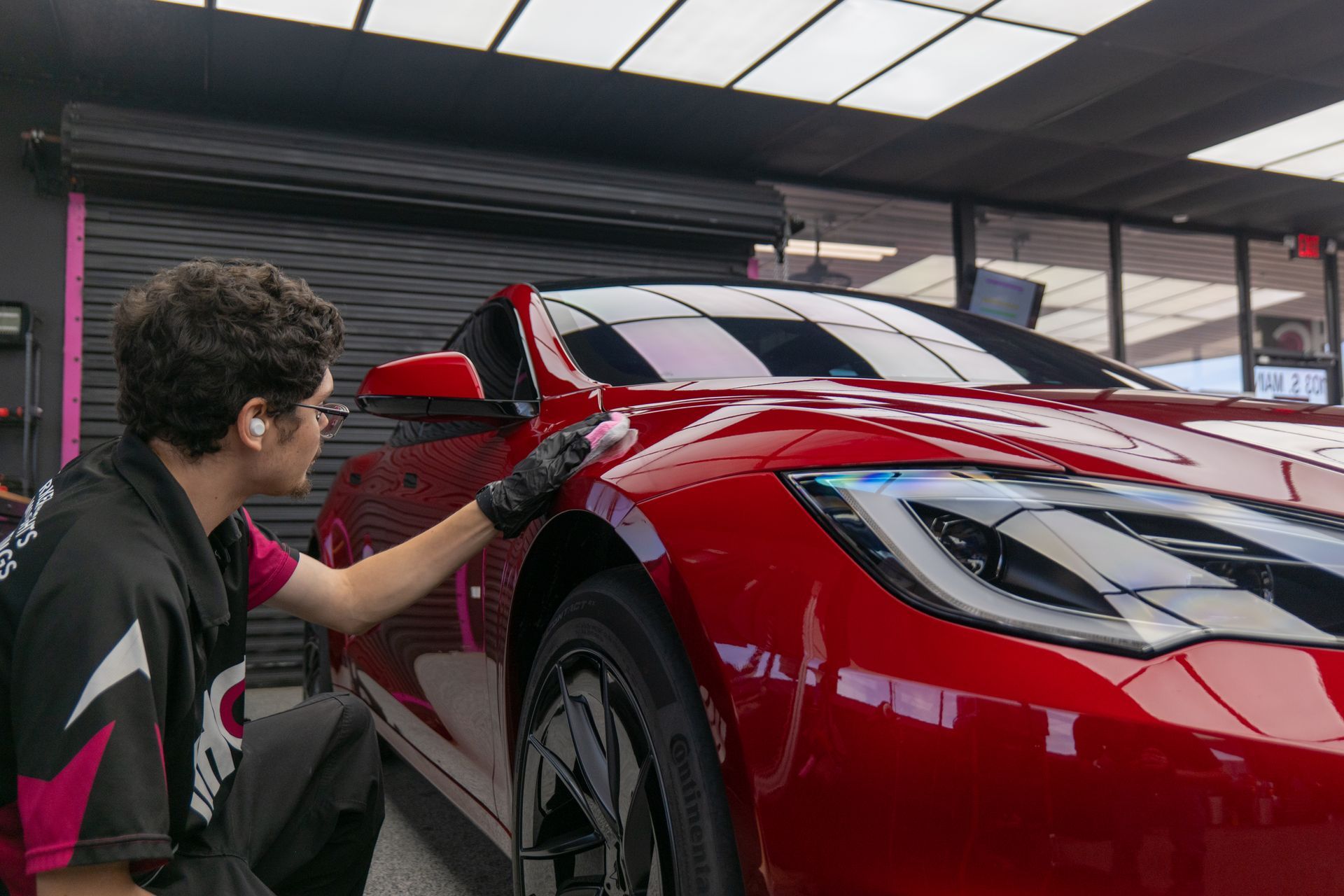
The right way to wash a coated car is the two-bucket method with a soft mitt and a pH-neutral shampoo. It is not complicated once you get the routine down, and it makes a huge difference in how long the coating performs.
Environmental Exposure
Contamination like bird droppings, tree sap, and road grime is rough on paint and rough on ceramic too. The coating helps neutralize the acid, but leaving buildup sitting on the surface for days at a time still degrades the top layer over time.
Quick cleanup after visible contamination is one of the easiest ways to extend the life of any coating.
Missing Maintenance Washes
Coatings do best with regular gentle washing. Skip the washes for months at a time and grime builds up. The hydrophobic layer works harder, wears faster, and does not recover the same way once it slips.
A coating that gets washed regularly outlasts the same coating on a car that goes unwashed for long stretches.
What Maintenance Actually Looks Like
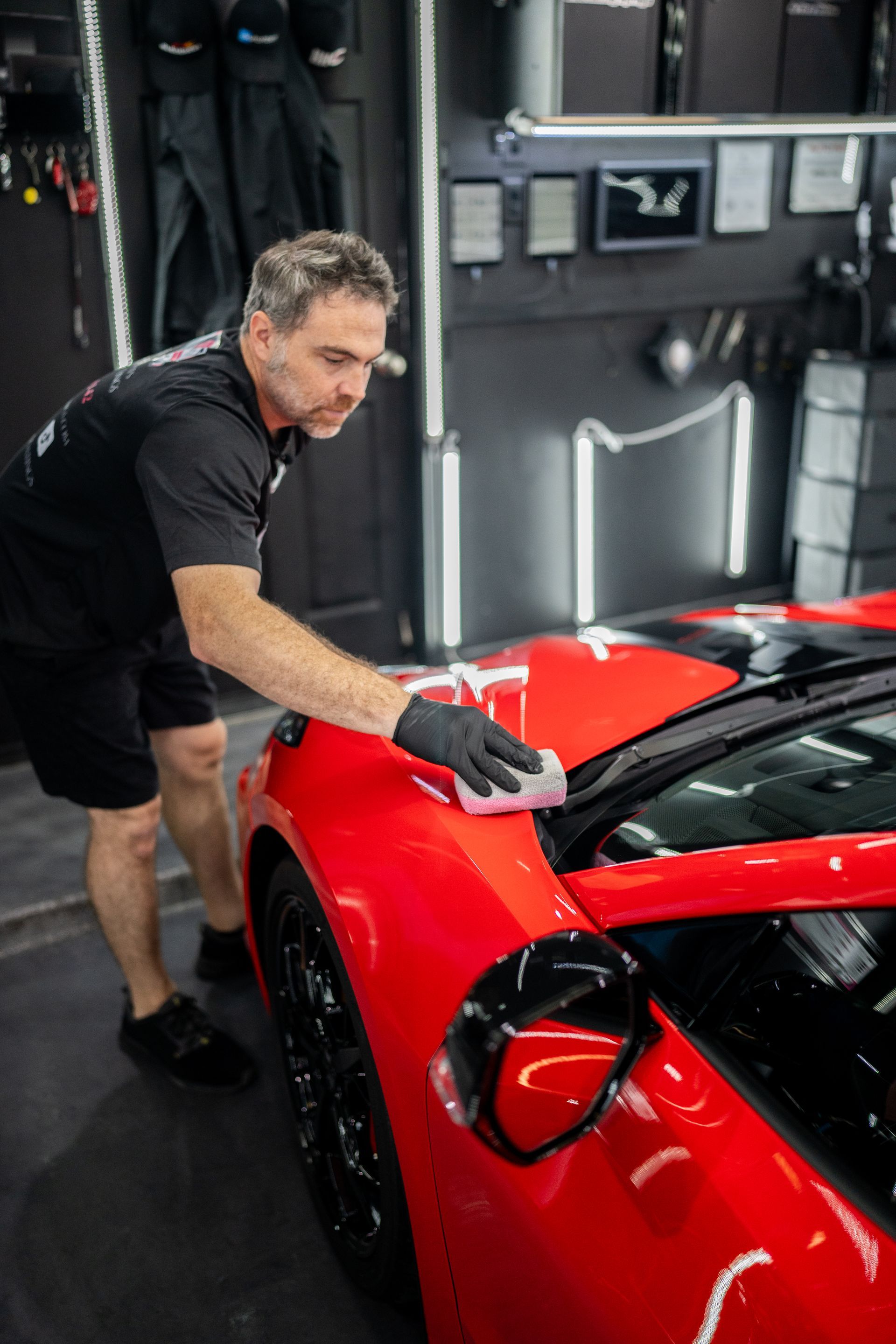
We tell every customer the same thing at handoff. Ceramic is not zero-maintenance. It is lower-maintenance than wax, but it still needs care to hit the lifespan you paid for.
Reasonable maintenance for a coated car looks like:
- Gentle washes on a regular schedule
- Prompt cleanup of bird droppings, sap, or fallout
- Occasional decontamination when the surface stops beading right
- A refresh product or topper as the coating ages
We can walk through the specific maintenance routine that fits your coating tier when you come in. The routine is not hard, but knowing it upfront makes the difference between a coating hitting its rated window and one that quits early.
Why Some Coatings Fail Early
Sometimes a coating does not make it close to its rated year count. When we see that, it is almost always one of a few things.
- The install prep was rushed. If the surface was not properly decontaminated before application, the coating never bonded the way it should. Rushed prep is a leading cause of underperforming coatings.
- Wrong product for the car's use. A one-year entry coating on a car that lives outside in Central Texas sun will not stretch to two years. The right product for the situation matters.
- Zero maintenance after install. No washing, harsh commercial car washes, or letting contamination sit for weeks.
- DIY application without the right prep. Consumer-grade DIY products applied without proper surface prep almost never hit the promised lifespan.
Real install with real product and reasonable care is how you actually get the years of protection the coating is designed for.
Stop By and We Can Help You Pick the Right Tier
The right coating tier depends on your car, your parking situation, how you drive, and how long you intend to hold onto it. We are happy to walk you through the options and talk about what fits.
Reach out through the contact page, or check the Harker Heights Ceramic Coatings home page. For Corvette owners specifically, our Corvette C8 page has more detail. BMW owners can see the BMW M-series page.
Frequently Asked Questions
Do ceramic coatings actually last their rated year count?
Under reasonable conditions and with reasonable maintenance, yes. The rated year is the design target. Real-world performance depends heavily on how the car lives and how it is cared for.
A garaged, well-maintained car often hits the top of the rated window. A car that lives outside in rough conditions with no maintenance may fall short. Both are still years of protection above what wax would give you.
What is the difference between a one-year and a five-year coating in practice?
The one-year product is a good entry into ceramic. It gives you real UV and chemical protection for that window, then needs re-application.
The five-year product uses different chemistry designed to hold up longer under harder use. It costs more up front but stretches the reapplication interval way out. For someone who is holding onto the car for a while, that math often works out in favor of the longer-life coating.
Can I extend the life of my existing coating?
Yes, and this is worth knowing about. As a coating starts aging, specialty toppers and refresh products can add life to what is already there. We can advise on when a topper makes sense versus when it is time to strip and reapply the base coating. Regular gentle washing and prompt contamination removal are also huge factors in stretching the lifespan without needing a topper.
Should I apply the coating myself to save money?
We do not think that is a good move for most people. Ceramic requires prep and application in controlled conditions.
DIY consumer products often skip the prep steps that actually determine how long the coating lasts. What ends up saving money on paper often costs more in early failure and reapplication. Professional installation is where you actually get the lifespan the product is designed for.
How do I know when my coating is done?
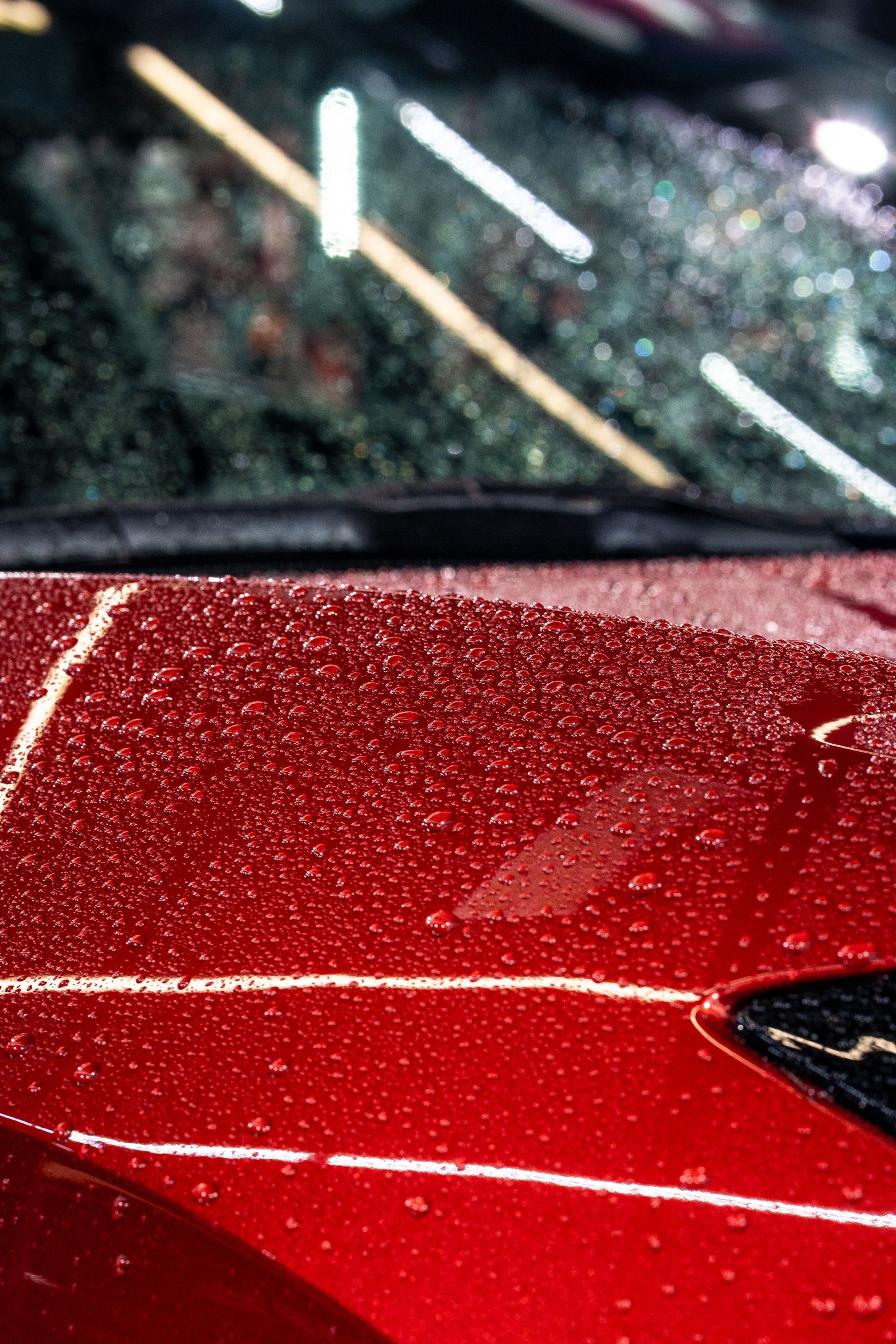
The clearest sign is water behavior. When a coating is performing, water beads up and rolls off. When it starts sheeting, or when the beads flatten out, the hydrophobic layer is on its way out.
Loss of gloss is another sign. When either shows up, come by, and we can look at whether it is time for a topper or a fresh install.